If your plants are struggling despite proper watering and sunlight, the issue often lies beneath the surface—the growing medium. Choosing the right Growing Medium for Plants can completely transform your gardening results, especially for home gardeners who want healthier roots, better growth, and long-term soil health.
Let’s simplify everything you need to know so you can confidently choose the best option for your plants.
What Is a Growing Medium for Plants and Why Does It Matter?
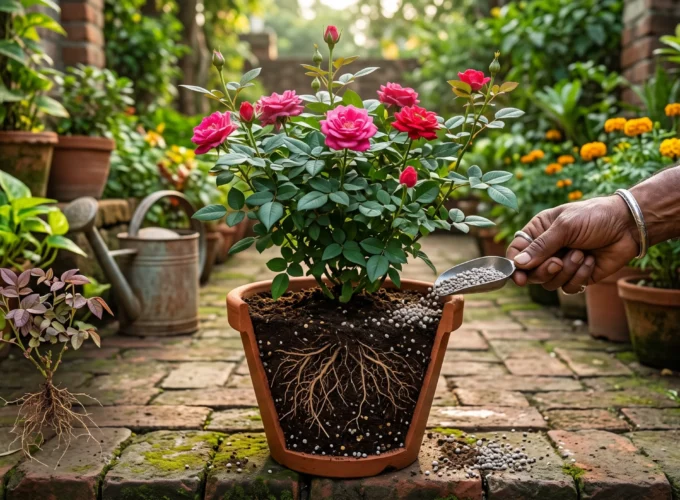
A Growing Medium for Plants is the material in which plants grow. It supports roots, holds moisture, provides aeration, and helps deliver nutrients.
Unlike traditional garden soil, a well-balanced soil growing media is designed to:
- Improve root development
- Maintain the right moisture level
- Ensure proper air circulation
- Support healthy microbial activity
👉 In simple terms: your plant’s growth depends heavily on what it’s rooted in.
Why Is Your Growing Medium So Important for Plant Health?
If you’ve ever wondered:
- Why is my plant not growing properly?
- Why do roots rot even with less watering?
- Why does soil dry too fast or stay too wet?
The answer is often the wrong growing medium.
A poor medium can:
- Block oxygen to the roots
- Retain too much or too little water
- Limit nutrient absorption
On the other hand, the right Growing Medium for Plants creates the perfect balance of air, water, and nutrients.
What Are the Different Types of Growing Media for Plants?
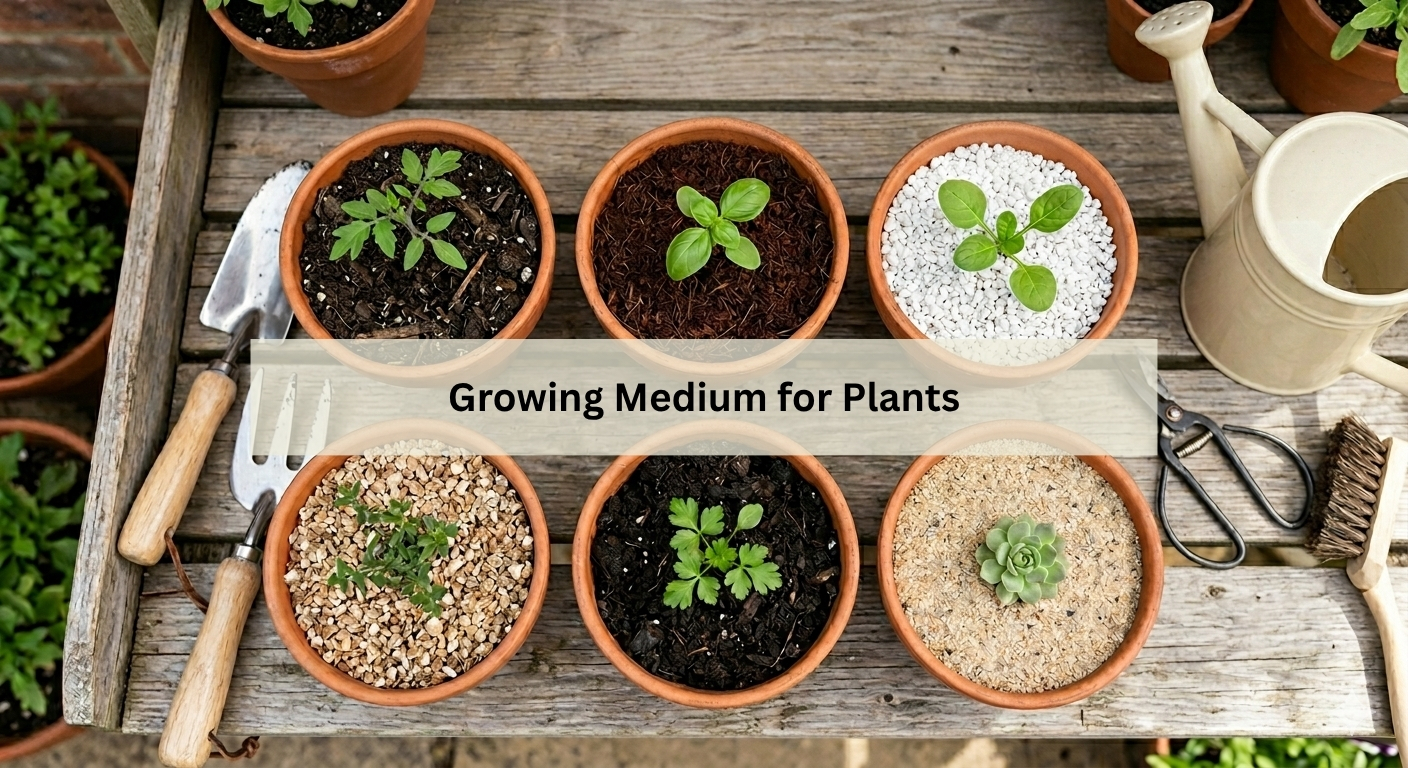
Choosing the right type depends on your plant and gardening style. Here are the most commonly used options you’ll also find in quality soil growing media categories:
Coco Peat (Coir)
- Excellent water retention
- Lightweight and eco-friendly
- Ideal for indoor plants and seed starting
Vermicompost Fertilizer
- Rich in nutrients and beneficial microbes
- Improves soil fertility naturally
- Works as both a fertilizer and a growing medium enhancer
Potting Mix
- Pre-balanced blend of organic materials
- Ready to use for home gardening
- Great for balcony and container plants
Perlite
- Improves drainage and aeration
- Prevents soil compaction
- Best for plants sensitive to overwatering
Vermiculite
- Organic and nutrient-rich
- Enhances long-term soil health
- Ideal for vegetables and flowering plants
These types are often combined to create the perfect Growing Medium for Plants based on plant needs.
How to Choose the Right Growing Medium for Plants at Home?
This is where most gardeners get confused—but it’s simpler than it seems.
1. What Type of Plants Are You Growing?
Different plants = different needs:
- Indoor plants → light, well-draining medium
- Vegetables → nutrient-rich mix
- Succulents → fast-draining medium
Choosing the right growing medium based on plant type is the first step.
2. Does It Have Good Drainage and Aeration?
A good Growing Medium for Plants should:
- Drain excess water easily
- Allow roots to breathe
- Prevent waterlogging
If your soil stays wet for too long, it’s time to upgrade your soil growing media.
3. Is It Organic and Safe?
Many gardeners now prefer organic options because they:
- Improve soil health naturally
- Are safe for edible plants
- Support sustainable gardening
Look for natural ingredients like coco peat, compost, and vermicompost.
4. Is It Easy to Use for Home Gardening?
Convenience matters.
Choose a growing medium that is:
- Ready to use
- Lightweight
- Easy to mix and handle
This is especially helpful for terrace or balcony gardening.
Which Growing Medium Is Best for Indoor Plants?
Indoor plants need a balance of moisture and airflow.
👉 The best Growing Medium for Plants indoors usually includes:
- Coco peat (for moisture retention)
- Perlite (for drainage)
- Compost (for nutrients)
This combination prevents root rot while supporting steady growth.
What Is the Best Growing Medium for Vegetable Plants?
Vegetables need nutrient-rich support.
A good mix includes:
- Compost or vermicompost
- Coco peat
- Garden soil or potting mix
This type of soil growing media ensures:
- Strong root development
- Better yield
- Healthy plant growth
Can You Use Only Soil as a Growing Medium?
This is a very common question.
👉 Technically yes—but it’s not ideal.
Regular soil:
- Compacts over time
- Lacks proper aeration
- May not retain nutrients effectively
That’s why mixing or upgrading to a proper Growing Medium for Plants gives much better results.
How Often Should You Change or Improve Your Growing Medium?
Over time, even the best growing medium loses its effectiveness.
Here’s a simple guide:
- Indoor plants → refresh every 6–12 months
- Outdoor pots → improve every growing season
- Vegetables → replace after each crop cycle
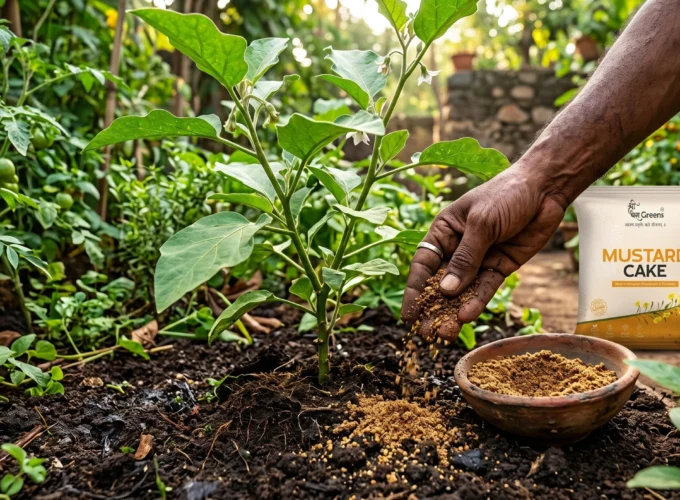
Adding fresh compost or vermicompost helps maintain soil quality.
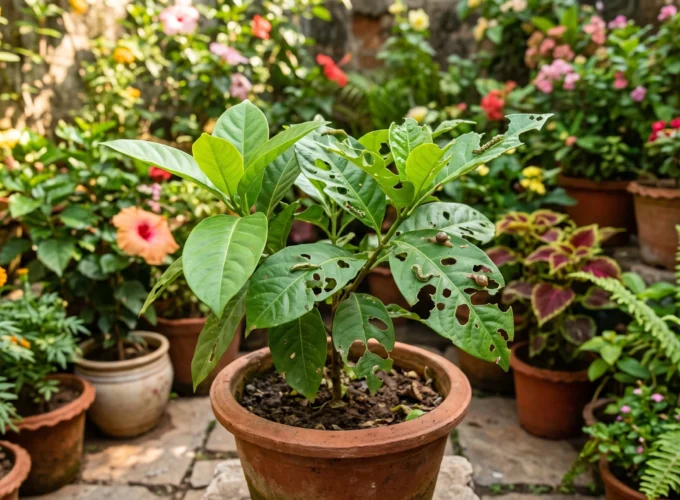
What Are the Signs You’re Using the Wrong Growing Medium?
Watch out for these signs:
- Slow or stunted growth
- Yellowing leaves
- Water sitting on top of the soil
- Roots rotting or smelling
If you notice these, your current Growing Medium for Plants may need improvement or replacement.
Where to Find the Best Soil Growing Media for Home Gardening?
Instead of experimenting with random mixes, it’s better to choose reliable, ready-made solutions designed for different plant needs.
At Shridhara Greens, you’ll find carefully curated soil growing media options like coco peat, vermicompost, and potting mixes that are designed for healthy plant growth and ease of use in home gardening.
This also makes it easier to internally link specific products based on plant types within your blog.
A Simple Way to Get Better Gardening Results
Choosing the right Growing Medium for Plants is one of the easiest ways to improve plant health without complicated techniques.
Focus on:
- The right mix for your plant type
- Good drainage and aeration
- Organic, nutrient-rich ingredients
Once your base is right, everything else—watering, fertilizing, and growth—becomes much easier.
A healthy growing medium isn’t just soil—it’s the foundation of successful gardening.