
Buying fertilizer online sounds simple—until you’re staring at dozens of options like organic, NPK ratios, liquid feed, slow-release, and more. If you’ve ever wondered, “Which fertilizer is actually right for my plants?”, you’re not alone.
Let’s break it down in a simple, practical way so you can confidently choose the best fertilizer online—without wasting money or harming your plants. And yes, we’ll keep it easy, natural, and actually useful.
Why Choosing the Right Fertilizer Online Matters More Than You Think
Plants don’t just need water and sunlight—they need proper nutrition. The wrong fertilizer can lead to weak growth, burnt roots, or even dead plants.
When you shop online, you don’t get a gardener standing next to you explaining things. That’s why Shridhara Greens becomes helpful—we simplify choices with quality products designed for different plant needs.
What Are the Main Types of Fertilizers Available Online?
When browsing fertilizers online, you’ll mostly come across three main types:
1. Organic Fertilizers
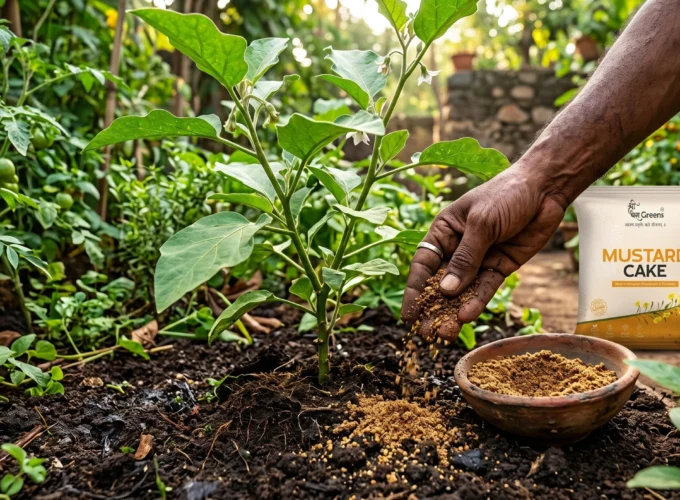
These are made from natural sources like compost, manure, or plant extracts.
- Improve soil health over time
- Safe for indoor plants and kitchen gardens
- Slow but steady results
Best for: Home gardeners, beginners, organic growers
2. Chemical (Synthetic) Fertilizers
These are lab-made and designed for quick nutrient delivery.
- Fast results
- Precise nutrient control
- Can damage plants if overused
Best for: Fast growth needs, experienced gardeners
3. Liquid vs Granular Fertilizers
- Liquid fertilizers: Quick absorption, ideal for an instant boost
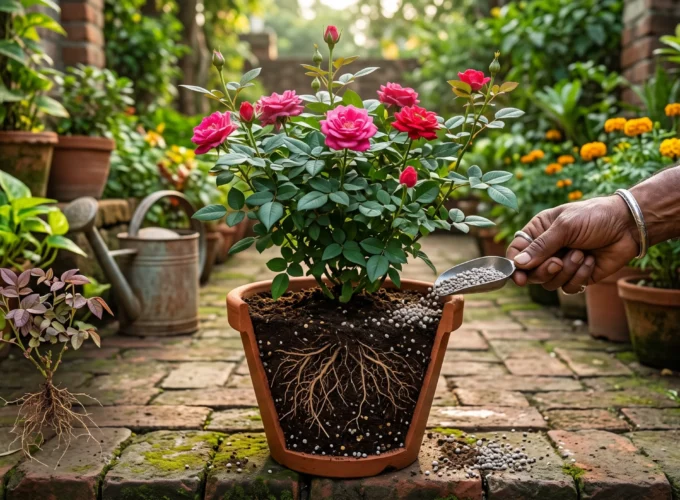
- Granular fertilizers: Slow-release, long-term feeding
How Do I Know Which Fertilizer My Plants Need?
This is one of the most searched questions—and the answer is simpler than you think.
Check Your Plant Type First
Different plants = different needs:
- Flowering plants → Need more phosphorus
- Leafy plants → Need more nitrogen
- Fruiting plants → Need balanced nutrients
If you’re unsure, a balanced fertilizer (like 10-10-10) is a safe starting point.
What Does NPK Mean in Fertilizers and Why Should You Care?
You’ll often see numbers like 10-10-10 or 19-19-19. This is the NPK ratio:
- N (Nitrogen) → Leaf growth
- P (Phosphorus) → Roots & flowers
- K (Potassium) → Overall plant health
Example:
- 19-19-19 = Balanced growth
- High nitrogen = lush green leaves
- High phosphorus = more flowers
When shopping on Shridhara Greens, you’ll usually find these ratios clearly mentioned, making selection easier.
Is Organic Fertilizer Better Than Chemical Fertilizer?
This depends on your goal.
- Want long-term soil health? → Go organic
- Need quick visible growth? → Choose a chemical
- Want the best of both? → Combine both carefully
Most home gardeners today prefer organic fertilizers because they’re safe, sustainable, and beginner-friendly.
How to Choose Fertilizer Online Based on Your Plant Type
Let’s make this super practical:
For Indoor Plants
- Liquid fertilizers work best
- Mild concentration to avoid root burn
For Flowering Plants
- Look for high-phosphorus fertilizers
- Helps in better blooming
For Vegetable Plants
- Balanced NPK fertilizers
- Organic compost-based options work great
For Succulents & Cacti
- Low nitrogen fertilizers
- Overfeeding can harm them
How Do I Avoid Buying the Wrong Fertilizer Online?
This is where most people make mistakes. Keep these simple tips in mind:
1. Always Read the Product Description
Check:
- NPK ratio
- Suitable plant types
- Usage instructions
2. Check Reviews and Ratings
Real user feedback helps you avoid poor-quality products.
3. Avoid Overly Cheap Products
Extremely low prices often mean low quality or diluted formulas.
4. Choose Trusted Brands
Shridhara Greens ensures quality, proper labeling, and plant-safe products.
How Often Should I Use Fertilizer for My Plants?
Another common question people search for.
- Indoor plants → Every 2–4 weeks
- Outdoor plants → Every 2–3 weeks
- Liquid fertilizers → More frequent, but diluted
- Granular fertilizers → Less frequent, slow release
Over-fertilizing is worse than under-fertilizing. When in doubt, use less.
Can Too Much Fertilizer Damage Plants?
Yes—and this happens more often than you think.
Signs of over-fertilizing:
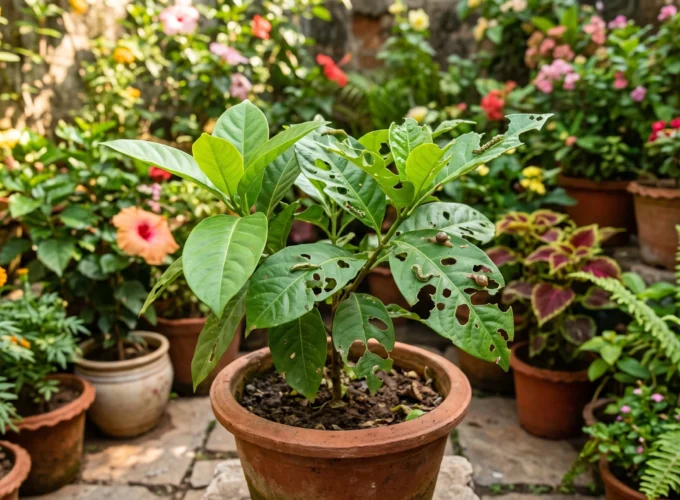
- Yellow or burnt leaves
- White salt buildup on the soil
- Slow or stunted growth
If this happens:
- Flush soil with water
- Stop fertilizing temporarily
What Should Beginners Look for When Buying Fertilizer Online?
If you’re just starting, keep it simple:
- Choose a balanced liquid fertilizer
- Go for organic options
- Follow instructions strictly
- Start with small quantities
Is Buying Fertilizer Online Better Than Offline?
Honestly, yes—if you choose wisely.
Benefits of buying online:
- Wider variety
- Easy comparison
- Home delivery
- Access to expert-recommended products
Just make sure you’re buying from a trusted source to avoid fake or low-quality products.
Smart Tips to Get the Best Results from Your Fertilizer
- Always water plants before applying fertilizer
- Never apply in direct sunlight
- Follow dosage instructions carefully
- Use the right fertilizer for the right plant
Consistency matters more than quantity.
Conclusion: Choosing Fertilizer Doesn’t Have to Be Complicated
At first, fertilizers may seem confusing—but once you understand the basics like plant type, NPK ratio, and application method, everything becomes much easier.
If you’re still unsure, start simple. A balanced, organic fertilizer from Shridhara Greens is always a safe and effective choice.
Your plants don’t need perfection—they just need the right care, at the right time.