Healthy plants always begin with healthy soil. Whether you are growing vegetables, flowering plants, herbs, indoor plants, or terrace garden plants, proper nutrition plays a major role in plant growth and overall health.
This is where organic fertilizers become extremely important.
Today, more gardeners across India are switching to organic fertilizers because they improve plant growth naturally without harming soil quality. Unlike synthetic chemical fertilizers that mainly provide quick nutrients, organic fertilizers nourish both the plant and the soil over time.
But many gardeners still ask:
How does organic fertilizer actually affect plant growth?
The answer is simple:
Organic fertilizers improve plant growth by enhancing soil fertility, supporting root development, increasing microbial activity, and providing balanced nutrients gradually.
As a result, plants often grow:
- Stronger
- Greener
- Healthier
- More resistant to stress
In this detailed guide, you will learn:
- What organic fertilizer is
- How it supports plant growth
- Why does it improve soil health
- Organic fertilizer benefits
- Common types of organic fertilizers
- Why Indian gardeners prefer organic gardening
For premium organic fertilizers and gardening products, visit Shridhara Greens and explore the specialized Organic Fertilizers Collection.
What Is Organic Fertilizer?
Organic fertilizer is a natural plant nutrition source made from organic materials. Common types of organic fertilizers in India include:
- Vermicompost: Earthworm castings rich in humic acids and microbes.
- Cow Dung Manure (Gobar Ki Khaad): The traditional, aged favorite for macro-nutrients.
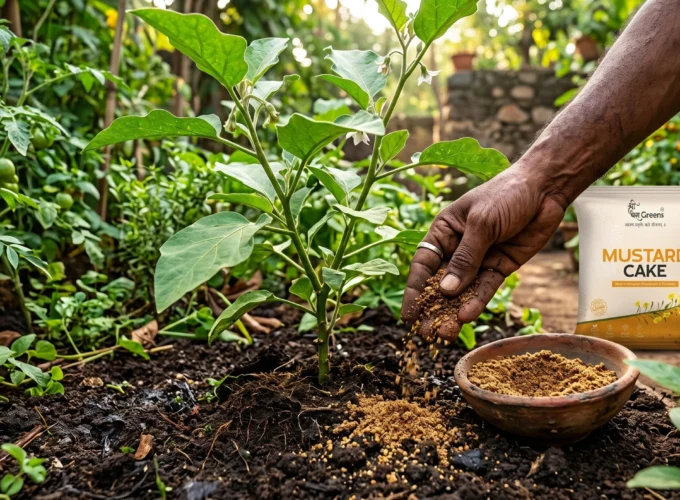
- Mustard Cake (Sarso ki Khali): Excellent for flowering plants like hibiscus and roses.
- Bone Meal & Blood Meal: Natural sources of phosphorus and nitrogen.
- Neem Cake Power: A dual-action fertilizer and pest repellent.
These fertilizers improve plant growth naturally while supporting long-term soil health.
Unlike chemical fertilizers, organic fertilizers release nutrients slowly and improve the biological activity inside the soil.
How Organic Fertilizer Helps Plant Growth
1. Improves Soil Fertility
One of the biggest advantages of organic fertilizer is improved soil fertility.
Organic matter enriches the soil with:
- Essential nutrients
- Beneficial microorganisms
- Organic carbon
Healthy soil creates a stronger foundation for plant growth.
Over time, organic fertilizers improve:
- Soil structure
- Water retention
- Nutrient availability
- Root health
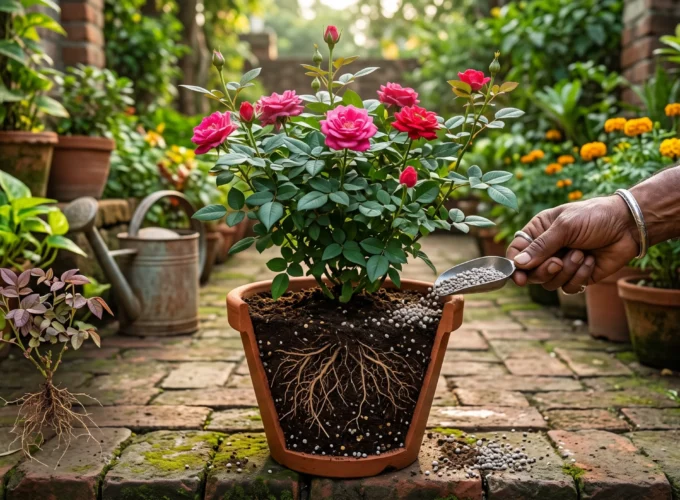
2. Encourages Strong Root Development
Healthy roots are essential for healthy plants.
Organic fertilizers improve root growth by:
- Loosening soil structure
- Increasing oxygen availability
- Supporting microbial activity
Stronger roots absorb:
- Water more efficiently
- Nutrients more effectively
- Minerals more consistently
This leads to healthier and faster-growing plants.
3. Provides Slow and Balanced Nutrition
Chemical fertilizers often release nutrients very quickly.
Organic fertilizers release nutrients gradually through natural decomposition.
This slow-release process helps:
- Prevent nutrient shock
- Reduce fertilizer burn risk
- Support steady plant growth
- Improve long-term plant health
Plants receive balanced nutrition over a longer period.
4. Increases Microbial Activity in Soil
Healthy soil contains beneficial microorganisms that support plant growth.
Organic fertilizers feed these microbes naturally.
Microbial activity helps:
- Break down nutrients
- Improve nutrient absorption
- Increase soil fertility
- Support root protection
Living soil creates healthier plants naturally.
5. Improves Water Retention
Organic matter helps soil hold moisture more effectively.
This is especially useful during:
- Indian summers
- Terrace gardening
- Container gardening
Better moisture retention helps plants:
- Stay hydrated longer
- Reduce stress
- Grow more consistently
6. Supports Better Flowering and Fruiting
Plants need balanced nutrition for flowering and fruit development.
Organic fertilizers help improve:
- Flower quality
- Fruit size
- Flower retention
- Overall plant productivity
Many gardeners notice healthier blooms and better fruit yield with regular organic feeding.
7. Reduces Soil Damage
Excessive chemical fertilizer use may:
- Damage soil biology
- Increase salt buildup
- Reduce long-term fertility
Organic fertilizers improve soil naturally without harming beneficial organisms.
This makes them ideal for sustainable gardening.
Why Organic Fertilizers Work Slowly
Many gardeners expect instant results after fertilizing plants.
However, organic fertilizers work gradually because they depend on:
- Soil microbes
- Moisture
- Natural decomposition
The nutrients become available slowly over time.
Although results may appear slower initially, plants usually become healthier and stronger in the long run.
How Organic Fertilizer Affects Different Plants
Organic fertilizers work well for:
- Indoor plants
- Vegetable plants
- Flowering plants
- Fruit plants
- Herbs
- Terrace garden plants
- Nursery plants
Because organic fertilizers improve overall soil health, they support balanced growth across many plant varieties.
Benefits of Organic Fertilizer for Terrace Gardening
Terrace gardening is growing rapidly across Indian cities.
Container-grown plants often face:
- Limited root space
- Heat stress
- Faster moisture loss
Organic fertilizers help terrace gardens by:
- Improving moisture retention
- Supporting root health
- Reducing nutrient stress
- Improving soil structure
This helps plants survive better in urban conditions.
Organic Fertilizer vs Chemical Fertilizer
| Organic Fertilizer | Chemical Fertilizer |
| Slow nutrient release | Fast nutrient release |
| Improves soil health | May reduce soil quality over time |
| Supports microbes | Limited microbial support |
| Lower burn risk | Higher burn risk |
| Long-term fertility improvement | Short-term nutrient boost |
Signs Plants Benefit from Organic Fertilizers
Healthy plant responses include:
- Greener leaves
- Better flowering
- Stronger stems
- Improved root systems
- Faster recovery from stress
- Better fruit production
Results usually become visible gradually.
Common Mistakes While Using Organic Fertilizers
Overusing Organic Fertilizers
Even organic fertilizers should be used in balanced amounts.
Ignoring Soil Drainage
Poor drainage may reduce nutrient absorption.
Expecting Instant Growth
Organic fertilizers improve plants naturally over time.
Using Poor-Quality Compost
Low-quality compost may affect plant health negatively.
Why Indian Gardeners Prefer Organic Fertilizers
Organic gardening is becoming increasingly popular in India because gardeners want:
- Healthier vegetables
- Better soil quality
- Sustainable gardening
- Reduced chemical exposure
- Eco-friendly plant care
Organic fertilizers support all these goals naturally.
Frequently Asked Questions
How does organic fertilizer help plant growth?
Organic fertilizer improves soil fertility, supports root development, increases microbial activity, and provides balanced nutrition naturally.
Is organic fertilizer better than chemical fertilizer?
Organic fertilizers improve long-term soil health and reduce fertilizer burn risk, making them ideal for sustainable gardening.
Can organic fertilizers improve flowering?
Yes. Balanced nutrition and healthier roots often improve flowering and fruiting.
How long do organic fertilizers take to work?
Organic fertilizers work gradually because nutrients are released naturally through decomposition.
Are organic fertilizers safe for indoor plants?
Yes. Organic fertilizers are generally safer and gentler for indoor gardening.
Final Thoughts
Organic fertilizers affect plant growth by improving both the plant and the soil naturally.
Unlike quick-fix chemical fertilizers, organic fertilizers support:
- Long-term soil fertility
- Stronger root systems
- Better nutrient absorption
- Improved microbial activity
- Healthier overall plant growth
The result is stronger, greener, and more productive plants over time.
For Indian gardeners, terrace gardeners, and indoor plant lovers, organic fertilizers provide one of the safest and most sustainable ways to grow healthier plants naturally.
If you are looking for premium organic fertilizers, composts, and gardening solutions, visit Shridhara Greens and explore the complete Organic Fertilizers Collection for healthier and naturally thriving gardens.