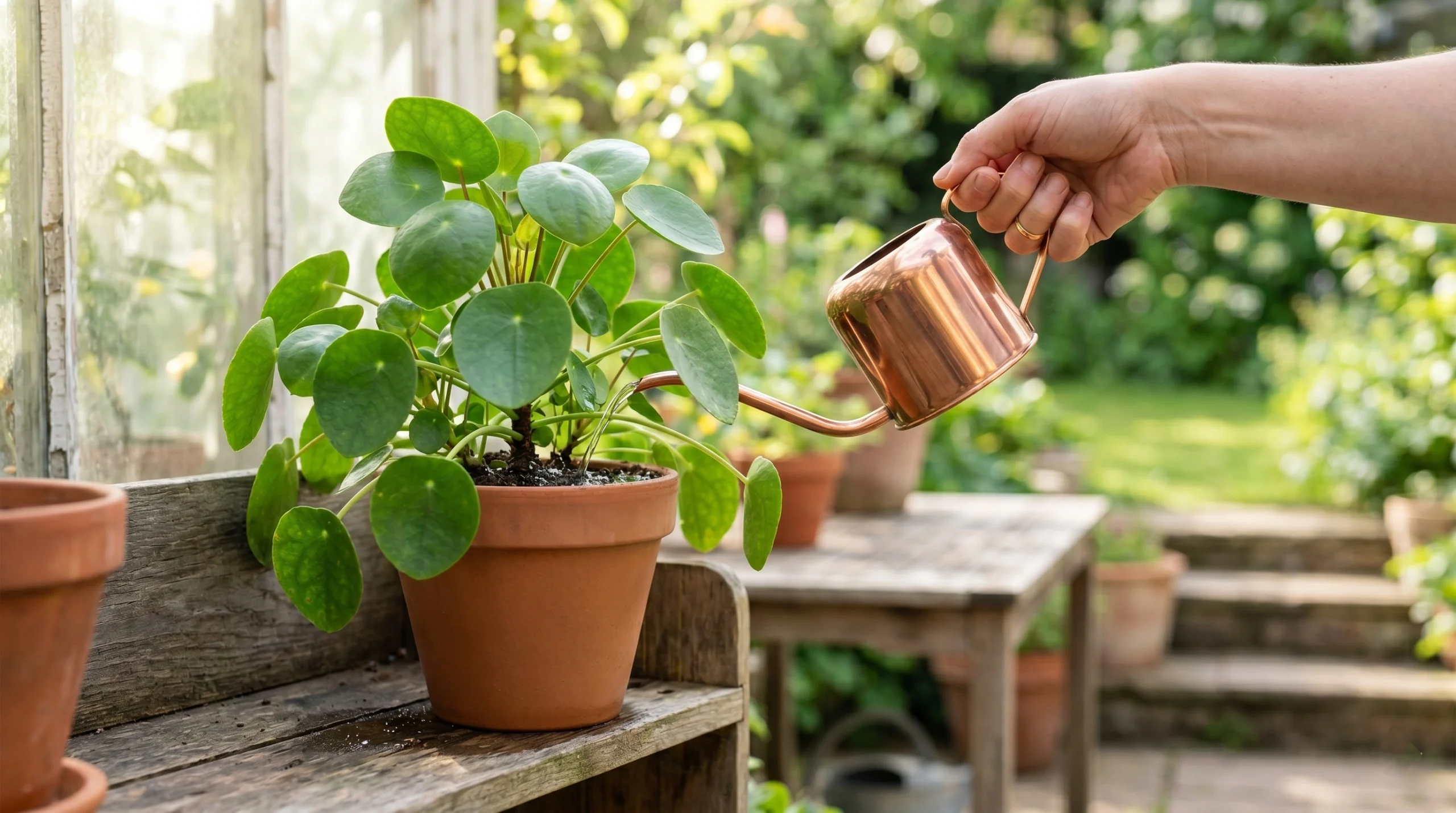
Seeing a plant struggle can be disappointing.
One day, your plant looks healthy.
A few days later, you notice:
- Yellow leaves
- Wilting stems
- Dry foliage
- Drooping growth
- Weak appearance
Naturally, many gardeners ask:
“Can I still save my dying plant?”
The good news is:
In many cases — yes.
Plants are often more resilient than we think.
A weak or damaged plant does not always mean the plant is dead. Most plants show warning signs before serious decline, and early action can often help them recover.
The key is understanding:
Why is the plant dying in the first place?
In this guide, you will learn:
- How to identify plant stress
- Common reasons plants decline
- Step-by-step recovery methods
- Indoor and outdoor plant revival tips
- How to prevent future plant damage
For gardening products and plant care solutions, visit Shridhara Greens.
Is Your Plant Dying or Just Stressed?
Before trying to revive a plant, it is important to know the difference.
A stressed plant may show:
- Yellow leaves
- Drooping
- Weak growth
- Temporary wilting
But the roots and stems may still be alive.
A truly dead plant often has:
- Dry brittle stems
- Rotten roots
- Completely dry or black tissue
- No green growth
Many plants recover if treated early.
Step 1: Identify the Real Problem
This is the most important step.
Many gardeners try random solutions without understanding the cause.
Plants usually decline because of:
- Watering problems
- Poor sunlight
- Root damage
- Nutrient deficiency
- Pests
- Poor drainage
- Temperature stress
Correct diagnosis improves recovery.
Step 2: Check Soil Moisture
Watering problems are one of the biggest reasons plants weaken.
Overwatering Problems
Too much water may cause:
- Yellow leaves
- Soft stems
- Fungal smell
- Root rot
- Drooping despite wet soil
Roots need oxygen.
Waterlogged soil suffocates roots.
Underwatering Problems
Dry plants may show:
- Crispy leaves
- Dry soil
- Wilting
- Curling leaves
Both conditions require different solutions.
Check soil before watering.
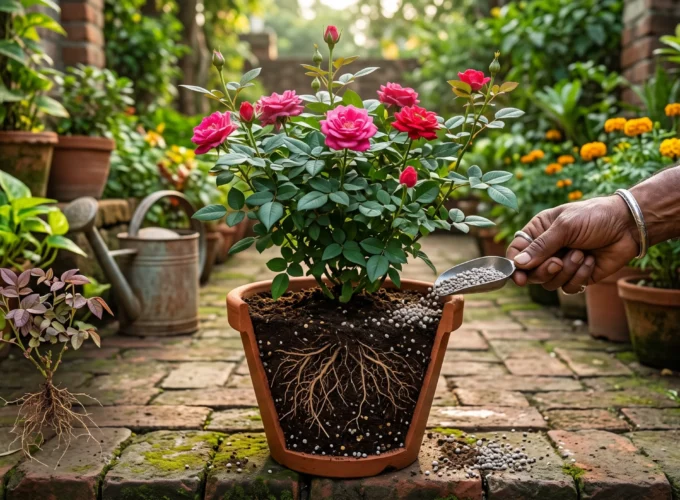
Step 3: Inspect the Roots
Healthy roots are essential.
If possible, gently inspect roots.
Healthy roots are usually:
- White
- Firm
- Fresh
Problem roots may appear:
- Brown
- Mushy
- Black
- Smelly
Root problems commonly cause plant decline.
Step 4: Remove Dead or Damaged Parts
Pruning helps reduce stress.
Remove:
- Dead leaves
- Dry branches
- Rotten stems
- Damaged foliage
This helps the plant redirect energy toward recovery.
Avoid excessive cutting.
Step 5: Improve Light Conditions
Light affects recovery significantly.
Plants receiving too little sunlight may become:
- Weak
- Pale
- Slow-growing
But excessive harsh sunlight may also stress recovering plants.
Match light conditions to plant type.
Indoor Plants
Common indoor plants include:
- Money plant
- Snake plant
- Pothos
- Peace lily
These often prefer:
- Bright indirect light
- Stable conditions
Step 6: Improve Drainage
Poor drainage often keeps plants unhealthy.
Signs include:
- Constantly wet soil
- Slow drying pots
- Root smell
- Fungus
Good drainage supports:
- Oxygen flow
- Root recovery
- Healthier growth
Materials like:
- Cocopeat
- Compost
- Perlite
may improve soil structure.
Step 7: Check for Pest Problems
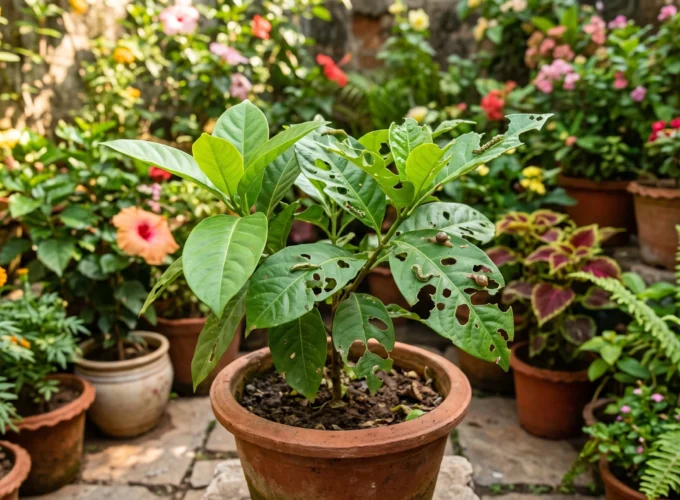
Sometimes plants appear sick because of insects.
Inspect for:
- Mealybugs
- Aphids
- Whiteflies
- Spider mites
Pests weaken plants by feeding on sap and damaging foliage.
Look under leaves and near stems.
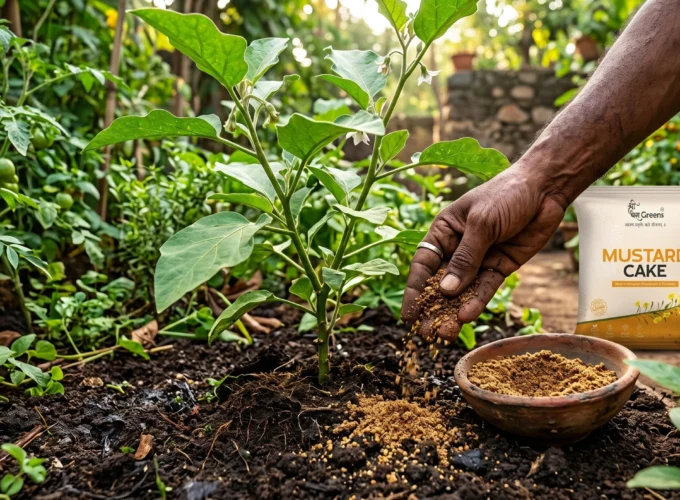
Step 8: Support Recovery with Balanced Nutrition
Weak plants need nutrition carefully.
However:
Avoid overfertilizing stressed plants.
Too much fertilizer may:
- Burn roots
- Increase stress
- Delay recovery
Gentle and balanced nutrition works better.
Organic plant care practices often support gradual recovery.
Step 9: Reduce Environmental Stress
Plants recover best in stable conditions.
Avoid sudden:
- Heat changes
- Heavy rain exposure
- Strong wind
- Frequent movement
Stress slows healing.
Create calm, growing conditions.
Step 10: Be Patient
This step is often forgotten.
Many gardeners expect instant recovery.
But plants heal gradually.
Depending on damage, recovery may take:
- Days
- Weeks
- Sometimes longer
Watch for:
- New shoots
- Greener leaves
- Stronger stems
- Improved growth
These are positive signs.
How to Revive Indoor Plants
Indoor plants often decline because of:
- Low light
- Overwatering
- Poor airflow
Recovery tips:
- Move to brighter indirect light
- Improve drainage
- Water carefully
- Remove damaged leaves
Indoor environments need balanced care.
How to Revive Outdoor Plants
Outdoor plants may face:
- Heat stress
- Rain damage
- Nutrient loss
- Pest pressure
Provide:
- Proper watering
- Soil support
- Balanced sunlight
Recovery often improves naturally.
Common Signs Your Plant Is Recovering
Good signs include:
- New leaves
- Stronger stems
- Improved color
- Upright growth
- Better moisture response
Recovery may begin slowly.
Common Mistakes While Reviving Plants
Watering More “Just in Case”
This often worsens problems.
Overfertilizing Weak Plants
Stress increases.
Ignoring Root Health
Roots are often the real issue.
Moving Plants Constantly
Plants need stability.
Expecting Overnight Results
Plant recovery is gradual.
Why Healthy Soil Helps Plant Recovery
Healthy soil supports:
- Root healing
- Nutrient absorption
- Moisture balance
- Microbial activity
Organic matter improves long-term plant health naturally.
Explore gardening products and plant care solutions at Shridhara Greens.
Frequently Asked Questions
Can a dying plant be saved?
Yes. Many stressed plants recover when problems are identified early.
What causes plants to die suddenly?
Watering problems, root damage, pests, and environmental stress are common causes.
Should I fertilize a dying plant?
Use caution. Overfertilizing may increase stress.
How long does plant recovery take?
Recovery varies depending on damage and plant type.
How do I know if roots are healthy?
Healthy roots are usually white and firm.
Final Thoughts
A dying plant does not always mean failure.
Most struggling plants are simply reacting to:
- Watering mistakes
- Root stress
- Poor light
- Nutrient imbalance
- Environmental problems
The key to recovery is:
Identify the problem first — then respond carefully.
With patience and proper care, many plants recover and grow stronger again.
For Indian gardeners, consistent plant observation and balanced care often make the biggest difference.
For trusted gardening products and plant care solutions, visit Shridhara Greens and support healthier and happier plants naturally.