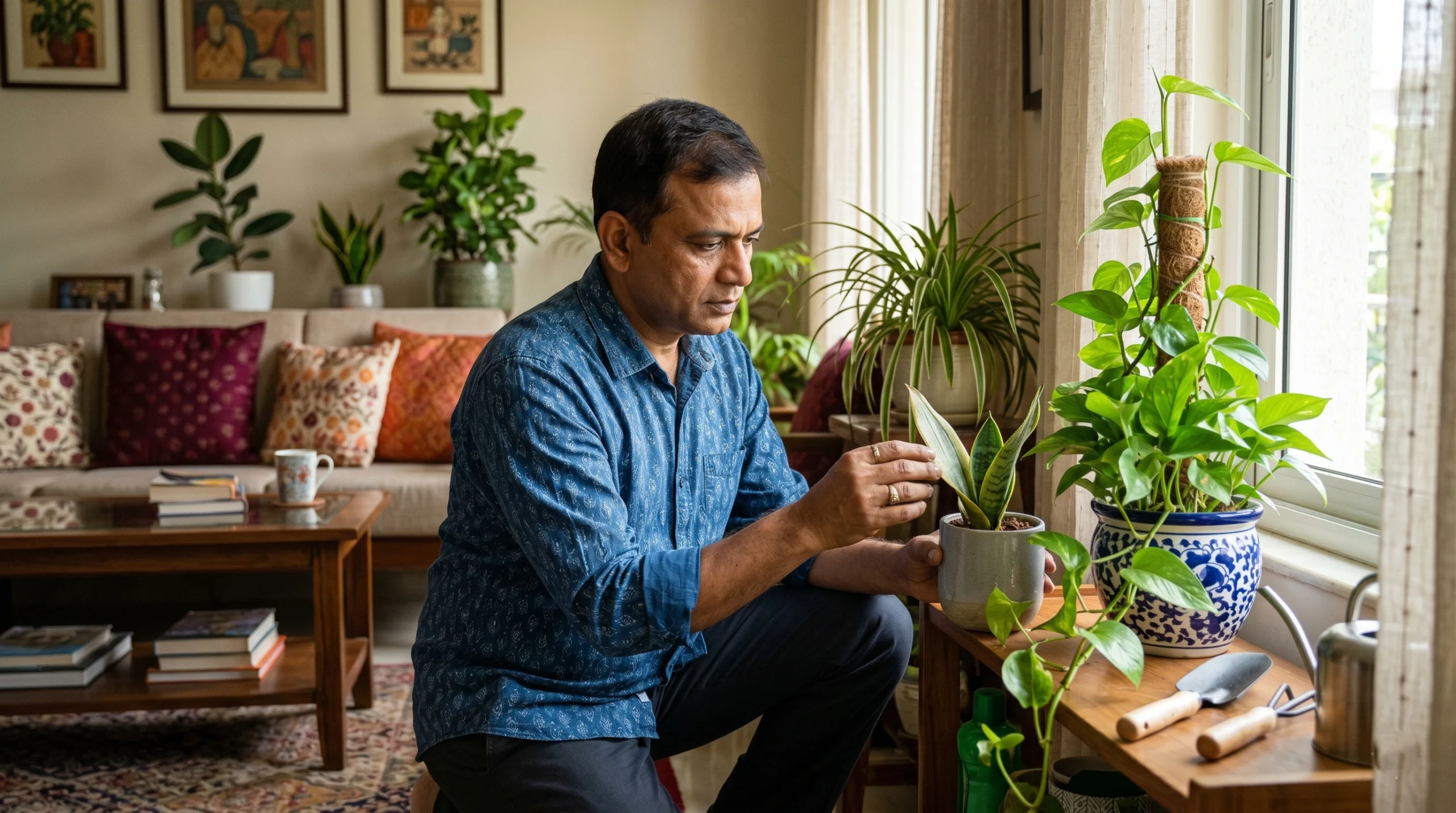
You bring home a beautiful indoor plant.
For the first few weeks, everything seems perfect.
New leaves appear, the plant looks vibrant, and growth is noticeable.
Then suddenly, growth stops.
Weeks pass.
Maybe even months.
The plant isn’t dying, but it isn’t growing either.
If this sounds familiar, you’re not alone.
One of the most common questions indoor gardeners ask is:
“Why has my indoor plant stopped growing?”
The good news is that most indoor plants don’t stop growing permanently. They usually slow down because one or more growing conditions are no longer ideal.
In many cases, the solution is surprisingly simple.
In this guide, you’ll learn:
- Why do indoor plants stop growing
- Common indoor plant care mistakes
- How to restart healthy growth
- Signs your plant is stressed
- Best practices for indoor gardening in India
For premium gardening products and plant care solutions, visit https://shridharagreens.com/.
Is Your Indoor Plant Actually Stuck?
Before assuming something is wrong, it’s important to understand that plants don’t grow at the same speed throughout the year.
Many indoor plants naturally experience periods of:
- Active growth
- Slow growth
- Dormancy
Some plants grow rapidly during warm months and slow down during cooler seasons.
However, if your plant hasn’t produced new growth for several months despite favorable conditions, there may be an underlying issue.
1. Your Plant Isn’t Getting Enough Light
The number one reason indoor plants stop growing is insufficient light.
Many people assume indoor plants can thrive in dark corners.
In reality, most indoor plants need:
Bright Indirect Light
Examples include:
- Money Plant
- Monstera
- Peace Lily
- Philodendron
- Areca Palm
- Rubber Plant
Without enough light:
- Photosynthesis slows down
- Energy production decreases
- Growth becomes limited
Common signs of low light:
- Smaller leaves
- Long weak stems
- Pale foliage
- No new growth
Simply moving a plant closer to a window can often restart growth.
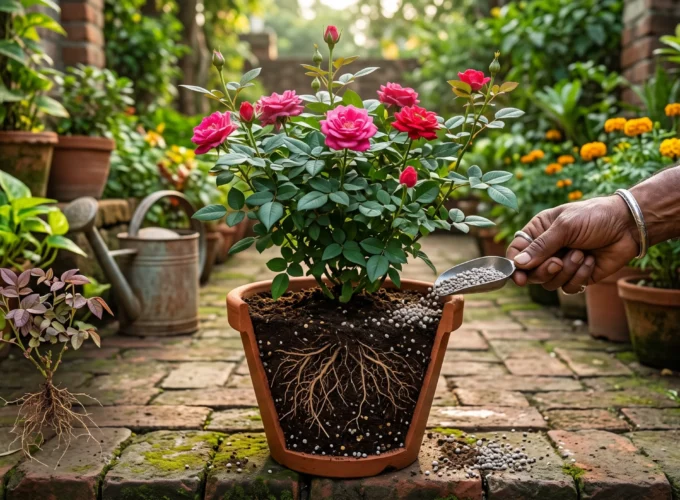
2. The Pot Has Become Root Bound
Indoor plants may outgrow their containers.
When roots occupy most of the available space, the plant becomes:
Root Bound
Root-bound plants often show:
- Slowed growth
- Frequent wilting
- Watering issues
- Reduced leaf production
Check for:
- Roots emerging from drainage holes
- Dense root masses
- Water is draining unusually fast
Repotting may be necessary to encourage continued growth.
3. The Growing Media Has Lost Its Quality
Many indoor plants spend years in the same potting mix.
Over time, growing media begins to:
- Break down
- Compact
- Lose nutrients
- Hold less oxygen
This affects root health and plant performance.
Healthy growing media should provide:
✔ Drainage
✔ Moisture retention
✔ Aeration
✔ Nutrient availability
Refreshing the potting mix can often improve growth significantly.
4. Nutrients Have Been Depleted
Indoor plants rely entirely on the nutrients available in their pots.
After several months:
- Nutrients become exhausted
- Organic matter breaks down
- Soil fertility declines
The plant may survive but stop producing new growth.
Common symptoms include:
- Small leaves
- Pale foliage
- Weak stems
- Reduced vigor
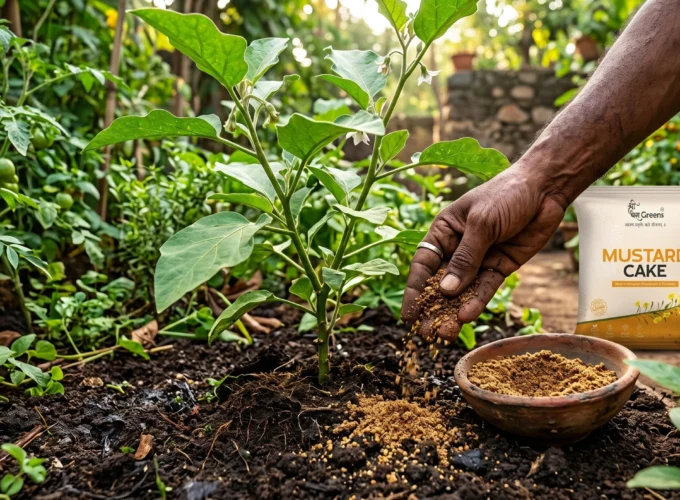
Natural fertilizers can help replenish soil fertility.
5. Overwatering Has Damaged the Roots
Many indoor plant owners accidentally overwater.
In fact:
Overwatering causes more indoor plant problems than underwatering.
When soil remains wet continuously:
- Oxygen levels decrease
- Roots weaken
- Nutrient uptake declines
The result is often stalled growth.
Signs of overwatering:
- Yellow leaves
- Soft stems
- Wet soil for several days
- Fungal growth
Healthy roots need both water and oxygen.
6. Your Plant Needs Better Drainage
Drainage and growth are closely connected.
Poor drainage causes:
- Root stress
- Nutrient deficiencies
- Reduced oxygen
Even if you’re using quality fertilizer, roots cannot absorb nutrients effectively in waterlogged conditions.
Indoor plants generally perform best in well-draining growing media.
7. Indoor Humidity Is Too Low
Many popular houseplants originate from tropical environments.
These include:
- Monstera
- Calathea
- Philodendron
- Peace Lily
Low indoor humidity may cause:
- Brown leaf tips
- Slow growth
- Leaf curling
This is particularly common in air-conditioned rooms.
Grouping plants often helps create a more humid environment.
8. Temperature Stress
Indoor plants prefer stable temperatures.
Sudden changes may slow growth.
Common stress factors include:
- Hot afternoon sun through the windows
- Air conditioner drafts
- Ceiling fan exposure
- Cold winter nights
Consistent temperatures help plants grow more actively.
9. The Plant Is Focusing on Root Growth
Sometimes a plant appears inactive above the soil.
However, below the surface, roots may be expanding rapidly.
This is common after:
- Repotting
- Transplanting
- Environmental changes
Growth above the soil often resumes once the root system becomes established.
Patience is sometimes the best solution.
10. Seasonal Growth Cycles
Not all plants grow continuously.
Many indoor plants naturally slow down during:
Winter
Growth often becomes minimal.
Monsoon
Certain plants may temporarily reduce activity.
Seasonal Transitions
Plants adjust to changing conditions.
Understanding natural growth cycles prevents unnecessary interventions.
Signs Your Indoor Plant Is Healthy (Even If Growth Is Slow)
A slow-growing plant is not always unhealthy.
Positive signs include:
✔ Firm stems
✔ Healthy green leaves
✔ No pests
✔ Good root health
✔ Stable appearance
If these signs are present, the plant may simply be growing at its natural pace.
How to Encourage Faster Indoor Plant Growth
If you want to stimulate healthier growth:
Improve Light Exposure
Place plants near bright windows.
Refresh Growing Media
Replace compacted potting mixes.
Use Natural Fertilizers
Support healthy root development and nutrient availability.
Water Properly
Allow the growing media to partially dry between waterings when appropriate.
Repot When Necessary
Provide additional root space.
Maintain Good Humidity
Especially for tropical houseplants.
Best Indoor Plants for Beginners in India
If you’re new to indoor gardening, these plants are generally easy to maintain:
Money Plant
Fast-growing and adaptable.
Snake Plant
Tolerates low light and neglect.
ZZ Plant
Low-maintenance and resilient.
Areca Palm
Popular for indoor decoration.
Peace Lily
Beautiful foliage and flowers.
These plants often recover well when growing conditions improve.
Frequently Asked Questions
Why has my indoor plant stopped growing?
The most common causes include insufficient light, poor growing media, nutrient depletion, root-bound conditions, and watering problems.
Can indoor plants become dormant?
Yes. Many indoor plants naturally slow down during certain seasons.
How do I know if my plant needs repotting?
Look for roots emerging from drainage holes, slow growth, and rapid soil drying.
Does fertilizer help indoor plants grow faster?
Healthy nutrition supports growth, but fertilizer works best when light, watering, and growing conditions are also suitable.
Can low light stop plant growth completely?
Yes. Insufficient light is one of the most common reasons indoor plants stop producing new growth.
Final Thoughts
If your indoor plant has stopped growing after a few months, don’t panic.
Most growth problems are caused by simple environmental factors such as:
- Low light
- Old growing media
- Nutrient depletion
- Poor drainage
- Root crowding
- Improper watering
The key is identifying the real cause rather than treating the symptoms.
With the right balance of light, nutrition, growing media, and care, most indoor plants will return to healthy growth and continue thriving for years.
For premium gardening products and plant care solutions, visit https://shridharagreens.com/ and help your indoor plants stay healthy, vibrant, and growing year-round.