Healthy plants need more than just water and sunlight. They also require essential nutrients to grow, flower, and produce fruits.
Among these nutrients, phosphorus is one of the most important—but also one of the most overlooked.
If your plants have:
- Weak root systems
- Slow growth
- Poor flowering
- Small fruits
- Purple or dark green leaves
They may be suffering from a phosphorus deficiency.
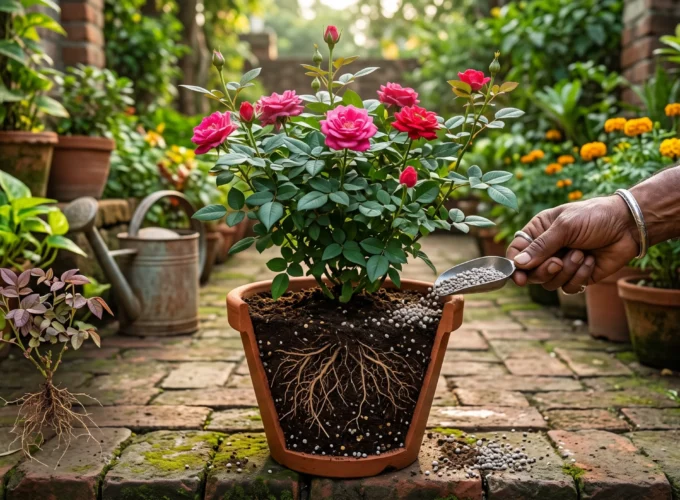
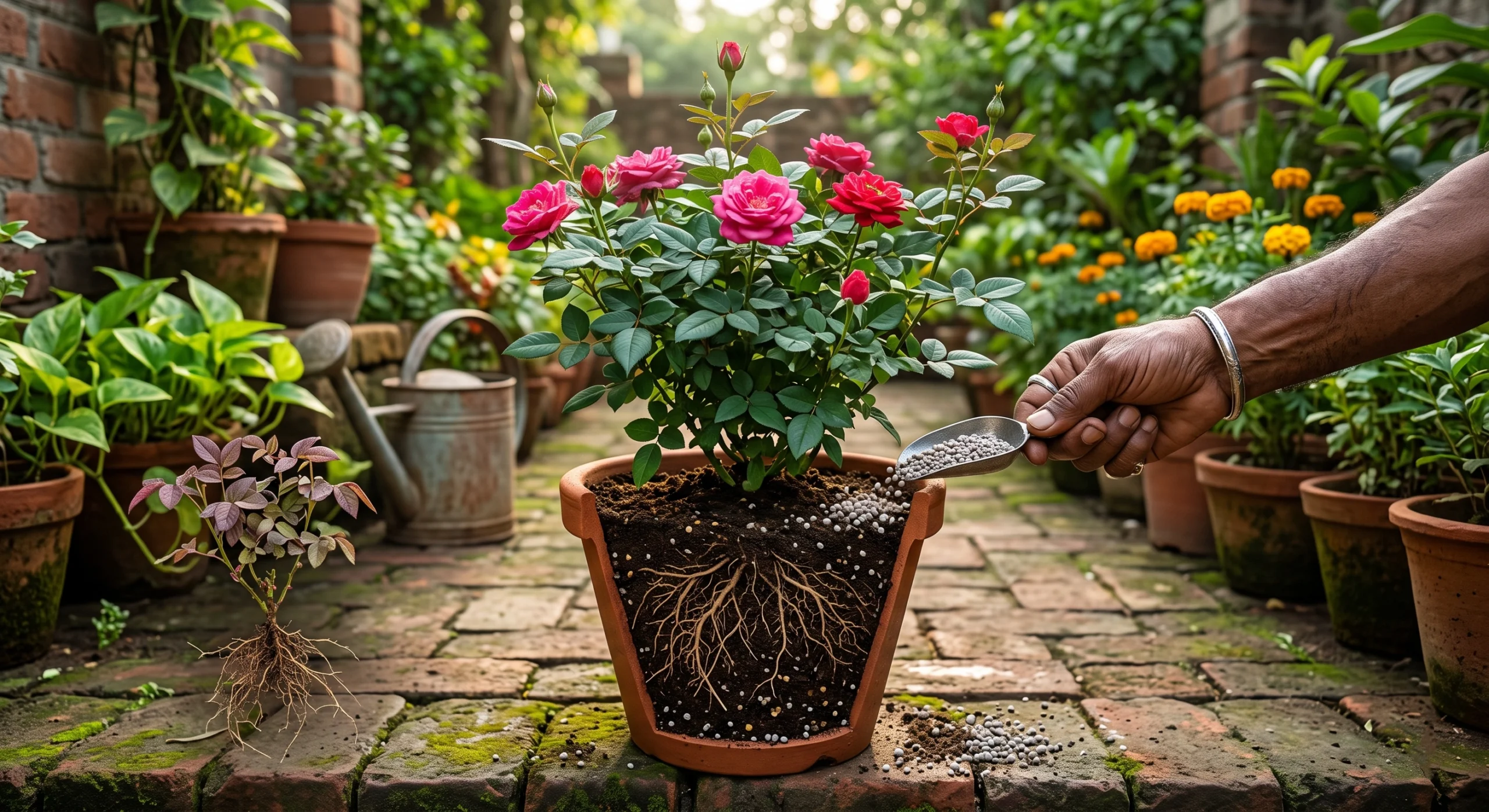
Adding the right phosphorus fertilizer, such as PROM (Phosphate Rich Organic Manure), can help restore healthy growth while improving soil fertility over time.
In this guide, you’ll learn:
- What phosphorus does for plants
- Signs of phosphorus deficiency
- Benefits of phosphorus fertilizers
- When to apply phosphorus fertilizer
- Why PROM fertilizer is a preferred organic option for home gardeners
For premium gardening products, visit https://shridharagreens.com/ or explore PROM Fertilizer at https://shridharagreens.com/product/prom-fertilizer/.
What Is Phosphorus Fertilizer?
Phosphorus fertilizer is a plant nutrient that supplies phosphorus (P), one of the three primary nutrients required for healthy plant growth alongside nitrogen (N) and potassium (K).
Phosphorus plays a major role in:
- Root development
- Flower formation
- Fruit production
- Seed development
- Energy transfer within the plant
Without enough phosphorus, plants struggle to complete these important growth processes.
Organic phosphorus fertilizers such as PROM (Phosphate Rich Organic Manure) gradually release nutrients while also improving soil quality.
Why Is Phosphorus Important for Plants?
Phosphorus is often called the “root and flowering nutrient” because it supports some of the most critical stages of plant growth.
Unlike nitrogen, which mainly promotes leafy growth, phosphorus helps plants build a strong foundation.
Let’s look at its key benefits.
1. Promotes Strong Root Development
Healthy roots absorb water and nutrients efficiently.
Phosphorus supports:
- Root initiation
- Root branching
- Deep root development
This is especially important for:
- Seedlings
- Newly transplanted plants
- Fruit trees
- Flowering plants
Strong roots lead to stronger plants.
2. Encourages Better Flowering
Plants need phosphorus to produce healthy flower buds.
Adequate phosphorus helps support:
- More flower buds
- Better bloom quality
- Longer flowering periods
Flowering plants such as:
- Rose
- Hibiscus
- Jasmine
- Bougainvillea
often perform better when phosphorus requirements are met.
3. Improves Fruit and Seed Production
After flowering, phosphorus continues to play an important role by supporting:
- Fruit formation
- Seed development
- Better crop quality
Vegetables like tomatoes, chillies, brinjals, and cucumbers benefit from balanced phosphorus nutrition during their fruiting stage.
4. Supports Faster Plant Establishment
After transplanting, plants need to establish their roots quickly.
Phosphorus helps young plants adapt by encouraging root growth and improving nutrient uptake.
This makes it especially useful for:
- Terrace gardens
- Balcony plants
- Vegetable seedlings
- Nursery plants
5. Helps Plants Use Energy Efficiently
Inside every plant, phosphorus supports energy transfer during important biological processes.
This energy is required for:
- Cell division
- Root growth
- Flower development
- Fruit production
Healthy phosphorus levels contribute to vigorous plant growth.
Signs of Phosphorus Deficiency in Plants
Phosphorus deficiency often develops gradually, making it easy to overlook.
Common symptoms include:
Slow Plant Growth
Plants remain smaller than expected despite regular watering.
Weak Root Development
Roots become shallow and less vigorous.
Poor Flowering
Plants produce fewer flowers or delayed blooms.
Reduced Fruit Production
Vegetable and fruit plants may produce fewer or smaller fruits.
Dark Green or Purplish Leaves
Older leaves may develop:
- Purple tints
- Bluish-green colour
- Dark green appearance
This is one of the classic signs of phosphorus deficiency.
Delayed Maturity
Fruiting crops often take longer to mature when phosphorus is insufficient.
Which Plants Need More Phosphorus?
Many garden plants benefit from phosphorus during active growth.
Flowering Plants
- Rose
- Hibiscus
- Marigold
- Jasmine
- Bougainvillea
Vegetable Plants
- Tomato
- Chilli
- Brinjal
- Capsicum
- Okra
Fruit Plants
- Lemon
- Guava
- Pomegranate
- Mango saplings
Root Crops
- Carrot
- Radish
- Beetroot
These plants rely on healthy root systems and reproductive growth, making phosphorus particularly important.
What Is PROM Fertilizer?
PROM (Phosphate Rich Organic Manure) is an organic phosphorus fertilizer made by enriching organic materials with phosphate-rich minerals.
Unlike many chemical phosphorus fertilizers, PROM offers two major advantages:
- Supplies phosphorus gradually
- Improves soil health through organic matter
Because of its slow-release nature, PROM supports long-term plant nutrition while enhancing soil fertility.
Benefits of PROM Fertilizer
Organic Source of Phosphorus
PROM provides phosphorus in a form suitable for long-term soil improvement.
Improves Soil Fertility
Organic matter supports beneficial soil microorganisms and improves soil structure.
Better Root Development
Strong root systems help plants absorb nutrients more effectively.
Supports Sustainable Gardening
PROM is widely used by gardeners who prefer natural and eco-friendly gardening practices.
Long-Term Nutrient Availability
Unlike fast-release fertilizers, PROM continues supplying nutrients gradually.
When Should You Apply Phosphorus Fertilizer?
Phosphorus is most beneficial during stages when plants are actively developing roots or preparing to flower.
Common application stages include:
- Before planting
- During transplanting
- Before flowering
- Early fruit development
Always follow the dosage and application instructions provided with the product.
Common Mistakes to Avoid
Applying Excess Phosphorus
More fertilizer does not always produce better results.
Excess phosphorus may reduce the availability of other nutrients.
Ignoring Soil Health
Healthy soil is essential for nutrient absorption.
Compacted or poorly drained soil limits fertilizer effectiveness.
Applying Fertilizer to Dry Soil
Moist soil helps nutrients become available to plant roots.
Expecting Immediate Results
Organic phosphorus fertilizers work gradually as they improve soil fertility over time.
Phosphorus Fertilizer vs NPK Fertilizer
| Phosphorus Fertilizer (PROM) | NPK Fertilizer |
| Mainly supplies phosphorus | Supplies nitrogen, phosphorus, and potassium |
| Excellent for root growth | Balanced nutrition |
| Supports flowering and fruiting | General plant growth |
| Improves soil health | Mainly feeds plants |
| Slow-release organic nutrition | Often quicker acting |
Many gardeners use both strategically, depending on plant requirements.
Frequently Asked Questions
What does phosphorus fertilizer do for plants?
Phosphorus supports root development, flowering, fruit production, seed formation, and energy transfer within the plant.
What are the signs of phosphorus deficiency?
Common symptoms include slow growth, weak roots, poor flowering, reduced fruit production, and purple or dark green leaves.
Is PROM fertilizer organic?
Yes. PROM (Phosphate Rich Organic Manure) is an organic phosphorus fertilizer that also improves soil fertility.
Which plants need phosphorus the most?
Flowering plants, fruit plants, vegetables, seedlings, and root crops often require adequate phosphorus for healthy growth.
Can phosphorus fertilizer improve flowering?
Yes. Phosphorus is essential for flower bud formation and healthy blooming.
Final Thoughts
Phosphorus is one of the most important nutrients for healthy plant development.
Without enough phosphorus, plants may struggle to develop:
✔ Strong roots
✔ Healthy flowers
✔ Quality fruits
✔ Vigorous overall growth
Organic options like PROM Fertilizer not only provide phosphorus but also improve soil fertility, making them an excellent choice for long-term gardening success.
By combining balanced nutrition, healthy growing media, proper watering, and adequate sunlight, you can help your plants reach their full potential.