You step onto your balcony or garden one morning and notice something unusual.
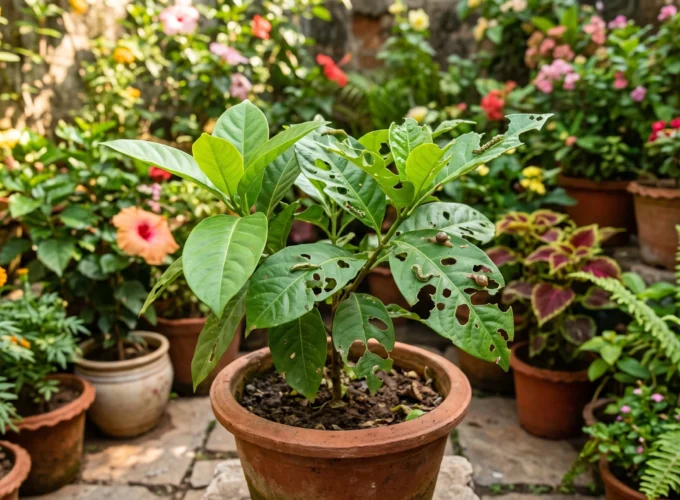
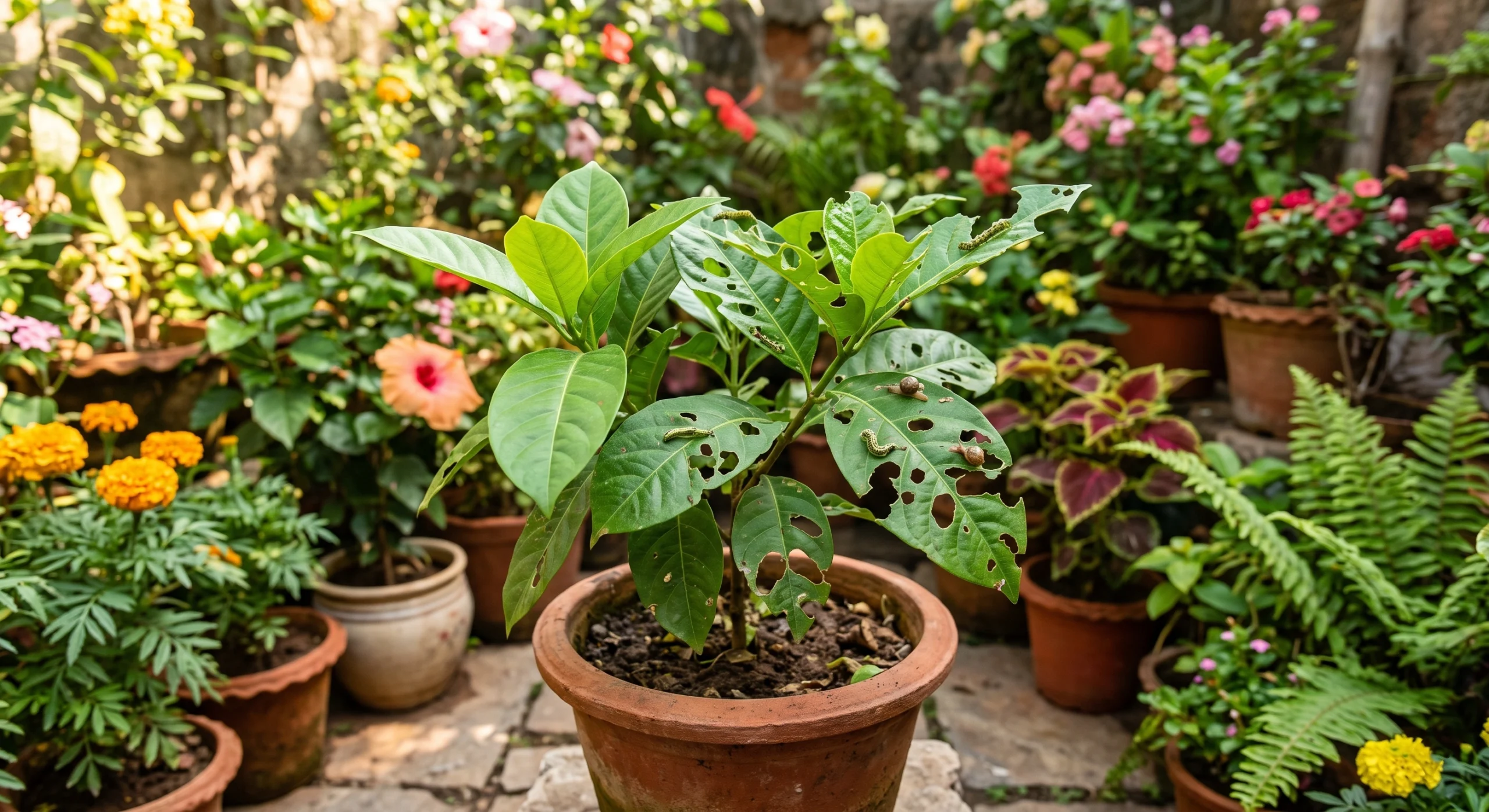
Your once healthy green leaves now have:
- Small round holes
- Ragged edges
- Missing leaf sections
- Torn or chewed foliage
Naturally, your first thought is:
“What’s eating my plants?”
Leaves with holes are one of the most common problems faced by home gardeners across India. While it may look alarming, the damage is usually caused by pests, insects, or environmental factors—and identifying the real cause early is the key to saving your plants.
In this guide, you’ll learn:
- Why do plant leaves develop holes
- The most common pests responsible
- How to identify the problem
- Natural ways to protect your plants
- Tips to prevent future leaf damage
For premium gardening products and plant care solutions, visit https://shridharagreens.com/.
What Causes Holes in Plant Leaves?
A hole in a leaf is usually a sign that something has eaten or damaged the plant tissue.
In most home gardens, the problem is caused by:
- Chewing insects
- Caterpillars
- Beetles
- Snails and slugs
- Grasshoppers
- Leaf-feeding pests
Occasionally, physical damage or certain plant diseases may also create holes, but insects remain the most common cause.
The shape and size of the holes often provide clues about the culprit.
1. Caterpillars
Caterpillars are among the biggest leaf-eating pests.
They feed aggressively, often overnight, leaving behind:
- Large irregular holes
- Half-eaten leaves
- Missing leaf edges
Commonly affected plants include:
- Hibiscus
- Curry leaves
- Cabbage
- Tomato
- Chilli
- Spinach
Look underneath the leaves, where caterpillars often hide during the day.
2. Beetles
Several species of beetles feed on plant foliage.
Typical signs include:
- Round holes
- Smooth-edged damage
- Chewed leaf margins
Some beetles attack flowers and fruits as well.
Early identification helps prevent larger infestations.
3. Snails and Slugs
During the monsoon or in humid conditions, snails and slugs become active.
They usually feed at night, leaving:
- Large uneven holes
- Ragged leaf edges
- Slime trails on pots or leaves
Tender plants are especially vulnerable.
4. Grasshoppers
Grasshoppers chew large portions of leaves and can quickly damage vegetable gardens.
Common symptoms include:
- Large missing sections
- Torn foliage
- Uneven feeding marks
While occasional feeding is not serious, larger populations can significantly reduce plant health.
5. Leaf-Chewing Insects
Several insects feed directly on leaves, including:
- Leaf beetles
- Sawfly larvae
- Earwigs
- Certain weevils
These pests often leave:
- Small holes
- Skeletonized leaves
- Damaged new growth
Inspect plants regularly to detect infestations early.
6. Leaf Miners
Leaf miners behave differently.
Instead of chewing holes through the leaf, they tunnel between its layers.
Signs include:
- White winding trails
- Transparent patches
- Weak leaves that eventually tear
This damage is common on leafy vegetables and ornamental plants.
7. Physical Damage
Not every hole is caused by insects.
Leaves may tear because of:
- Strong winds
- Heavy rain
- Hail
- Rough handling
Unlike insect damage, physical tears usually have clean edges and do not continue spreading.
Which Plants Are Most Commonly Affected?
Leaf damage is common in many home gardens.
Plants frequently attacked include:
Vegetable Plants
- Tomato
- Chilli
- Brinjal
- Cabbage
- Spinach
- Okra
Flowering Plants
- Rose
- Hibiscus
- Marigold
- Petunia
Fruit Plants
- Lemon
- Guava
- Papaya
Indoor Plants
Young leaves on indoor plants may also be damaged if pests are introduced through nursery plants.
How to Identify What’s Eating Your Plants
Before using any treatment, identify the cause.
Ask yourself:
Are the holes smooth or ragged?
Smooth holes may indicate beetles, while ragged edges often point to caterpillars or slugs.
Is the damage happening overnight?
Night-time feeding usually suggests:
- Caterpillars
- Slugs
- Snails
Are insects visible?
Check:
- Under leaves
- Along stems
- Near flower buds
- Around the soil surface
Many pests hide during the day.
Is the damage spreading?
If new holes appear daily, active pests are likely still feeding.
Natural Ways to Protect Plants
Home gardeners often prefer environmentally friendly pest management.
Here are some effective approaches.
Remove Pests by Hand
For small gardens, manually removing caterpillars or beetles is often the quickest solution.
Wear gloves and inspect plants regularly.
Keep the Garden Clean
Remove:
- Fallen leaves
- Dead plant material
- Weeds
These can provide shelter for insects.
Encourage Beneficial Insects
Ladybugs, lacewings, and spiders naturally feed on many garden pests.
Creating a healthy garden ecosystem helps reduce pest populations.
Inspect Plants Regularly
Weekly inspections allow you to spot problems before they become severe.
Pay particular attention to new leaves, as they are usually the first target.
Maintain Healthy Plants
Healthy plants recover from pest damage more quickly.
Support plant health through:
- Proper watering
- Good sunlight
- Balanced nutrition
- Healthy growing media
Strong plants are naturally more resilient.
Common Mistakes to Avoid
Avoid these common gardening mistakes:
❌ Ignoring early signs of leaf damage
❌ Spraying chemicals without identifying the pest
❌ Overwatering stressed plants
❌ Removing too many damaged leaves at once
❌ Neglecting regular garden inspections
Early detection is often more effective than aggressive treatment.
How to Prevent Holes in Plant Leaves
Prevention is easier than treating a severe infestation.
Good habits include:
✔ Inspect new plants before bringing them home
✔ Keep plants well-spaced for better airflow
✔ Remove damaged leaves promptly
✔ Monitor pest activity after rainfall
✔ Keep pots and surrounding areas clean
✔ Check the underside of leaves every week
These simple practices can significantly reduce pest problems.
Frequently Asked Questions
Why do my plant leaves suddenly have holes?
The most common causes are caterpillars, beetles, slugs, snails, and other leaf-chewing insects.
How can I tell if insects are eating my plants?
Look for chewed leaves, ragged edges, visible insects, droppings, or feeding damage that increases over time.
Can plants recover from leaf damage?
Yes. Healthy plants often produce new leaves once the pest problem is controlled.
Are holes in leaves always caused by pests?
No. Strong winds, hail, and physical damage can also tear leaves, although insects are the most common cause.
Should I remove damaged leaves?
Remove severely damaged or diseased leaves, but avoid removing too much healthy foliage, as plants still need leaves for photosynthesis.
Final Thoughts
Finding holes in your plant leaves can be frustrating, but it doesn’t always mean your plant is in serious trouble.
In most cases, the damage is caused by common garden pests such as caterpillars, beetles, slugs, or grasshoppers.
The key is to:
✔ Identify the pest correctly
✔ Inspect plants regularly
✔ Maintain good garden hygiene
✔ Support healthy plant growth
✔ Act early before the infestation spreads
Healthy, well-maintained plants are naturally better at recovering from minor leaf damage and resisting future pest attacks.
For premium gardening products and complete plant care solutions, visit https://shridharagreens.com/ and help your plants stay healthy, lush, and protected throughout the year.