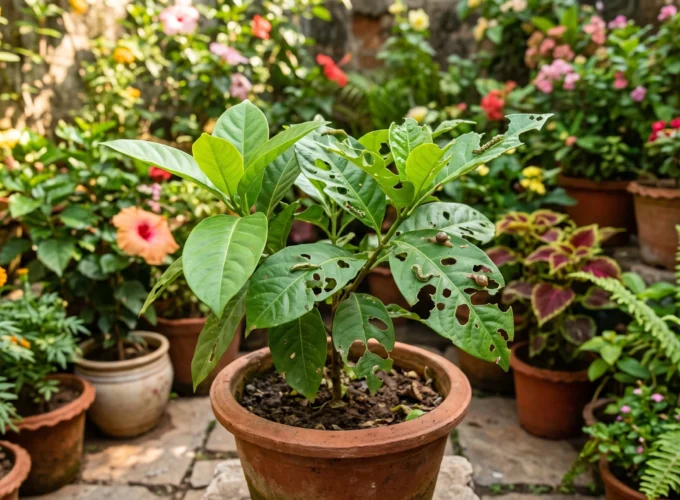

A quick, repeatable foliar-feeding schedule using Shridhara Greens’ GrowBoost-style liquid nutrition (like Biotoniq) so your plants stay lush without complicated fertiliser maths.
Why a 15-day foliar spray routine works
Foliar sprays deliver dissolved nutrients directly through leaf surfaces, giving faster visible results than soil-only feeding—especially for balcony and indoor plants in limited soil. Many houseplants respond well to a light, balanced liquid fertiliser every 10–15 days during active growth, provided the solution is correctly diluted.
Shridhara’s Biotoniq / GrowBoost-type sprays are designed for:
Quick absorption and improved chlorophyll, photosynthesis, and resilience
Enhanced flowering and fruiting in a wide range of plants
Easy use as either foliar spray or soil drench with simple dilution ratios (typically 1:10–1:20 with water, depending on plant age).
Before you start: basic spray rules
Follow these essentials with any GrowBoost-style spray:
Always dilute as per label—stronger is not better and can burn tender foliage. Biotoniq suggests 1:10 for older plants and 1:20 for young ones.
Spray in early morning or late evening so leaves absorb nutrients without sunburn or rapid evaporation.
Cover both sides of leaves lightly until just coated with fine droplets, not dripping wet.
Avoid spraying on very stressed, bone-dry, or waterlogged plants; fix watering first.
Day 1: Baseline check and first GrowBoost spray
Check plant health: Group plants by type—indoor foliage, flowering, balcony veggies, succulents (which generally need less foliar feed).
Dilute GrowBoost / Biotoniq:
Mature plants: about 1:10 with water (e.g., 10 ml in 100 ml, scaled up in a spray bottle).
Young or delicate plants: about 1:20 with water.
Spray routine:
Time: early morning or just after sunset.
Target: healthy leaves, both surfaces, and a quick mist around the plant canopy.
If a plant is in harsh midday sun or strong wind, skip it that day and wait for gentler conditions.
Days 2–4: Observe, water normally, no fertiliser
For the next few days, simply observe your plants and maintain regular watering.
Look for early responses like perkier leaves, slightly deeper green, or new buds forming.
Watch for overfeeding signs: leaf tip burn or unusual yellow patches; if seen, flush soil with plain water and lengthen the gap before the next spray.
No extra fertiliser during these days—foliar nutrients are still working inside the plant.
Day 5: Soil drench support (optional but powerful)
To make the 15-day cycle more effective for flowering and fruiting plants, combine foliar feeding with a very mild soil drench once in the cycle:
Use the same diluted GrowBoost solution (often at the weaker 1:20 ratio).
Pour a small amount near the root zone of hungry plants like tomatoes, chillies, flowering annuals, or heavy-feeding houseplants.
This reinforces leaf feeding with gentle root nutrition, improving overall response without heavy salts buildup.
Days 6–10: Light care, pest watch, and neem backup
Continue normal watering based on soil moisture, not a fixed calendar. During this phase:
Check leaf undersides for pests; well-fed plants often show better resistance, but mealybugs, mites, or aphids can still appear.
If pests show up, schedule a separate neem oil spray (2–3 ml per litre, as per common organic practice) on a non-fertiliser day—never mix strong neem oil and GrowBoost in the same spray until compatibility is confirmed.
Healthy, well-fed plants will usually maintain steady new growth through this mid-phase without additional fertiliser.
Day 11: Second GrowBoost foliar spray
By now, most plants have used a good portion of the first dose. Many gardeners and horticulture schedules recommend foliar sprays at 10–15 day intervals during active growth.
Repeat the Day 1 procedure:
Mix fresh solution at the recommended dilution.
Spray in the cool hours, coating leaves lightly.
Prioritise: actively growing plants (new leaves, buds, or veg crops in bloom) rather than dormant ones.
Avoid spraying succulents and very low-feed plants this second time unless they clearly need it; they usually prefer less frequent feeding.
Days 12–15: Wind-down and plan for the next cycle
In the last few days of the 15-day routine:
Monitor for deeper green colour, fuller foliage, and more buds or flowers—these are typical signs of successful foliar nutrition.
Check potting soil: if it looks compacted or depleted, plan to refresh with Shridhara Vermicompost or Botanic Mix at the end of the month. Balanced soil plus light foliar feeding gives the best long-term results.
If everything looks good, your plants are ready for the next 15-day GrowBoost cycle during the growing season. In winter or very low-light months, extend the gap to 3–4 weeks.
Quick reference: 15-day GrowBoost plan
Day 1: Diluted GrowBoost / Biotoniq foliar spray on healthy plants.
Days 2–4: Observe, no fertiliser; maintain normal watering.
Day 5: Optional mild soil drench with diluted solution for heavy feeders.
Days 6–10: Regular care, pest monitoring, neem spray if needed on separate day.
Day 11: Second foliar spray at same dilution during active season.
Days 12–15: Watch results, adjust frequency for next cycle, and combine with monthly organic soil feeds.
With this simple 15-day GrowBoost routine, even the busiest plant parent can give balcony, terrace, and indoor plants consistent, science-backed nutrition in just a few minutes every couple of weeks.