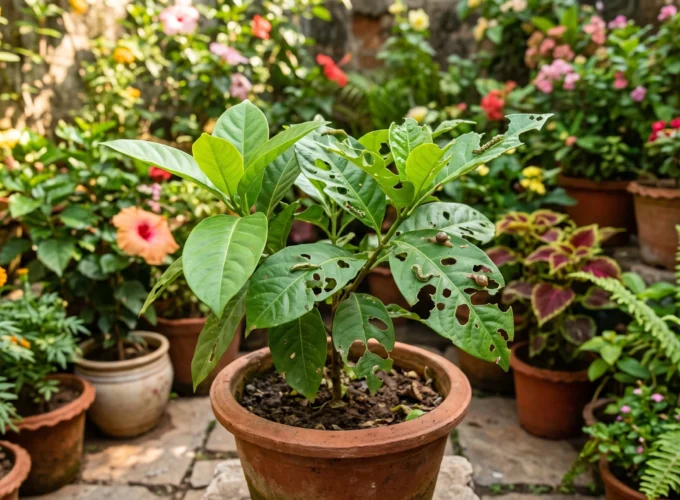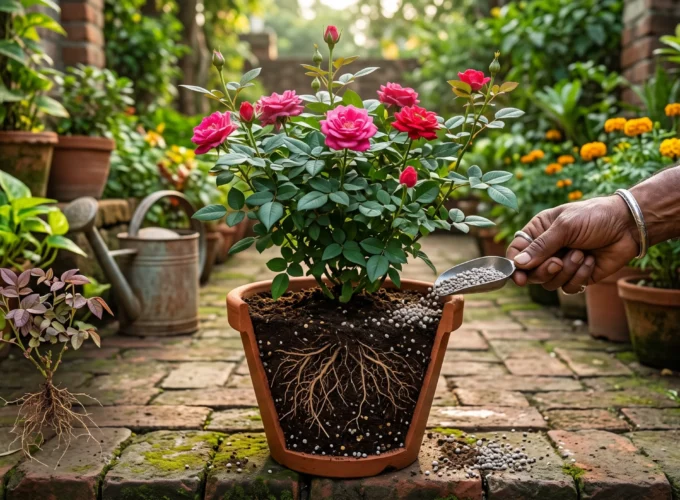

A practical guide to spotting fungal troubles early and using a gentle, bio-friendly fungicide routine to rescue your houseplants and kitchen garden.
How to recognise when a plant needs Fungi Care
Many “mystery” plant problems at home are actually fungal:
White, grey, or black powder on leaves (powdery mildew, sooty mould)
Brown or black spots that spread across foliage or fruit
Soft, mushy stems or roots, and a foul smell from the pot (root rot)
Seedlings falling over at the soil line (damping-off)
Before using any fungicide, first correct overwatering, poor drainage, and lack of air circulation, because these are the main triggers for fungal outbreaks in containers. Once you’ve fixed the basics and infection is still present or spreading, that is the time to bring in a targeted product like Fungi Care.
Preparing plants and soil before treatment
Good preparation makes Fungi Care or any organic fungicide safer and more effective:
Prune and clean: Remove heavily infected leaves, stems, and mushy roots; discard them in the dustbin, not in your compost.
Improve drainage: Repot badly affected plants into a fresh, airy mix and a pot with proper drainage holes so roots are not constantly wet.
Hydrate first: Water the plant a few hours before spraying so it is not drought-stressed; dehydrated plants are more prone to leaf burn from sprays.
Doing this groundwork allows Fungi Care to work on remaining fungus instead of fighting against waterlogged soil and dead tissue.
How to use Fungi Care step by step
Exact dilution and frequency will follow the label on your specific Fungi Care product, but most organic bio‑fungicides follow a similar pattern:
Dilute carefully: Mix the recommended dose in clean water (for many organic fungicides, this is typically a few ml per litre for liquid or 1.5–2 g per litre for wettable powders).
Apply as fine spray: Coat both sides of affected leaves and stems until just moist, without heavy dripping. For root-rot or damping-off issues, also drench a little solution into the soil around the roots.
Timing: Spray in early morning or evening so the solution dries slowly and does not scorch leaves in harsh sun.
Repeat interval: Many organic fungicides recommend repeating every 7–14 days until symptoms stop and new growth appears healthy.
Avoid mixing Fungi Care directly with strong chemical fungicides or insecticides in the same tank; chemical mixes can kill helpful microbes present in many bio‑fungicide formulations.
Safety tips for home use
Even organic products need sensible handling, especially in closed balconies or around children and pets:
Wear simple protection—gloves, mask, and avoid spraying against the wind to keep mist away from your face.
Keep kids, pets, and food items away from the spraying area; bring them back only after leaves are dry and pots are back in place.
Never exceed label dosage; if you accidentally make it too strong, dilute further rather than “finishing” the concentrate on more plants.
Do not spray directly on open flowers of pollinator‑heavy plants unless recommended, as even mild fungicides can disturb beneficial microbes.
For a fully eco-friendly approach, pair Fungi Care with practices like using organic manures and antifungal potting mixes so you rely less on any spray over time.
Preventing future fungal flare-ups
Fungi Care is most powerful when used as part of a wider, preventive routine rather than crisis‑only rescue:
Maintain a light, well‑drained growing medium and avoid chronic overwatering to stop root diseases before they start.
Keep foliage dry at night—water the soil, not the leaves, and space plants so air can move between them.
Use gentle preventives during risky seasons (humid monsoon, cool damp winters), such as periodic neem oil sprays or mild homemade remedies like milk or baking‑soda solutions on non‑fungicide days.
Feed plants with organic fertilisers in moderation; overfed, soft growth is more prone to fungal attack than steady, balanced growth.
Handled this way, Fungi Care becomes a safe, home‑friendly shield rather than a last‑minute chemical fix—helping you rescue sick plants today and keep future infections firmly in check.