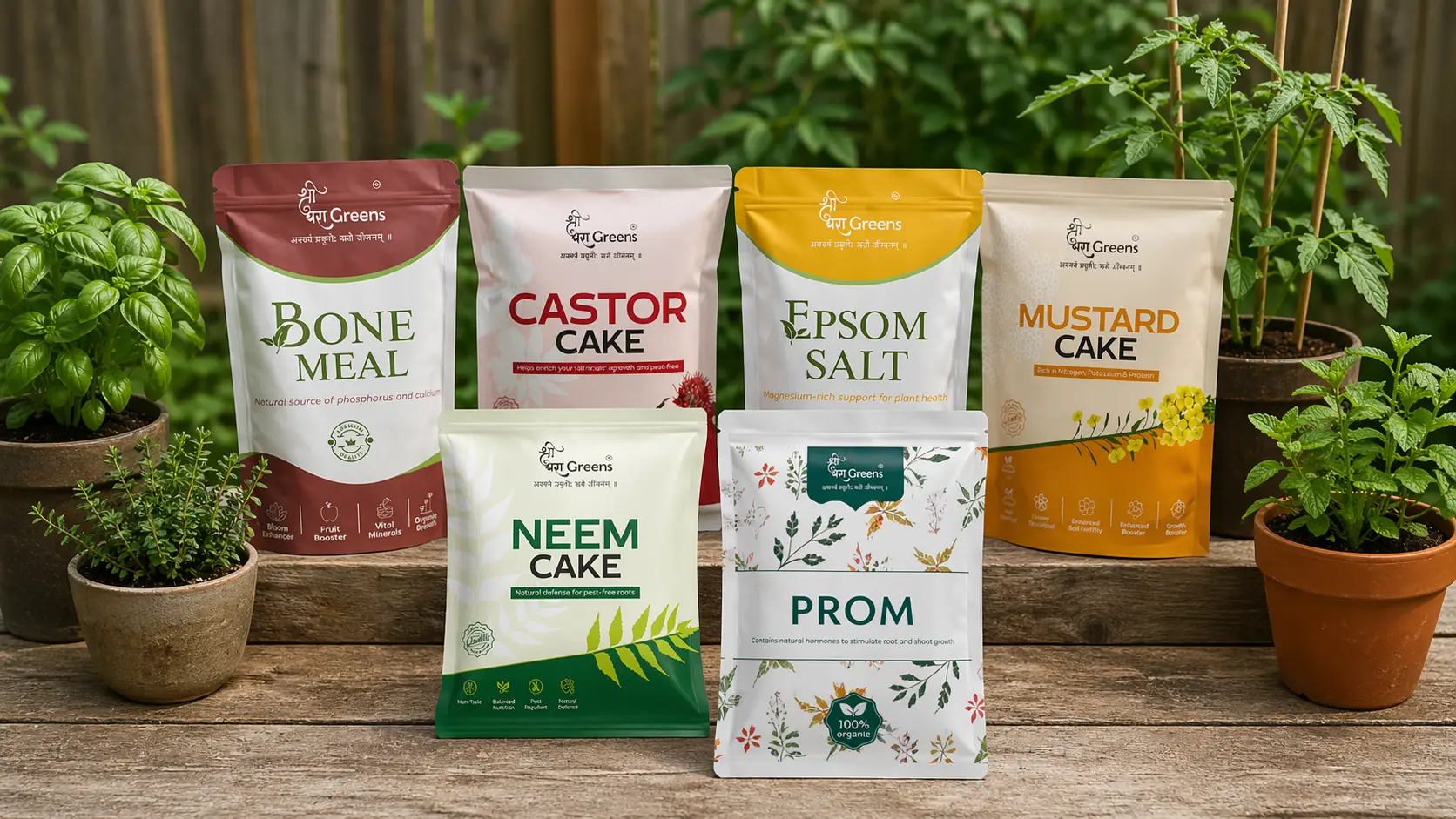
If your home garden isn’t thriving the way you expected, the answer often lies beneath the soil. Choosing the right organic fertilizers for home garden plants can completely transform plant health, boost growth, and improve soil fertility—without relying on harsh chemicals.
But with so many options available, one question naturally comes up: Which organic fertilizer is actually best for your plants? Let’s break it down in a simple, practical way so you can confidently choose what works for your garden.
Why Should You Use Organic Fertilizers for a Home Garden?
Before diving into types, it helps to understand why more gardeners are shifting toward organic solutions.
Organic fertilizers:
- Improve long-term soil health
- Increase beneficial microbes
- Release nutrients slowly (no sudden plant shock)
- Are safe for pets, kids, and the environment
Unlike chemical fertilizers, they don’t just “feed the plant”—they build a living ecosystem in your soil.
What Are the Best Organic Fertilizers for Home Garden Plants?
Let’s explore the most effective and widely used options that actually deliver results.
1. Vermicompost (Worm Compost)
Vermicompost is often considered one of the best organic fertilizers for home garden use—and for good reason.
It’s made using earthworms that break down organic waste into nutrient-rich compost.
Why it works:
- Rich in nitrogen, phosphorus, and potassium (NPK)
- Improves soil structure and aeration
- Boosts root growth and plant immunity
If you’re serious about healthy plants, this is a must-have. Many gardeners trust high-quality sources like Shridhara Greens for consistent and nutrient-rich vermicompost.
Why Is Vermicompost Considered the Best Organic Fertilizer?
Because it does more than just feed plants.
- Enhances microbial activity in soil
- Helps plants absorb nutrients efficiently
- Works for almost all plants—vegetables, flowers, and indoor plants
It’s especially useful if your plants are growing slowly or showing weak leaves.
2. Compost (Kitchen Waste Compost)
Homemade compost is one of the easiest and most sustainable options.
You can create it using:
- Vegetable peels
- Fruit scraps
- Garden waste
Benefits:
- Adds organic matter to soil
- Improves moisture retention
- Reduces household waste
How Do I Make Organic Fertilizer at Home?
You don’t need anything fancy.
Start with a compost bin:
- Add dry waste (leaves, paper)
- Add wet waste (kitchen scraps)
- Turn regularly
- Wait 4–6 weeks
That’s it—you’ll have nutrient-rich fertilizer ready for your garden.
3. Cow Dung Manure
A traditional and highly effective organic fertilizer used for generations.
Why gardeners love it:
- Rich in essential nutrients
- Improves soil texture
- Affordable and widely available
Make sure it’s well-decomposed before using, as fresh manure can harm plants.
Which Organic Fertilizer Is Best for Flowering Plants?
For flowering plants, you need something that supports blooming—not just leafy growth.
Best options:
- Vermicompost
- Bone meal
- Banana peel fertilizer
These fertilizers are rich in phosphorus, which promotes flower development.
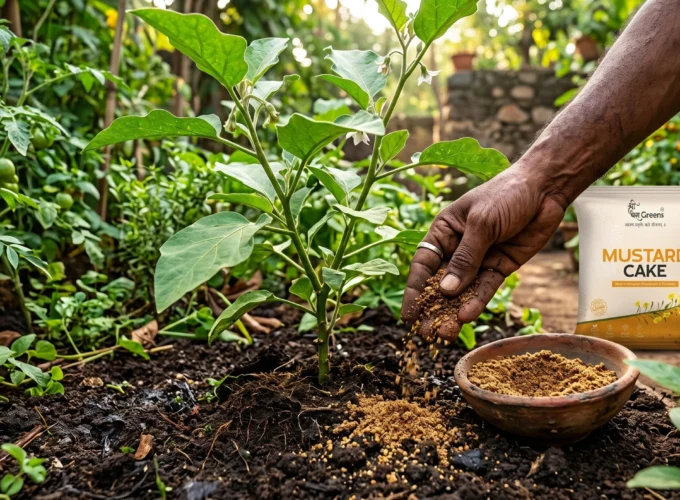
4. Neem Cake Fertilizer
Neem cake is made from neem seeds after oil extraction.
Key advantages:
- Acts as both a fertilizer and a natural pesticide
- Protects roots from pests and fungi
- Improves soil fertility
This is especially useful if your plants suffer from root diseases or insect attacks.
Can Organic Fertilizers Replace Chemical Fertilizers Completely?
Yes—if used correctly.
Organic fertilizers:
- Provide sustained nutrition
- Improve soil over time
- Reduce dependency on chemicals
However, consistency is key. Unlike chemicals, organic options work gradually but give long-lasting results.
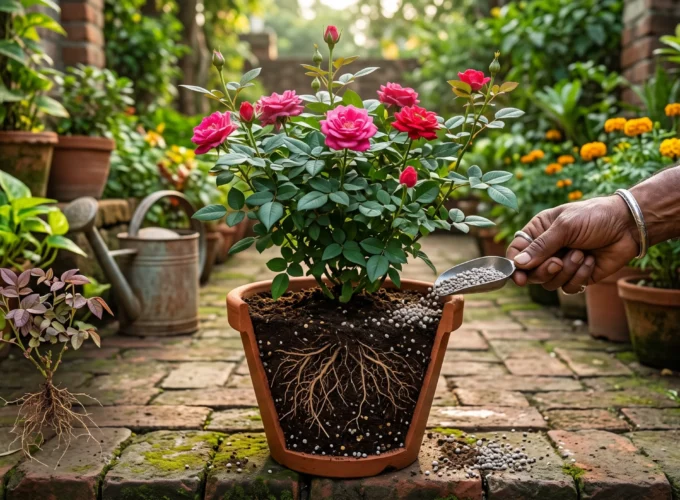
5. Bone Meal
Bone meal is an excellent source of phosphorus and calcium.
Best for:
- Root development
- Flowering plants
- Bulbs and fruit plants
Use it sparingly, as it releases nutrients slowly.
How Often Should I Use Organic Fertilizers in My Garden?
This is one of the most common concerns.
General guideline:
- Every 2–4 weeks for most plants
- Light feeding for indoor plants
- Heavier feeding during the growing season
The idea is to nourish the soil regularly rather than overload it at once.
6. Liquid Organic Fertilizers (Compost Tea)
If you want quick results, liquid fertilizers are a great option.
Made by soaking compost in water, they:
- Deliver nutrients instantly
- Improve plant growth quickly
- Are easy to apply
Why Are My Plants Still Not Growing Even After Using Fertilizer?
Fertilizer alone isn’t always the issue.
Check these factors:
- Sunlight exposure
- Watering habits
- Soil drainage
- Pot size
Even the best organic fertilizers for home garden plants won’t work if the basic conditions aren’t right.
How Do I Choose the Right Organic Fertilizer for My Plants?
Here’s a simple way to decide:
- For overall growth → Vermicompost
- For flowering → Bone meal + banana peel fertilizer
- For pest control → Neem cake
- For soil improvement → Compost
A balanced combination often works best rather than relying on just one type.
Are Organic Fertilizers Safe for Indoor Plants?
Absolutely.
In fact, they are better suited for indoor gardening because:
- No chemical residue
- Odor-free options available
- Gentle on roots
Just make sure to use in small quantities to avoid overfeeding.
Small Changes, Big Growth: Build a Thriving Organic Garden
Creating a healthy garden doesn’t require complicated techniques—it’s about making the right choices consistently.
By using the right mix of organic fertilizers for the home garden, you:
- Improve soil fertility naturally
- Support long-term plant health
- Grow chemical-free, safe produce
Whether you’re a beginner or an experienced gardener, starting with reliable, nutrient-rich options like vermicompost from trusted sources such as Shridhara Greens can make a noticeable difference.
Your plants don’t just need feeding—they need the right kind of care. And once your soil becomes alive with nutrients, you’ll see the results in every leaf, flower, and harvest