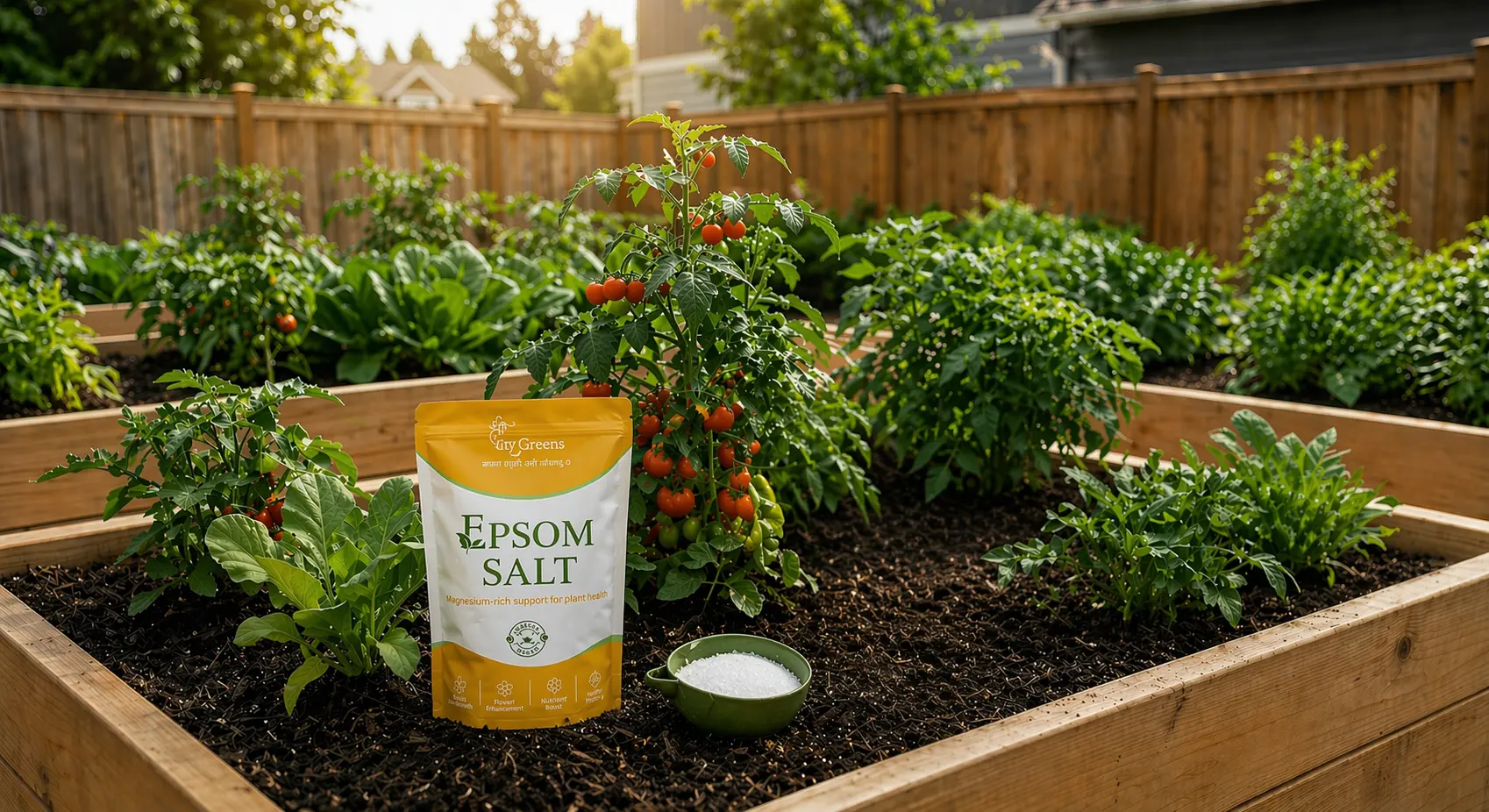
If you’ve ever searched for a simple, affordable way to boost plant health, chances are you’ve come across Epsom Salt Fertilizer. It’s one of those gardening tips that sounds almost too easy—just add salt and your plants thrive.
But does it really work? And more importantly, when and how should you apply Epsom Salt Fertilizer correctly so you actually see results?
Let’s break it down in a clear, practical way so you can use it effectively without harming your plants.
What Is Epsom Salt Fertilizer and Why Do Plants Need It?
Epsom Salt Fertilizer is made of magnesium sulfate, a natural compound containing:
- Magnesium (Mg)
- Sulfur (S)
These are essential nutrients for plant growth.
Magnesium helps plants:
- Perform photosynthesis
- Produce chlorophyll (green pigment)
- Absorb other nutrients better
Sulfur supports:
- Protein formation
- Overall plant health
In simple terms, Epsom Salt Fertilizer works like a nutrient booster, especially when your soil lacks magnesium.
When Should You Use Epsom Salt Fertilizer for Plants?
Timing is everything. Using Epsom Salt Fertilizer at the right stage can make a visible difference.
During Early Growth Stage
Helps young plants develop strong roots and healthy leaves.
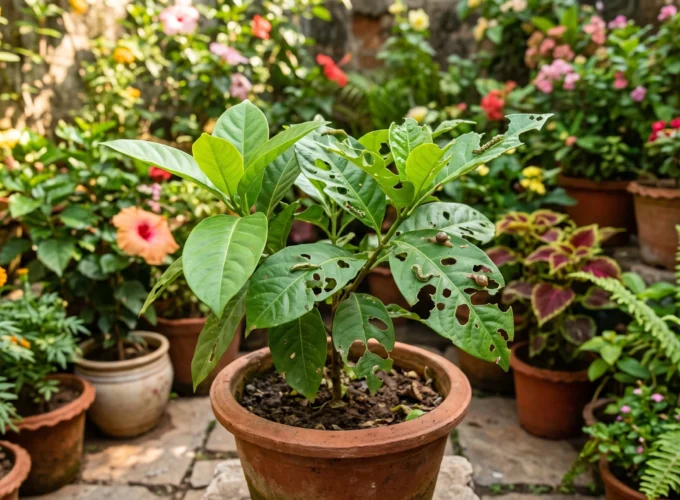
When Leaves Turn Yellow (Magnesium Deficiency)
If you notice:
- Yellowing leaves with green veins
- Slow growth
This could indicate magnesium deficiency, and Epsom Salt Fertilizer can help correct it.
During the Flowering and Fruiting Stage
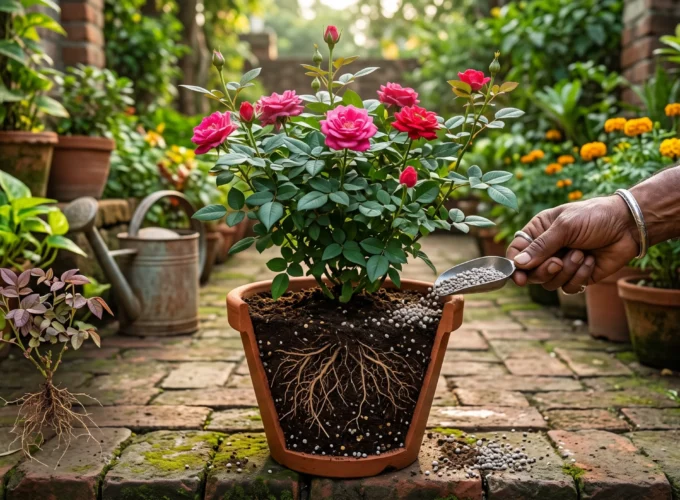
Plants like tomatoes, roses, and peppers benefit the most during this phase.
It helps:
- Improve flowering
- Increase yield
- Enhance color and vitality
How to Apply Epsom Salt Fertilizer Correctly?
This is where most people go wrong. Using too much can harm plants.
Method 1: Soil Application
- Mix 1–2 teaspoons in 1 liter of water
- Pour around the base of the plant
Use once every 2–4 weeks
Method 2: Foliar Spray (Leaf Spray)
- Mix 1 teaspoon in 1 liter of water
- Spray directly on leaves
Best for quick absorption and visible results
Method 3: Direct Soil Mix
- Add a small amount to the soil before planting
Useful for long-term soil enrichment
Which Plants Benefit Most from Epsom Salt Fertilizer?
Not all plants need it—but some respond extremely well.
Best plants for Epsom Salt Fertilizer:
- Tomatoes
- Peppers
- Roses
- Potatoes
- Indoor plants
👉 These plants have higher magnesium needs.
Can Epsom Salt Fertilizer Be Used for Indoor Plants?
Yes—but carefully.
Tips:
- Use a diluted solution
- Apply once a month
- Avoid overuse
Indoor plants are more sensitive, so less is more.
How Often Should You Apply Epsom Salt Fertilizer?
This is one of the most searched questions—and the answer is simple:
Every 2–4 weeks is enough for most plants.
Overuse can:
- Disrupt soil balance
- Affects nutrient absorption
Is Epsom Salt Fertilizer Safe for All Plants?
Not always.
While Epsom Salt Fertilizer is beneficial, it should only be used when needed.
Avoid using it:
- Without checking the soil condition
- As a replacement for regular fertilizer
Think of it as a supplement, not a complete fertilizer.
What Are the Benefits of Using Epsom Salt Fertilizer?
Improves Nutrient Absorption
Helps plants absorb nitrogen and phosphorus more effectively.
Enhances Leaf Color
Boosts chlorophyll production, making leaves greener and healthier.
Promotes Better Flowering
Supports blooming in flowering plants.
Increases Yield
Especially useful for vegetables like tomatoes and peppers.
What Are Common Mistakes to Avoid?
Even though Epsom Salt Fertilizer is easy to use, mistakes can reduce its effectiveness.
Overuse
Too much magnesium can harm plants.
Using Without Deficiency
If the soil already has enough magnesium, it won’t help.
Replacing Regular Fertilizer
Epsom salt is not a complete nutrient solution.
Can Epsom Salt Fertilizer Replace Organic Fertilizers?
No.
👉 It lacks:
- Nitrogen
- Phosphorus
- Potassium
For complete plant nutrition, combine it with organic options like compost or trusted products from brands like Shridhara Greens, which focus on balanced plant nutrition.
How to Know If Your Plants Need Epsom Salt Fertilizer?
Look for these signs:
- Yellow leaves with green veins
- Poor growth
- Weak flowering
These are common indicators of magnesium deficiency.
Is Epsom Salt Fertilizer Good for Tomatoes?
Yes—this is one of the most popular uses.
Benefits for tomatoes:
- Prevents yellowing leaves
- Supports fruit development
- Improves yield
Apply during:
- Planting stage
- Flowering stage
Can You Use Epsom Salt Fertilizer Every Week?
No—that’s a common misconception.
Weekly use can lead to:
- Nutrient imbalance
- Soil issues
Stick to moderate, spaced applications.
Does Epsom Salt Fertilizer Improve Soil Quality?
Not directly like compost.
But it:
- Supports nutrient balance
- Enhances plant performance
For overall soil health, combine it with organic fertilizers.
Apply Epsom Salt Fertilizer the Right Way for Healthier, Greener Plants
Using Epsom Salt Fertilizer correctly can make a noticeable difference in plant health—but only when applied at the right time and in the right amount.
It’s not a magic fix, but when used wisely, it becomes a powerful addition to your gardening routine.
Focus on:
- Correct timing
- Proper dilution
- Balanced nutrition
And your plants will show the results.