If you’ve ever stood in a garden store or browsed online, wondering—
“Should I use fertilizer or a growth promoter for my plants?”—You’re not alone.
This is one of the most common questions among home gardeners, farmers, and even plant enthusiasts. And the confusion makes sense: both products claim to improve plant growth, but they work in very different ways.
So let’s simplify it.
In this guide, you’ll clearly understand the difference between fertilizer and growth promoter, when to use each, and how to get the best results for your plants.
What Is Fertilizer and What Does It Do for Plants?
Fertilizers are substances that provide essential nutrients to plants, mainly:
- Nitrogen (N) for leaf growth
- Phosphorus (P) for roots and flowering
- Potassium (K) for overall plant health
Think of fertilizers as food for plants.
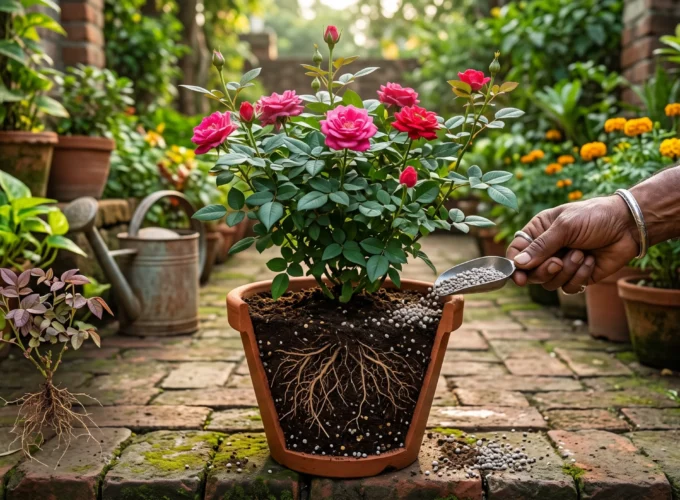
They directly supply nutrients that may be missing in the soil, helping plants grow stronger, greener, and more productive.
What Is a Growth Promoter in Plants?
A growth promoter, on the other hand, doesn’t “feed” the plant directly.
Instead, it:
- Stimulates natural plant processes
- Enhances nutrient absorption
- Improves plant metabolism
Think of growth promoters as boosters that help plants use nutrients better.
They often contain:
- Plant hormones (like auxins, gibberellins)
- Amino acids
- Seaweed extracts
- Microbial formulations
Fertilizer vs Growth Promoter: What’s the Key Difference?
This is the core question—and here’s the simplest way to understand it:
- Fertilizer = Nutrient supplier
- Growth promoter = Growth enhancer
Fertilizers provide what plants need to grow.
Growth promoters help plants use those nutrients more efficiently.
You don’t choose one over the other—you often use both together.
Which Is Better: Fertilizer or Growth Promoter?
This depends on your goal.
Use Fertilizer when:
- Soil lacks nutrients
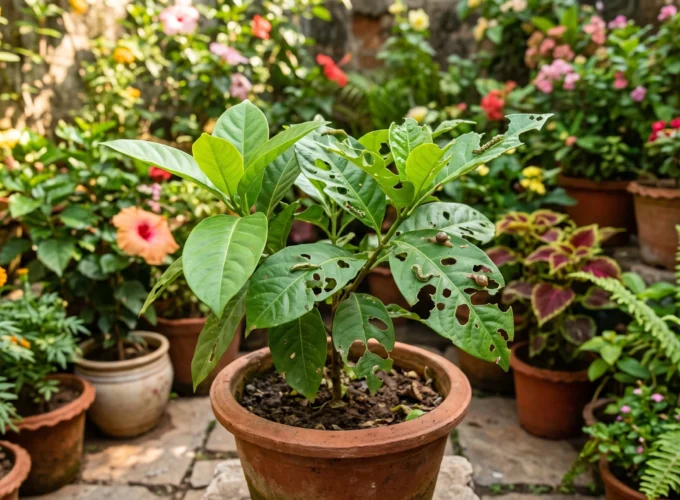
- Plants show deficiency (yellow leaves, slow growth)
- You want basic growth support
Use Growth Promoter when:
- Plants need a boost
- You want faster growth or better yield
- You want to improve flowering or fruiting
For best results: combine both strategically.
Can Growth Promoters Replace Fertilizers?
Short answer: No.
Growth promoters cannot replace fertilizers because:
- They don’t provide essential nutrients
- They only enhance existing processes
Without nutrients, there’s nothing to “boost.”
Why Are My Plants Not Growing Even After Using Fertilizer?
This is a highly searched question—and a very common issue.
Possible reasons:
- Poor soil quality
- Incorrect fertilizer dosage
- Lack of sunlight or water
- No growth stimulation
This is where growth promoters can help.
They improve:
- Nutrient uptake
- Root development
- Overall plant efficiency
When Should You Use Fertilizer vs Growth Promoter?
Timing matters more than most people think.
Fertilizer Timing
- During planting
- Early growth stage
- Regular feeding schedule
Growth Promoter Timing
- Before flowering
- During stress (heat, transplanting)
- To boost yield
Using them at the right stage makes a huge difference.
What Are the Benefits of Using Growth Promoters?
Growth promoters can:
- Improve root development
- Increase flowering and fruiting
- Enhance stress resistance
- Boost overall plant health
They’re especially useful for:
- Organic gardening
- High-yield farming
- Seasonal crops
What Are the Benefits of Fertilizers?
Fertilizers:
- Provide essential nutrients
- Support steady growth
- Improve plant strength
- Increase productivity
Without fertilizers, plants struggle to grow properly.
Can You Use Fertilizer and Growth Promoter Together?
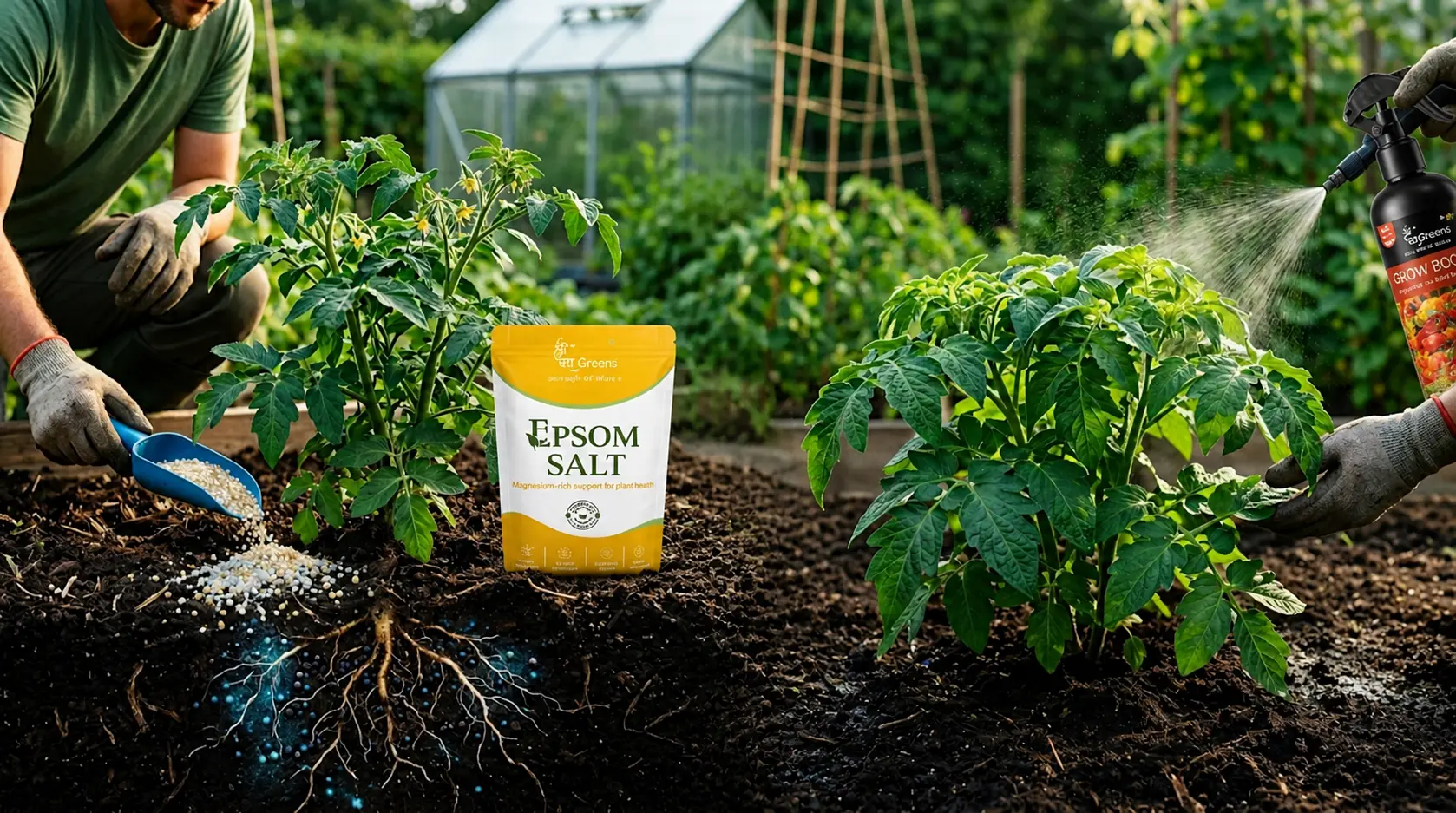
Yes—and this is actually the best approach.
When used together:
- Fertilizers provide nutrients
- Growth promoters improve absorption
Result: healthier, faster-growing plants
This combination is widely recommended by experts at Shridhara Greens, where balanced plant nutrition and growth support go hand in hand.
What Are Common Mistakes People Make?
Avoid these common mistakes:
- Overusing fertilizer can damage plants)
- Ignoring soil condition
- Using growth promoters without nutrients
- Not following dosage instructions
More is not always better—balance is key.
How Do You Choose the Right Product for Your Plants?
Here’s a simple approach:
- Check your soil condition
- Identify plant needs
- Choose a fertilizer for nutrition
- Add a growth promoter for enhancement
Always match the product to your plant’s stage and condition.
Are Growth Promoters Safe for Organic Farming?
Many growth promoters are:
- Organic
- Eco-friendly
- Safe for soil health
Look for:
- Seaweed-based products
- Bio-stimulants
- Natural formulations
These support sustainable farming practices.
How Do the Fertilizer and Growth Promoter Impact Yield?
When used correctly:
- Fertilizers improve plant size and strength
- Growth promoters improve efficiency and output
👉 Together, they can significantly increase yield and quality.
Grow Smarter, Not Just Faster
Here’s the real takeaway:
Understanding the difference between fertilizer vs growth promoter is not just about choosing products—it’s about understanding your plants.
- Fertilizers feed your plants
- Growth promoters empower them
When you use both wisely, you’re not just growing plants…
You’re creating the perfect environment for them to thrive, naturally and effectively.