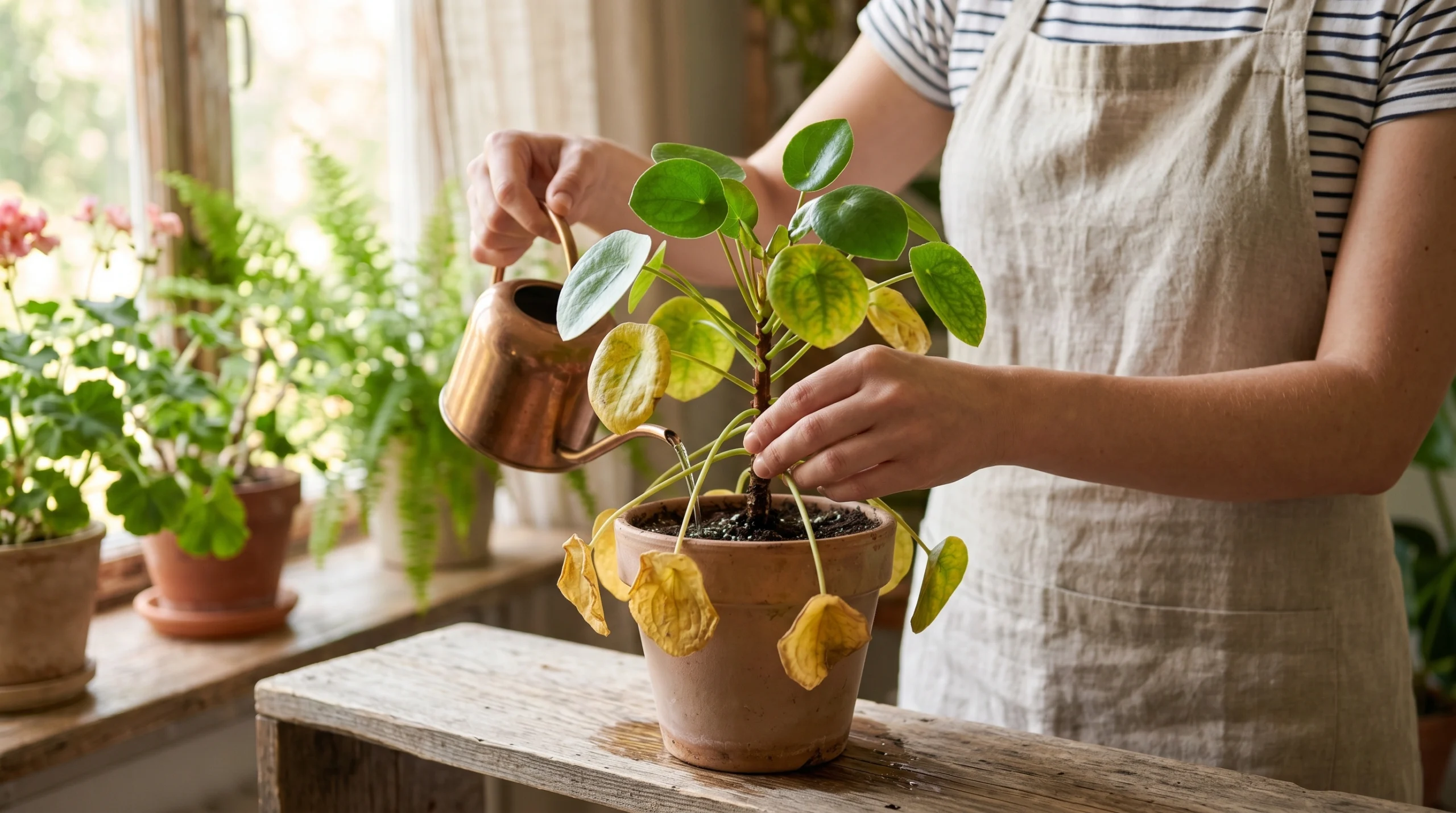
One of the most common gardening questions is:
How often should I water my plants?
The answer may surprise you.
There is no single watering schedule that works for every plant.
Some plants need frequent watering, while others prefer the soil to dry slightly before the next watering. Many plant problems actually happen not because of pests or fertilizer issues, but because of incorrect watering.
In fact, both:
- Overwatering
- Underwatering
can damage plants.
Understanding when and how often to water plants is one of the most important gardening skills for healthy plant growth.
In this guide, you will learn:
- How often to water plants
- Signs of overwatering and underwatering
- Watering tips for indoor and outdoor plants
- Seasonal watering schedules
- Common watering mistakes gardeners make
For premium gardening products and plant care solutions, visit Shridhara Greens.
Why Proper Watering Matters
Water is essential for plants because it supports:
- Nutrient movement
- Photosynthesis
- Root development
- Flowering and growth
- Temperature regulation
Without proper watering, plants struggle to absorb nutrients and stay healthy.
However:
More water does not always mean healthier plants.
Too much water may be just as harmful as too little.
How Often Should You Water Plants?
The correct watering frequency depends on several factors:
- Plant type
- Pot size
- Soil type
- Weather
- Sunlight exposure
- Indoor or outdoor location
Instead of following a fixed calendar, gardeners should observe soil moisture and plant needs.
Indoor Plants: Watering Frequency
Indoor plants generally need less water than outdoor plants because they experience:
- Less sunlight
- Reduced evaporation
- Controlled environments
Common indoor plants include:
- Money plant
- Snake plant
- Peace lily
- Pothos
Most indoor plants prefer:
- Slightly moist soil
- Good drainage
- Balanced watering
Always check the soil before watering.
Outdoor and Garden Plants
Outdoor plants often need more frequent watering because they face:
- Sunlight
- Wind
- Heat
- Faster evaporation
Garden plants, vegetables, and flowering plants may require closer monitoring during summer.
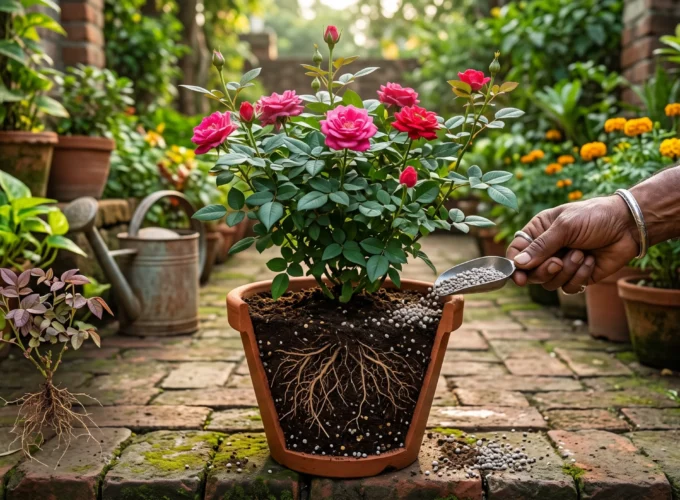
Potted Plants vs Ground Plants
This is an important difference.
Potted Plants
Container plants dry faster because:
- Limited soil volume
- Faster drainage
- Heat exposure
Balcony and terrace gardens often need more regular watering.
Ground Plants
Garden soil holds moisture longer.
Ground plants usually experience:
- Deeper moisture retention
- Larger root systems
- Slower drying
This often reduces watering frequency.
How Indian Weather Affects Watering
Climate plays a major role.
Summer Watering
Indian summers can increase:
- Soil drying
- Heat stress
- Water evaporation
Plants may require more frequent monitoring during hot periods.
Morning watering is often preferred.
Monsoon Watering
During rainy weather:
- Soil remains wetter
- Drainage becomes important
- Overwatering risk increases
Always check the moisture before watering.
Winter Watering
Winter usually slows plant growth.
This means:
- Lower water demand
- Slower evaporation
- Reduced watering frequency
Overwatering becomes more common during winter.
Best Time to Water Plants
This is another common question.
Morning is usually the best time to water plants.
Morning watering helps:
- Reduce evaporation
- Support nutrient uptake
- Prepare plants for daytime heat
It also allows excess moisture to dry gradually.
Should You Water Plants at Night?
Night watering is sometimes possible, but excess moisture may:
- Reduce airflow
- Encourage fungal issues
- Keep the roots too wet
Morning watering is usually safer.
How to Know If Plants Need Water
Instead of watering blindly, observe plant and soil conditions.
Check Soil Moisture
This is the most reliable method.
If the soil feels:
- Dry near the surface
- Light and crumbly
watering may be needed.
If soil feels:
- Wet
- Sticky
- Heavy
wait before watering again.
Signs of Underwatering
Plants lacking water may show:
- Wilting
- Dry leaves
- Crispy edges
- Drooping stems
Growth may slow down.
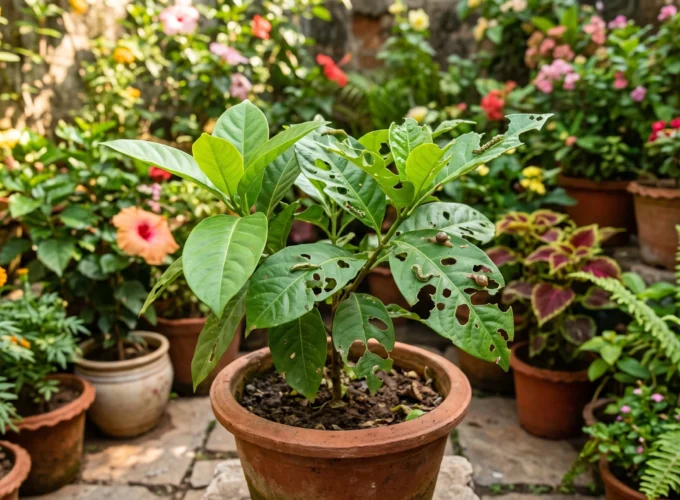
Signs of Overwatering
Overwatering is extremely common.
Symptoms include:
- Yellow leaves
- Soft stems
- Fungal growth
- Root rot
- Leaf drop
Too much water reduces oxygen around roots.
Why Overwatering Is Dangerous
Many gardeners assume:
“If water is good, more water must be better.”
This is incorrect.
Roots need:
- Water
- Oxygen
Waterlogged soil reduces oxygen and weakens root systems.
Poor drainage combined with overwatering may cause serious plant stress.
Watering Tips for Healthier Plants
Follow these simple practices:
Water Deeply
Deep watering encourages stronger roots.
Avoid shallow surface sprinkling.
Use Well-Draining Soil
Healthy soil improves water balance.
Materials like:
- Cocopeat
- Compost
- Perlite
can improve drainage.
Match Watering to Plant Type
Different plants have different needs.
Succulents and cacti need less water compared to flowering plants or vegetables.
Avoid Watering by Habit
Plants should not be watered only because:
- It is a certain day
- The schedule says so
Observe moisture first.
Which Plants Need More Water?
Some plants naturally prefer more moisture.
Examples include:
- Peace lily
- Ferns
- Vegetable plants
- Flowering annuals
These plants may dry faster.
Which Plants Need Less Water?
Low-water plants include:
- Snake plant
- Succulents
- Cactus
- ZZ plant
These plants dislike constantly wet soil.
Common Watering Mistakes
Watering Every Day Automatically
Daily watering is not always necessary.
Ignoring Drainage
Without drainage holes, roots remain wet.
Using Heavy Compacted Soil
Poor aeration increases overwatering risk.
Watering Leaves Instead of Soil
Roots absorb water, not leaves.
Soil watering is usually more effective.
How Healthy Soil Improves Watering Efficiency
Healthy soil supports:
- Moisture retention
- Drainage balance
- Root health
Organic matter such as:
- Compost
- Cocopeat
- Organic fertilizers
can improve soil performance naturally.
Explore gardening solutions at Shridhara Greens.
Frequently Asked Questions
How often should I water indoor plants?
Most indoor plants need watering based on soil moisture rather than fixed schedules.
Is watering every day good for plants?
Not always. Daily watering may cause overwatering depending on plant type and weather.
What is the best time to water plants?
Morning is usually the best time.
How do I know if I am overwatering?
Yellow leaves, soggy soil, and fungal growth are common signs.
Do potted plants need more water?
Yes. Containers often dry faster than garden soil.
Final Thoughts
So, how often should you water your plants?
The best answer is:
Water according to your plant’s needs — not just the calendar.
Healthy watering depends on:
- Soil moisture
- Plant type
- Season
- Pot size
- Weather conditions
By observing your plants and avoiding overwatering, you can support:
- Stronger roots
- Healthier foliage
- Better flowering
- Long-term plant growth
For Indian gardeners, proper watering remains one of the most important steps toward healthier and thriving plants.
For trusted gardening products and plant care solutions, visit Shridhara Greens and support healthier gardening naturally.