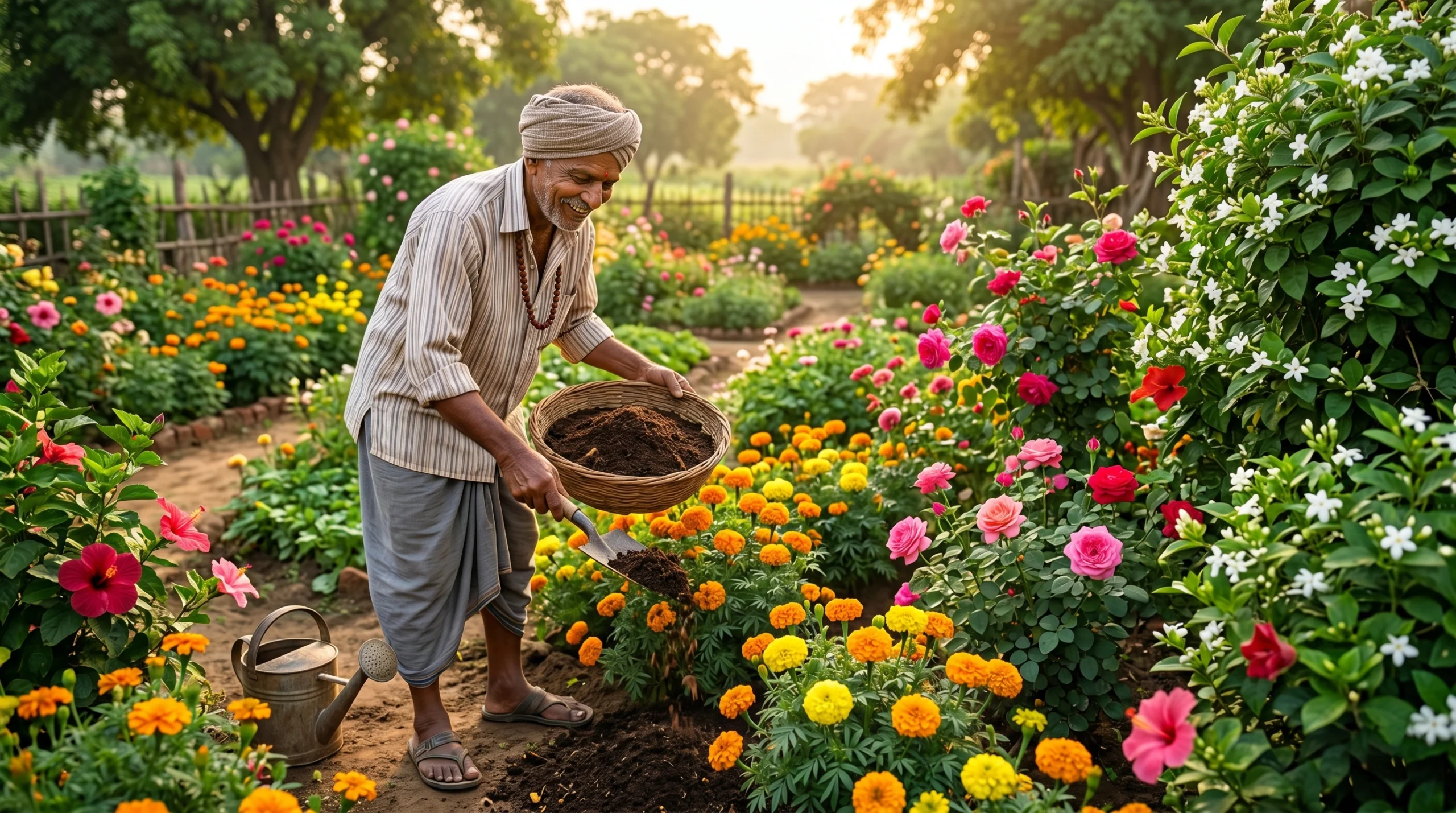
Nothing is more rewarding for a gardener than seeing plants covered in vibrant blooms.
Whether you grow:
- Roses
- Hibiscus
- Jasmine
- Marigold
- Bougainvillea
- Seasonal flowering plants
Healthy flowers instantly make any balcony, terrace, garden, or indoor space more beautiful.
However, many gardeners face a common frustration:
“My plant is growing leaves, but it’s not producing enough flowers.”
The first reaction is often to buy stronger fertilizers or chemical bloom boosters.
But here’s the truth:
Plants can produce abundant flowers naturally when their basic growing conditions are optimized.
In fact, excessive chemical fertilizers often lead to lush green leaves with fewer flowers.
The secret to continuous flowering lies in creating the right balance of sunlight, soil health, watering, nutrition, and plant care.
In this guide, you’ll learn how to increase flowering naturally and help your plants bloom more without depending on chemical fertilizers.
For premium gardening products and plant care solutions, visit https://shridharagreens.com/.
Why Plants Stop Producing Flowers
Before learning how to increase blooms, it’s important to understand why flowering decreases.
Most flowering problems occur because of:
- Insufficient sunlight
- Poor soil health
- Incorrect watering
- Lack of organic nutrients
- Root stress
- Poor pruning practices
- Seasonal changes
When these issues are corrected, plants naturally redirect energy toward flower production.
Give Your Plants Enough Sunlight
This is the most overlooked reason for poor flowering.
Many flowering plants need:
5–8 Hours of Direct Sunlight Daily
Flowering plants such as:
- Rose
- Hibiscus
- Bougainvillea
- Marigold
- Mogra
perform best when they receive adequate sunlight.
Signs of insufficient sunlight:
- Long weak stems
- Large leaves
- A few flower buds
- Slow blooming
If your flowering plants are in deep shade, moving them to a brighter location can dramatically improve flowering.
Improve Soil Health Naturally
Healthy flowers start with healthy roots.
Unfortunately, many gardeners focus only on fertilizers while ignoring soil quality.
Over time, soil can become:
- Compact
- Nutrient depleted
- Poorly aerated
This limits root growth and reduces flowering.
Improve soil naturally by adding:
- Vermicompost
- Organic compost
- Cocopeat
- Neem cake
- Organic growing media
Healthy soil improves:
- Root development
- Water retention
- Nutrient availability
- Flower production
Use Organic Fertilizers Instead of Chemical Fertilizers
Many chemical fertilizers contain high nitrogen levels.
While nitrogen encourages leaf growth, excessive amounts can reduce flowering.
This often results in:
More leaves, fewer flowers.
Organic fertilizers provide gradual nutrition and support overall plant health.
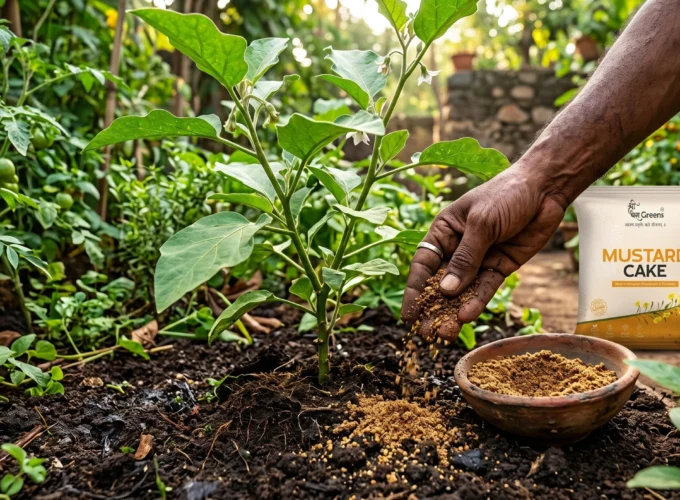
Popular organic options include:
- Vermicompost
- Neem cake fertilizer
- Mustard cake fertilizer
- Organic compost
These improve both soil quality and flowering potential.
Prune Your Plants Regularly
Pruning is one of the simplest ways to encourage more blooms.
Removing:
- Dead flowers
- Dry branches
- Weak stems
helps the plant focus energy on producing new growth and flowers.
Deadheading is especially useful
Deadheading means removing faded flowers before they produce seeds.
This encourages many flowering plants to bloom repeatedly.
Avoid Overwatering
One of the biggest flowering mistakes is excessive watering.
Many gardeners assume:
More water equals more flowers.
The opposite is often true.
Overwatering can cause:
Root stress
- Yellow leaves
- Reduced flowering
- Bud drop
Instead:
Water according to the plant’s needs
Check soil moisture before watering.
Healthy roots support healthy blooms.
Use Natural Flower Boosters
Several organic materials naturally support flowering.
Vermicompost
Provides balanced nutrition and improves microbial activity.
Neem Cake
Supports soil health and root development.
Compost
Adds organic matter and improves nutrient retention.
These natural inputs work gradually but create long-term flowering benefits.
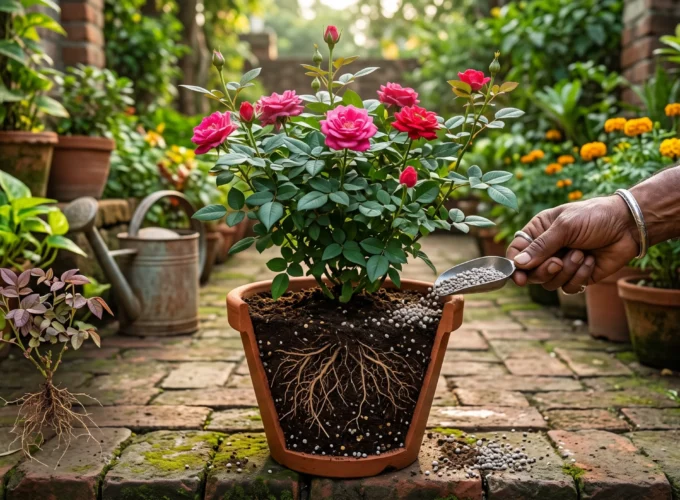
Encourage Strong Root Development
Flowers are produced above the soil, but the process starts below it.
Weak roots often lead to:
- Fewer flowers
- Smaller blooms
- Bud drop
Healthy roots require:
- Aerated growing media
- Proper drainage
- Organic matter
- Consistent moisture
The stronger the root system, the better the flowering performance.
Give Plants Enough Space
Crowded plants compete for:
- Sunlight
- Water
- Nutrients
- Air circulation
This competition often reduces flowering.
Ensure plants have enough room to:
- Spread roots
- Receive sunlight
- Develop healthy branches
Proper spacing improves both plant health and flower production.
Manage Stress During Extreme Weather
Indian gardeners often face challenges such as:
Summer Heat
Excessive heat can cause flower buds to drop.
Heavy Monsoon Rain
Constantly wet soil may reduce blooming.
Winter Slowdown
Some flowering plants naturally reduce activity during cooler months.
Providing proper care during seasonal changes helps maintain flowering performance.
Choose the Right Growing Media
The growing media directly affects:
- Root health
- Moisture balance
- Nutrient availability
- Flower production
A quality growing mix often contains:
- Cocopeat
- Vermicompost
- Compost
- Perlite
This combination helps roots stay healthy and productive.
Poor-quality soil is one of the most common reasons flowering plants underperform.
Best Flowering Plants for Indian Home Gardens
If you’re looking for reliable bloomers, consider:
Roses
Continuous flowering with proper care.
Hibiscus
Produces large flowers throughout much of the year.
Marigold
Easy to grow and highly productive.
Bougainvillea
Thrives in sunny locations.
Jasmine (Mogra)
Fragrant blooms and a long flowering season.
These plants respond particularly well to natural gardening methods.
Common Mistakes That Reduce Flowering
Avoid these common errors:
❌ Too much nitrogen fertilizer
❌ Poor sunlight
❌ Overwatering
❌ Ignoring pruning
❌ Using compacted soil
❌ Neglecting root health
Correcting even one of these issues can significantly improve blooming.
Frequently Asked Questions
How can I increase flowering naturally?
Focus on sunlight, healthy soil, organic fertilizers, proper watering, and pruning.
Why do my plants have leaves but no flowers?
Common reasons include low sunlight, excessive nitrogen, poor soil, or inadequate pruning.
Can organic fertilizers improve flowering?
Yes. Organic fertilizers improve soil health and provide balanced nutrition that supports flowering.
How much sunlight do flowering plants need?
Most flowering plants perform best with 5–8 hours of sunlight daily.
Is pruning important for flowering?
Yes. Pruning encourages new growth and helps many plants produce more flowers.
Final Thoughts
If you want more flowers without relying on chemical fertilizers, focus on creating healthy growing conditions rather than searching for quick fixes.
Remember:
✔ Provide adequate sunlight
✔ Improve soil health
✔ Use organic fertilizers
✔ Water correctly
✔ Prune regularly
✔ Support healthy roots
When plants receive the right care, flowering becomes a natural result.
The most beautiful gardens are not created by chemical shortcuts—they are built through healthy soil, strong roots, and consistent plant care.
For premium gardening products and organic plant care solutions, visit https://shridharagreens.com/ and help your plants bloom naturally throughout the year.