Healthy plants need balanced nutrition to grow properly. While many gardeners focus on watering and sunlight, nutrient deficiencies often become the hidden reason behind poor plant performance.
One of the most overlooked problems is:
Phosphorus deficiency
Phosphorus is an essential plant nutrient responsible for:
- Root development
- Flowering
- Fruiting
- Energy transfer
- Overall plant strength
When plants lack phosphorus, growth slows down and visible symptoms begin to appear.
Many gardeners mistake these signs for:
- Watering issues
- Pest attacks
- Weather stress
But the real issue may be nutrient deficiency.
The good news is:
Phosphorus deficiency can often be corrected with proper phosphorus nutrition and healthy soil management.
This is where PROM fertilizer becomes useful.
In this guide, you will learn:
- What phosphorus deficiency looks like
- Common symptoms
- Why does phosphorus deficiency happen
- How PROM fertilizer helps
- Best ways to apply phosphorus fertilizer
For premium plant nutrition solutions and phosphorus fertilizers, visit Shridhara Greens and explore the specialized PROM Fertilizer Collection.
What Is Phosphorus Deficiency?
Phosphorus deficiency occurs when plants cannot access enough phosphorus for healthy growth.
This may happen because:
- Soil lacks phosphorus
- Roots cannot absorb nutrients properly
- Soil conditions lock phosphorus
Since phosphorus supports critical plant processes, deficiency affects both growth and productivity.
Why Phosphorus Is Important for Plants
Phosphorus plays a major role in:
Root Development
Strong roots help plants:
- Absorb water
- Access nutrients
- Anchor properly
Flowering and Fruiting
Flower and fruit production depend heavily on balanced phosphorus nutrition.
Plant Energy Movement
Phosphorus helps transfer energy inside plants, supporting healthy growth.
Seed and Crop Development
Seed formation and crop quality improve when phosphorus is available.
Without sufficient phosphorus, plants struggle internally.
How to Identify Phosphorus Deficiency in Plants
Plants usually show several warning signs.
Recognizing them early helps prevent serious growth problems.
1. Slow or Stunted Growth
One of the earliest symptoms is:
Reduced Growth
Plants may appear:
- Smaller
- Weak
- Slow-growing
Even with sunlight and watering, growth remains poor.
This happens because phosphorus supports energy transfer and root development.
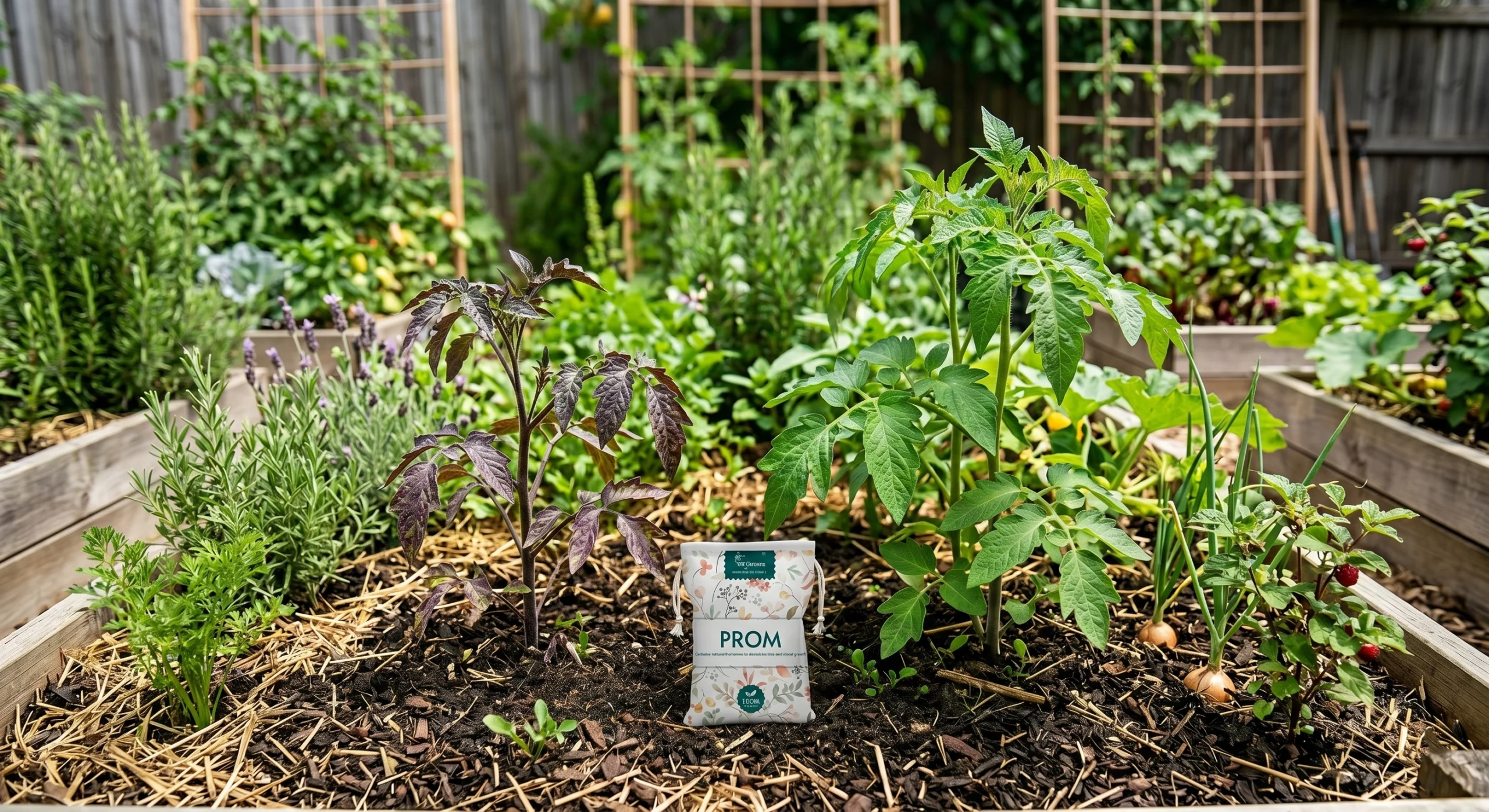
2. Dark Green or Purple Leaves
This is one of the most recognizable phosphorus deficiency symptoms.
Leaves may become:
- Dark green
- Bluish-green
- Purple
- Reddish
This discoloration often appears on:
- Older leaves
- Lower foliage
However, symptoms vary depending on plant type.
3. Weak Root Development
Phosphorus is strongly connected with root growth.
Deficient plants may develop:
- Weak roots
- Poor transplant establishment
- Limited root spread
Weak roots reduce nutrient uptake further.
4. Poor Flowering
Flowering plants commonly show phosphorus deficiency through:
- Fewer flowers
- Delayed blooming
- Small flower size
This becomes noticeable in flowering garden plants.
5. Reduced Fruiting
Fruit-bearing plants may produce:
- Fewer fruits
- Smaller fruits
- Weak fruit set
Phosphorus is important during the flowering and fruiting stages.
Which Plants Commonly Show Phosphorus Deficiency?
Phosphorus deficiency may appear in:
Flowering Plants
- Rose
- Hibiscus
- Jasmine
Vegetable Plants
- Tomato
- Chili
- Brinjal
- Leafy vegetables
Fruit Plants
- Lemon
- Guava
- Papaya
Terrace Garden Plants
Container plants often experience faster nutrient depletion.
Why Phosphorus Deficiency Happens
Many gardeners assume deficiency only means fertilizer shortage.
But several factors may reduce phosphorus availability.
Poor Soil Fertility
Low-fertility soil may naturally contain less available phosphorus.
Improper Soil pH
Highly acidic or alkaline soil may lock phosphorus and reduce absorption.
Cold or Wet Soil
Cool or waterlogged conditions slow nutrient uptake.
Weak Root Systems
Damaged or stressed roots absorb nutrients poorly.
What Is PROM Fertilizer?
PROM stands for:
Phosphate Rich Organic Manure
PROM fertilizer is an organic phosphorus fertilizer made by enriching organic manure with rock phosphate.
It contains:
- Organic matter
- Phosphorus
- Beneficial microbes
- Soil-improving nutrients
Unlike fast chemical fertilizers, PROM supports gradual and sustainable phosphorus release.
How PROM Fertilizer Helps Fix Phosphorus Deficiency
PROM works differently from chemical phosphorus fertilizers.
Gradual Phosphorus Release
PROM releases nutrients slowly.
This provides:
- Stable nutrition
- Reduced nutrient loss
- Better root access
Improves Soil Health
PROM supports:
- Soil microbes
- Organic matter
- Soil fertility
Healthy soil improves phosphorus availability naturally.
Supports Root Recovery
Healthy roots absorb nutrients more effectively.
PROM improves:
- Root activity
- Soil structure
- Long-term nutrient efficiency
Suitable for Organic Gardening
PROM is highly preferred in:
- Organic farming
- Terrace gardening
- Sustainable gardening
because it supports soil naturally.
Explore premium phosphorus nutrition products at Shridhara Greens PROM Fertilizer Collection.
How to Apply PROM Fertilizer
Correct application improves performance.
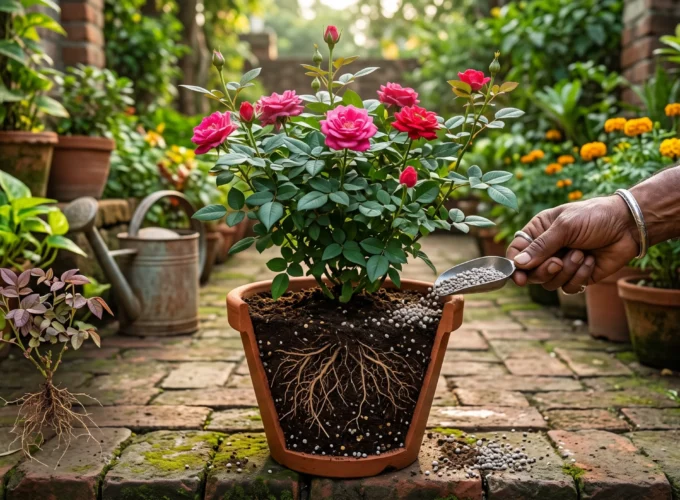
Apply Near Root Zone
Phosphorus works best near active roots.
Mix into Soil
Light incorporation improves nutrient access.
Water Moderately
Balanced watering supports nutrient movement.
Combine with Healthy Soil Practices
Organic matter and drainage improve phosphorus efficiency.
How Long Does PROM Take to Work?
PROM is a slow-release phosphorus fertilizer.
Results may appear gradually through:
- Better root growth
- Improved foliage
- Healthier flowering
- Stronger plants
Organic fertilizers focus on long-term improvement rather than instant results.
PROM vs Fast Chemical Fertilizers
| PROM Fertilizer | Chemical Phosphorus Fertilizer |
| Organic | Synthetic |
| Slow release | Fast release |
| Improves soil | Limited soil improvement |
| Supports microbes | Minimal microbial support |
| Sustainable nutrition | Quick response |
This makes PROM valuable for long-term soil health.
Common Mistakes While Treating Phosphorus Deficiency
Overusing Fertilizer
Excess phosphorus may create an imbalance.
Ignoring Soil Conditions
Healthy soil improves fertilizer performance.
Expecting Instant Results
Organic phosphorus works gradually.
Misdiagnosing Plant Symptoms
Not every yellow or weak plant has phosphorus deficiency.
Observe.
Frequently Asked Questions
What are the signs of phosphorus deficiency?
Slow growth, purple leaves, weak roots, poor flowering, and reduced fruiting are common signs.
What is PROM fertilizer?
PROM is Phosphate Rich Organic Manure, an organic phosphorus fertilizer.
Can PROM fix phosphorus deficiency?
Yes. PROM helps improve phosphorus availability gradually while supporting soil health.
Is PROM suitable for organic gardening?
Yes. PROM is widely used in organic and sustainable gardening.
How quickly does PROM work?
PROM works gradually through soil improvement and nutrient release.
Final Thoughts
Phosphorus deficiency can seriously affect plant growth if ignored.
Watch for signs like:
- Slow growth
- Purple leaves
- Weak roots
- Poor flowering
- Reduced fruiting
Correct diagnosis is important.
PROM fertilizer offers a sustainable solution by improving phosphorus availability while supporting healthier soil and root systems naturally.
For Indian gardeners, terrace gardeners, and organic growers, balanced phosphorus nutrition plays a major role in healthier and more productive plants.
For trusted phosphorus fertilizer and plant nutrition solutions, visit Shridhara Greens and explore the premium PROM Fertilizer Collection for stronger and healthier plant growth.