Cocopeat has become one of the most popular growing media for gardening in India. Whether you are growing indoor plants, vegetables, flowering plants, herbs, or terrace garden plants, cocopeat is widely used to improve soil quality and support healthier plant growth.
But many beginner gardeners still ask:
How do you use cocopeat correctly for plants?
Some people use too much cocopeat.
Others mix it incorrectly with soil.
Many gardeners even use pure cocopeat and later struggle with weak plant growth.
The truth is:
Cocopeat works best when used in the right proportion with proper soil and organic fertilizers.
When used correctly, cocopeat helps:
- Improve root growth
- Increase moisture retention
- Improve soil aeration
- Support seed germination
- Reduce soil compaction
In this beginner-friendly guide, you will learn:
- What cocopeat is
- How to use cocopeat for plants
- The best cocopeat soil mix ratio
- Benefits of cocopeat
- Common mistakes to avoid
- Best plants for cocopeat gardening
For premium-quality gardening products and cocopeat solutions, visit Shridhara Greens and explore the specialized Cocopeat for Plants Collection.
What Is Cocopeat?
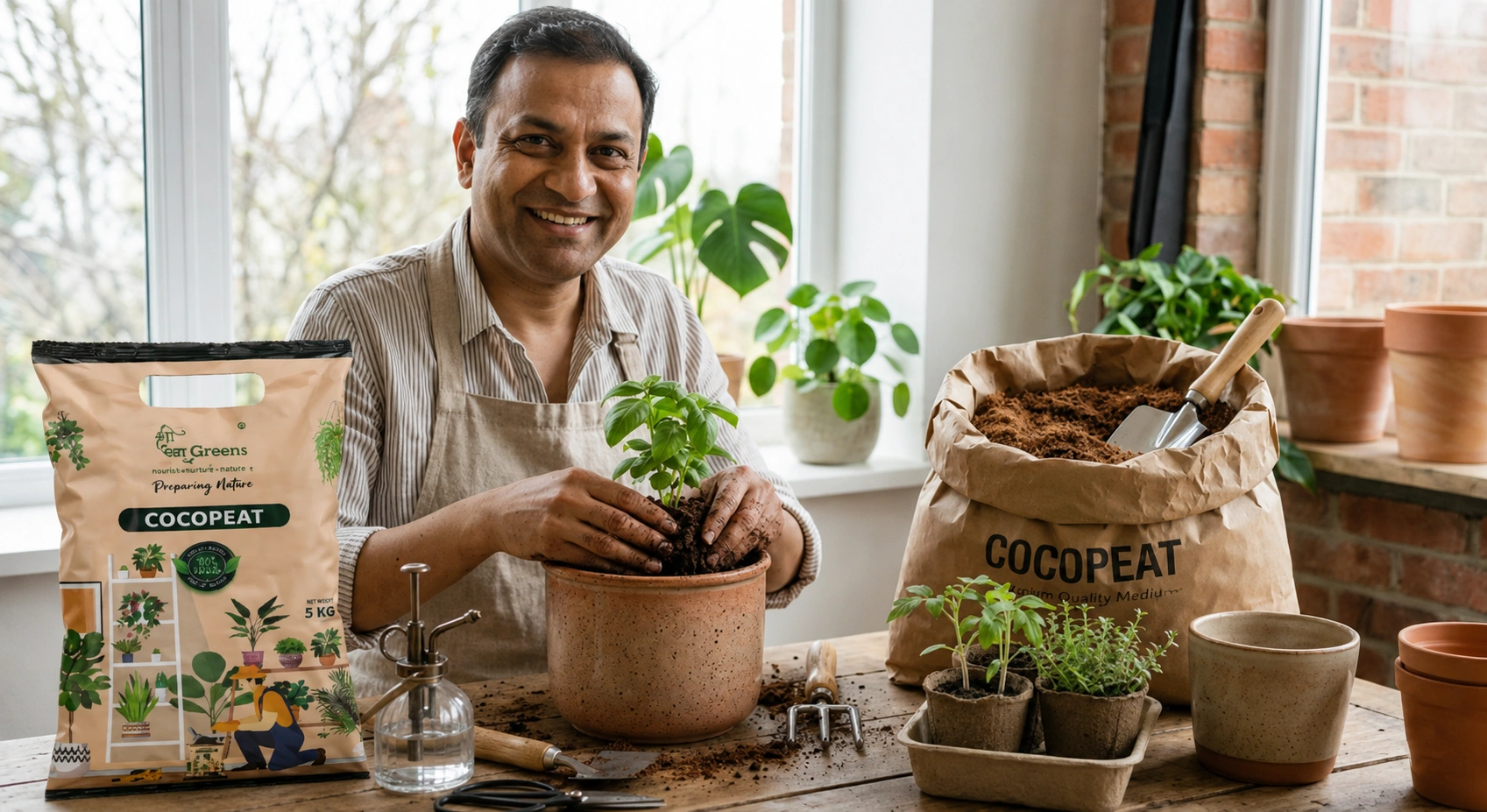
Cocopeat is a natural growing medium made from coconut husk fibers.
It is lightweight, eco-friendly, and highly effective for improving soil quality.
Cocopeat is commonly used in:
- Indoor plant gardening
- Terrace gardening
- Seed germination
- Hydroponics
- Potting mixes
- Nursery cultivation
It is especially popular because it holds moisture well while still allowing good aeration around roots.
Why Cocopeat Is Good for Plants
Cocopeat improves growing conditions in several ways.
Better Water Retention
Cocopeat absorbs and stores moisture effectively.
This helps plants stay hydrated for longer periods, especially during Indian summers.
Improves Soil Aeration
Healthy roots need oxygen.
Cocopeat keeps the soil loose and airy, helping roots grow more efficiently.
Prevents Soil Compaction
Heavy soil often becomes hard over time.
Cocopeat improves soil texture and prevents compaction in pots and grow bags.
Supports Root Development
Roots grow faster in loose, well-aerated growing media.
This improves overall plant health naturally.
Eco-Friendly Growing Medium
Cocopeat is biodegradable and sustainable, making it ideal for organic gardening.
How to Use Cocopeat for Plants
One of the biggest beginner mistakes is using pure cocopeat directly for all plants.
While cocopeat improves soil structure, it contains very few nutrients on its own.
That is why it should usually be mixed with:
- Garden soil
- Compost
- Vermicompost
- Organic fertilizers
for best results.
Best Cocopeat Mix Ratio for Plants
Basic Potting Mix Formula
A beginner-friendly cocopeat mix is:
- 40% garden soil
- 30% cocopeat
- 30% compost or vermicompost
This mix provides:
- Moisture retention
- Nutrient balance
- Good drainage
- Healthy root support
This ratio works well for:
- Indoor plants
- Flowering plants
- Vegetables
- Herbs
- Terrace gardening
Cocopeat Mix for Indoor Plants
Indoor plants prefer lighter potting mixes.
Recommended mix:
- 40% cocopeat
- 30% compost
- 30% soil
This improves:
- Root aeration
- Moisture balance
- Indoor pot drainage
Cocopeat Mix for Seed Germination
For seed starting:
- 50% cocopeat
- 50% compost or vermicompost
This creates a soft and moisture-rich environment for germination.
Cocopeat Mix for Succulents
Succulents need excellent drainage.
Use:
- 20% cocopeat
- 40% sand or perlite
- 40% soil
Too much cocopeat may retain excess moisture for succulents.
How to Prepare Cocopeat Before Use
Compressed cocopeat blocks must first be hydrated.
Step 1: Add Water
Place the cocopeat block in a container and add water gradually.
Step 2: Allow Expansion
Cocopeat expands significantly after absorbing water.
Step 3: Break the Material
Loosen the expanded cocopeat using your hands.
Step 4: Mix with Soil and Compost
Do not use nutrient-deficient cocopeat alone for long-term plant growth.
Best Plants That Grow Well in Cocopeat Mix
Cocopeat works especially well for:
- Money plant
- Pothos
- Snake plant
- Tomato plants
- Chili plants
- Mint
- Coriander
- Rose plants
- Hibiscus
- Indoor foliage plants
It is highly effective for both indoor gardening and terrace gardening.
Benefits of Cocopeat for Terrace Gardening
Terrace gardens face:
- Heat stress
- Faster drying
- Limited soil space
Cocopeat helps by:
- Retaining moisture
- Reducing heat stress
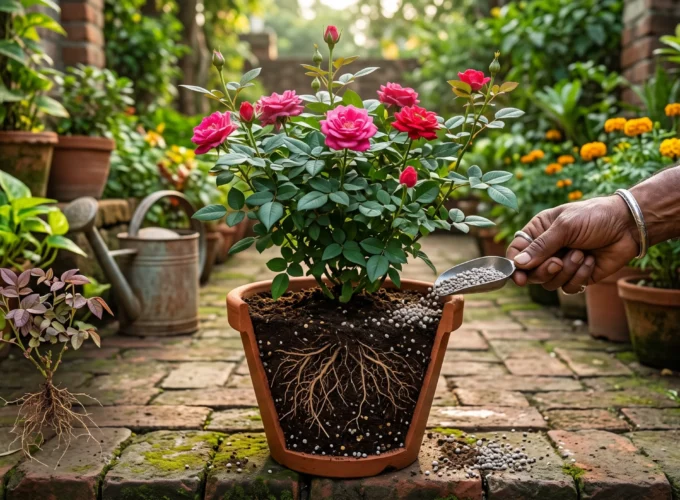
- Improving root growth
- Keeping containers lightweight
This makes it ideal for balcony and rooftop gardening in India.
Common Mistakes While Using Cocopeat
Using Pure Cocopeat Alone
Cocopeat contains very limited nutrients.
Plants need additional organic fertilizers or compost.
Overwatering
Since cocopeat retains water well, excess watering may lead to:
- Root rot
- Fungal growth
- Poor aeration
Ignoring Drainage
Pots must have proper drainage holes.
Not Adding Organic Matter
Always combine cocopeat with compost or organic fertilizer for balanced nutrition.
Cocopeat vs Regular Soil
| Cocopeat | Regular Soil |
| Lightweight | Heavier |
| Excellent moisture retention | Moderate moisture retention |
| Better aeration | May become compacted |
| Cleaner growing medium | May contain pests or weeds |
| Ideal for container gardening | Better for ground planting |
The best results often come from combining both together.
Why Cocopeat Is Popular in India
Indian gardeners increasingly prefer cocopeat because it:
- Works well in hot climates
- Helps terrace gardens
- Supports indoor gardening
- Improves water management
- Reduces soil compaction
It is especially useful for urban gardening where containers and grow bags are common.
Best Organic Additions to Cocopeat Mix
For healthier plants, combine cocopeat with:
- Vermicompost
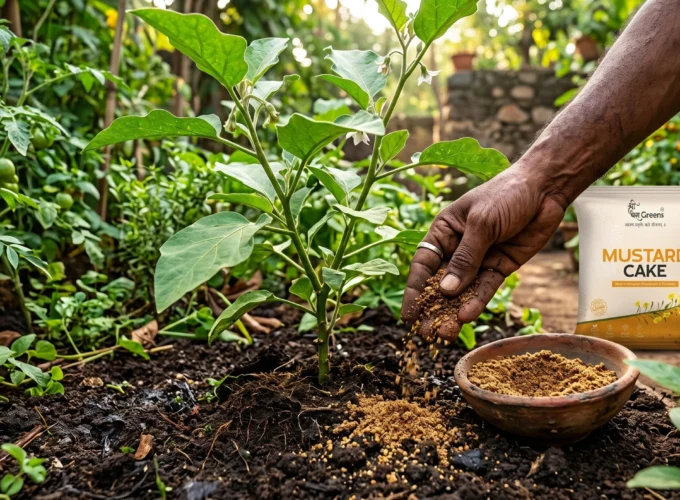
- Neem cake
- Organic compost
- Seaweed fertilizer
- Organic liquid fertilizers
This improves both nutrition and soil health naturally.
Explore premium gardening products and cocopeat solutions at Shridhara Greens Cocopeat Collection.
Frequently Asked Questions
Can cocopeat be used alone for plants?
Cocopeat alone has low nutrients, so it is better mixed with compost and soil for long-term plant growth.
What is the best cocopeat mix ratio?
A common mix is:
- 40% soil
- 30% cocopeat
- 30% compost
Is cocopeat good for indoor plants?
Yes. Cocopeat improves moisture retention and root aeration for indoor plants.
Does cocopeat reduce watering frequency?
Yes. Cocopeat retains moisture longer compared to regular soil.
Is cocopeat good for seed germination?
Yes. Cocopeat provides a soft and moisture-rich environment ideal for seeds.
Final Thoughts
Cocopeat is one of the best growing media for modern gardening, especially for indoor plants, terrace gardens, and container gardening in India.
When mixed correctly with soil and organic fertilizers, cocopeat helps:
- Improve root growth
- Maintain moisture balance
- Prevent soil compaction
- Support healthier plant growth
The key is using the right mix ratio and avoiding overwatering.
For gardeners looking to improve their potting mix naturally, cocopeat provides an eco-friendly and highly effective solution.
If you are looking for premium-quality cocopeat and gardening products, visit Shridhara Greens and explore the specialized Cocopeat for Plants Collection for healthier and naturally thriving plants.