If you’ve ever paused mid-gardening and wondered,
“Should I water plants before or after adding fertilizer?”—You’re not alone.
It sounds like a small detail, but timing your watering correctly can make a huge difference in how effectively your plants absorb nutrients. Do it right, and your plants thrive. Do it wrong, and you risk nutrient loss—or even plant damage.
Let’s simplify this with a clear, practical guide so you know exactly what to do every time.
Should You Water Plants Before or After Fertilizing?
Here’s the simple answer most gardeners are looking for:
Water your plants lightly before adding fertilizer—and again lightly after.
Why?
- Watering before fertilizing moistens the soil
- It prevents root burn from concentrated nutrients
- It helps fertilizer spread evenly
Watering after fertilizing:
- Helps nutrients dissolve
- Improves absorption into the root zone
This two-step approach gives the best results.
Why Is It Important to Water Before Adding Fertilizer?
This is one of the most commonly asked questions—and for good reason.
If you apply fertilizer to dry soil:
- Roots can get damaged (fertilizer burn)
- Nutrients may not distribute evenly
- Plants may struggle to absorb nutrients
Moist soil acts like a cushion, protecting roots.
Can You Add Fertilizer Without Watering First?
Technically, yes—but it’s not recommended.
Adding fertilizer to dry soil can:
- Stress the plant
- Causes uneven nutrient absorption
- Reduce effectiveness
Always ensure the soil is slightly moist before application.
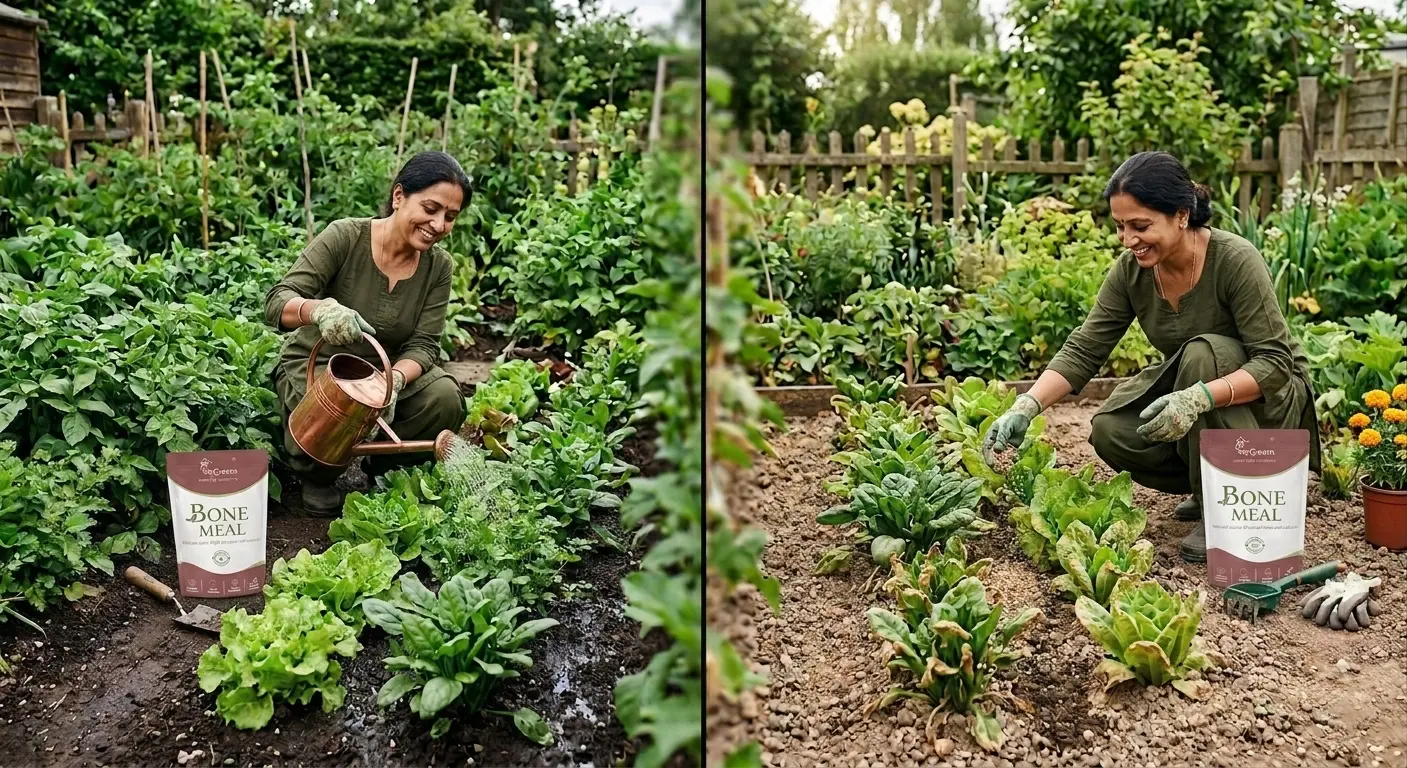
Should You Water Immediately After Applying Fertilizer?
Yes—this step is just as important.
Watering after fertilizing:
- Activates nutrients
- Moves them into the root zone
- Prevents surface buildup
Without watering, nutrients may sit on top of the soil and go to waste.
What Happens If You Don’t Water After Fertilizing?
If you skip this step:
- Fertilizer may not dissolve properly
- Nutrients won’t reach roots effectively
- Plants may not benefit fully
You’re essentially reducing the impact of your fertilizer.
How Much Water Should You Use After Fertilizing?
You don’t need to flood the plant.
👉 Use light to moderate watering:
- Enough to moisten the soil
- Not enough to cause waterlogging
Overwatering can:
- Wash away nutrients
- Reduce effectiveness
Does the Type of Fertilizer Affect Watering?
Yes—this is important.
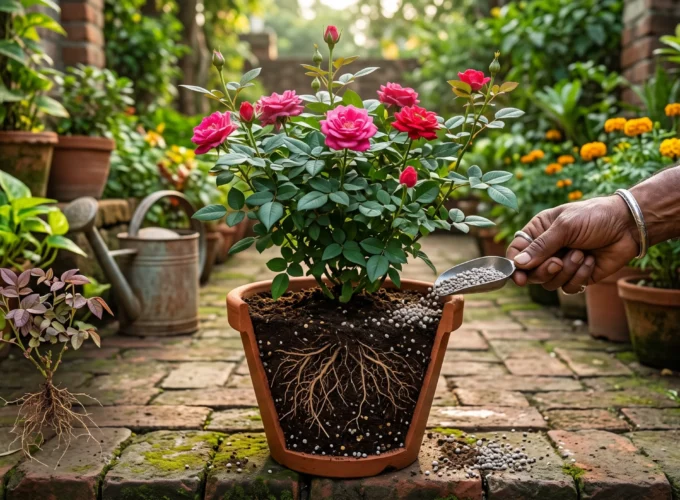
For Granular Fertilizers:
- Always water after application
- Helps dissolve and release nutrients
For Liquid Fertilizers:
- Already diluted
- Usually applied with water
- No extra watering is needed immediately
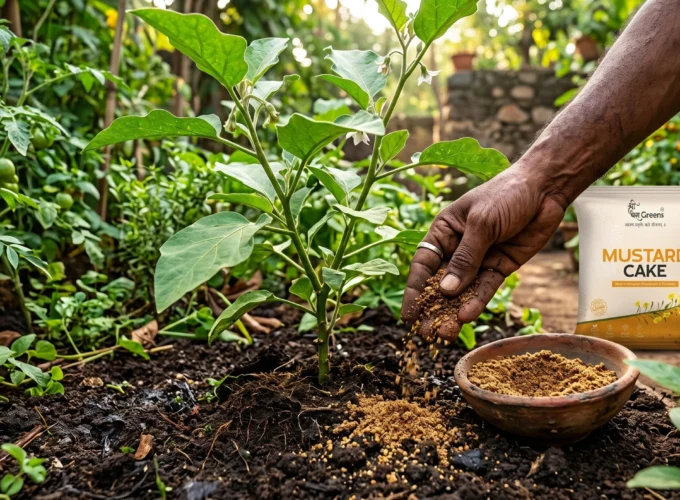
For Organic Fertilizers:
- Light watering helps activate microbial activity
Using high-quality organic options from trusted providers like Shridhara Greens ensures nutrients are released gradually and safely for plants.
Should You Water Indoor Plants Before or After Fertilizing?
Indoor plants require extra care.
👉 Best approach:
- Lightly water before fertilizing
- Apply diluted fertilizer
- Avoid overwatering afterward
Indoor plants are more sensitive, so balance is key.
What Is the Best Time to Water and Fertilize Plants?
Timing matters more than most people think.
Best time:
- Early morning
- Late evening
Avoid:
- Midday heat
👉 This prevents evaporation and improves nutrient absorption.
Can Overwatering Reduce Fertilizer Effectiveness?
Yes—and it’s a common mistake.
Too much water:
- Leaches nutrients out of soil
- Reduces fertilizer efficiency
- Can damage roots
👉 Balance is everything.
How Often Should You Water After Fertilizing?
Stick to your normal watering schedule—but observe your plants.
👉 General rule:
- Don’t overwater immediately after fertilizing
- Let the soil slightly dry before the next watering
Why Are My Plants Not Responding After Fertilizing?
This is a very common concern.
Possible reasons:
- Incorrect watering timing
- Overwatering or underwatering
- Poor soil quality
- Nutrient imbalance
👉 Fertilizer works best when combined with proper watering practices.
What Are Common Mistakes When Watering and Fertilizing?
Avoid these:
- Applying fertilizer to dry soil
- Skipping watering after fertilizing
- Overwatering immediately
- Using too much fertilizer
👉 These mistakes can slow plant growth instead of improving it.
How Do You Know If You’re Doing It Right?
Healthy plants give clear signs:
- Bright green leaves
- Steady growth
- Strong stems
- Better flowering or yield
👉 If your plants look healthy, your watering and fertilizing routine is working.
Can Proper Watering Improve Fertilizer Results?
Absolutely.
Watering is not just a step—it’s a key part of nutrient delivery.
When done correctly:
- Nutrients reach roots efficiently
- Plants absorb them better
- Growth improves significantly
The Secret Isn’t Just Fertilizer—It’s How You Use It
Here’s the real takeaway:
Fertilizer alone doesn’t make plants thrive—how you apply it does.
- Water before to protect roots
- Apply fertilizer correctly
- Water to activate nutrients
This simple routine can completely transform your plant health.
So next time you fertilize your plants, don’t just focus on what you’re adding…
Focus on how you’re helping your plants absorb it—and that’s where real growth begins