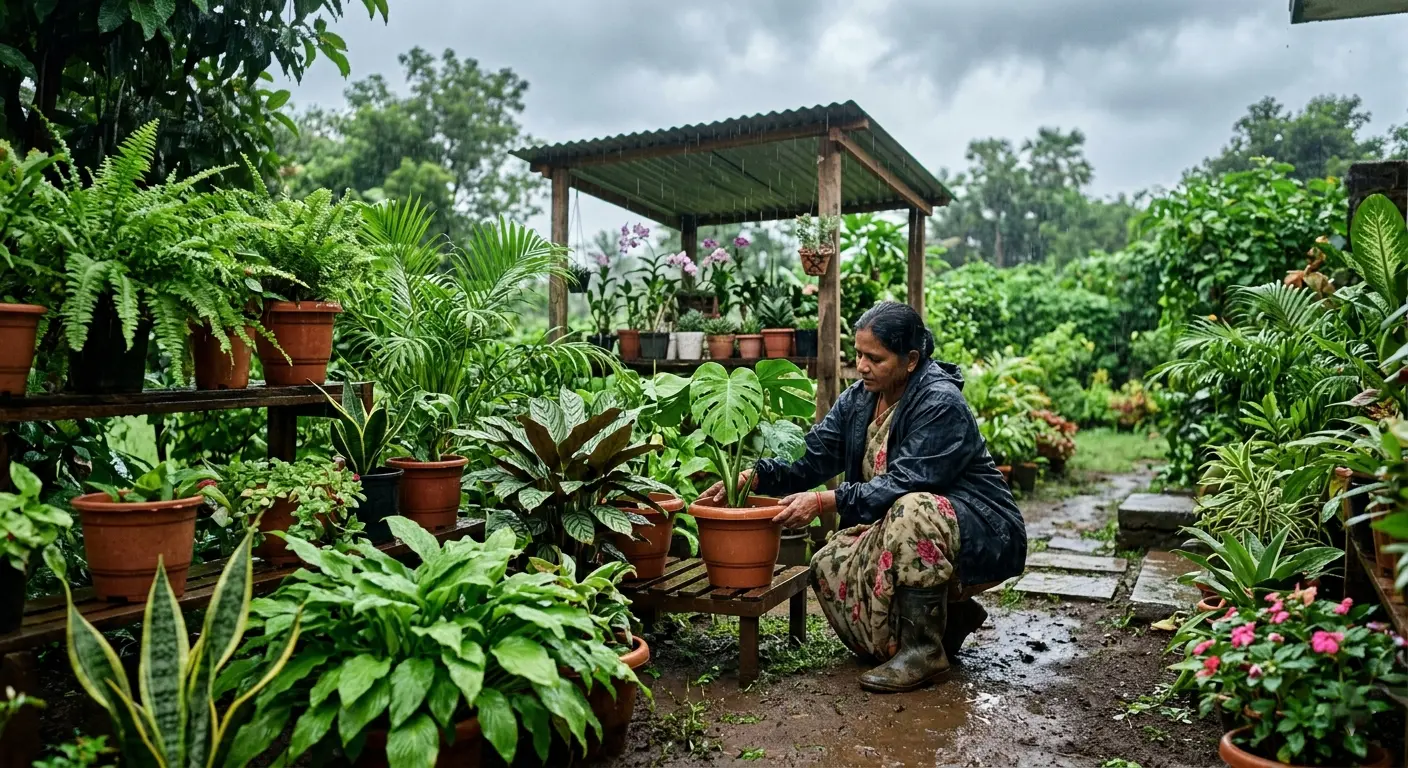
Monsoon brings relief from heat, fresh greenery, and faster plant growth—but it also brings hidden challenges for your plants.
If you’ve ever noticed:
- Yellowing leaves during the rainy season
- Sudden pest attacks
- Root rot or fungal issues
You’re not alone.
So the real question is:
“What changes should you make in plant care during the monsoon?”
Because watering, fertilizing, and even sunlight needs shift during this season.
Let’s break it down in a simple, practical way so your plants don’t just survive the rains—they thrive.
Why Does Plant Care Need to Change During Monsoon?
This is one of the most searched questions.
During monsoon:
- Soil stays wet for longer
- Sunlight is reduced
- Humidity increases
- Pest and fungal activity rise
👉 These changes directly affect plant health.
If you follow the same routine as summer, you may unknowingly harm your plants.
Should You Water Plants During Monsoon?
This is the biggest confusion for gardeners.
Do plants need watering in the rainy season?
Yes—but much less than usual.
Why?
- Rain already provides moisture
- Overwatering can cause root rot
What should you do?
- Check the soil before watering
- Water only when the topsoil is dry
- Avoid daily watering
👉 Overwatering is the #1 mistake during monsoon.
How to Prevent Root Rot in Plants During the Rainy Season?
Root rot is very common in the monsoon.
Causes:
- Waterlogged soil
- Poor drainage
- Excess watering
Signs:
- Yellow leaves
- Mushy roots
- Foul smell from the soil
Fix:
- Use well-draining soil
- Ensure pots have drainage holes
- Avoid water stagnation
👉 Healthy roots = healthy plants.
What Type of Soil Is Best for Plants During Monsoon?
Soil plays a huge role in plant care during the monsoon.
Ideal soil should:
- Drain excess water quickly
- Stay aerated
- Prevent compaction
What you can do:
- Add sand or cocopeat
- Mix organic compost
- Avoid heavy clay soil
👉 Light, airy soil prevents major problems.
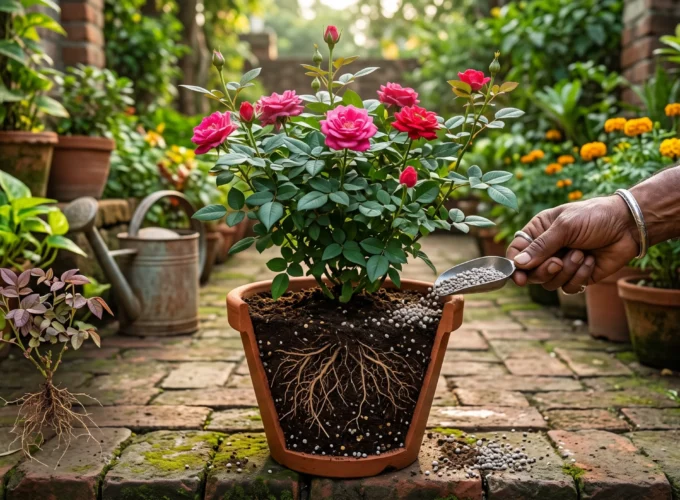
Should You Use Fertilizer During Monsoon?
Yes—but carefully.
Why fertilizer needs adjustment:
- Nutrients can wash away with rain
- Over-fertilizing can stress plants
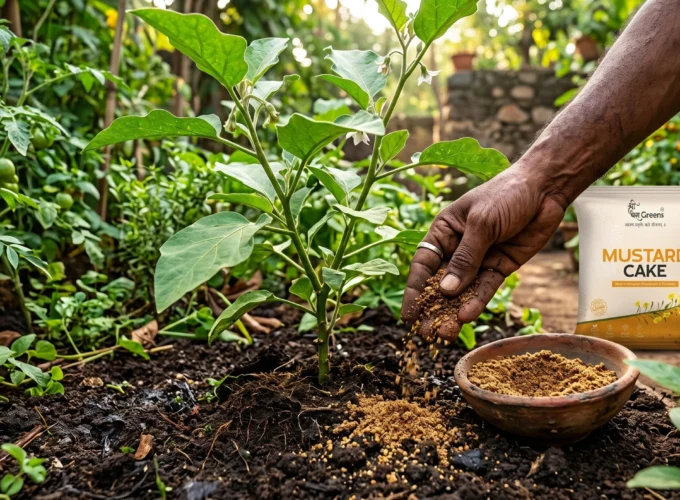
Best approach:
- Use organic fertilizers
- Apply in small quantities
- Avoid fertilizing during heavy rain
Using balanced, eco-friendly options from Shridhara Greens helps maintain soil health without harming plants.
How to Protect Plants from Fungal Infections in Monsoon?
High humidity creates the perfect environment for fungi.
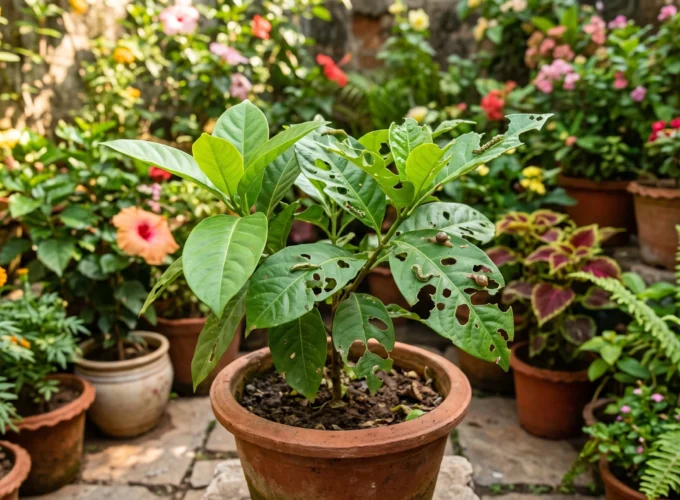
Common issues:
- Leaf spots
- Powdery mildew
- Root fungus
Prevention tips:
- Avoid water on leaves
- Improve air circulation
- Remove infected leaves
👉 Prevention is easier than treatment.
Why Do Plants Get More Pests During Monsoon?
This is another common concern.
Monsoon conditions:
- High moisture
- Mild temperatures
👉 Perfect for pest growth.
Common pests:
- Aphids
- Mealybugs
- Snails and slugs
What to do:
- Inspect plants regularly
- Use neem oil spray
- Remove pests manually
How Much Sunlight Do Plants Need During Monsoon?
Sunlight becomes limited during the rainy season.
What happens:
- Slower photosynthesis
- Weak plant growth
What you can do:
- Place plants in brighter areas
- Avoid overcrowding
- Clean leaves for better light absorption
👉 Even small changes can improve growth.
Should You Prune Plants During Monsoon?
Yes—but lightly.
Why pruning helps:
- Improves airflow
- Reduces fungal risk
- Removes damaged parts
What to avoid:
- Heavy pruning during peak rains
👉 Keep it minimal and strategic.
How to Take Care of Indoor Plants During Monsoon?
Indoor plants also need attention.
Common issues:
- Overwatering
- Low light
- Humidity buildup
Care tips:
- Reduce watering frequency
- Keep near windows
- Ensure airflow
👉 Indoor plants are more sensitive in this season.
Can Rainwater Be Beneficial for Plants?
Yes—rainwater is actually beneficial.
Benefits:
- Free from chemicals
- Rich in natural nutrients
- Improves soil health
👉 But avoid excess accumulation.
What Are Common Mistakes in Plant Care During Monsoon?
Avoid these:
- Overwatering plants
- Ignoring drainage
- Skipping pest checks
- Using heavy fertilizers
- Keeping plants in stagnant water
Small mistakes can quickly damage plants in this season.
How Often Should You Check Your Plants in Monsoon?
More often than usual.
Recommended:
- Inspect every 2–3 days
Why?
- Problems develop faster
- Early detection prevents damage
How to Keep Plants Healthy During the Rainy Season?
Let’s simplify everything:
- Reduce watering
- Improve soil drainage
- Monitor pests
- Use light fertilizers
- Ensure airflow and sunlight
👉 Consistency is key.
Monsoon Care Isn’t About Doing More—It’s About Doing Right
Here’s the real insight most gardeners miss:
Monsoon plant care is not about adding more effort—it’s about adjusting your routine smartly.
- Water less, observe more
- Feed wisely, not heavily
- Protect roots and leaves
Your plants don’t just survive the monsoon—they grow stronger, greener, and more resilient.