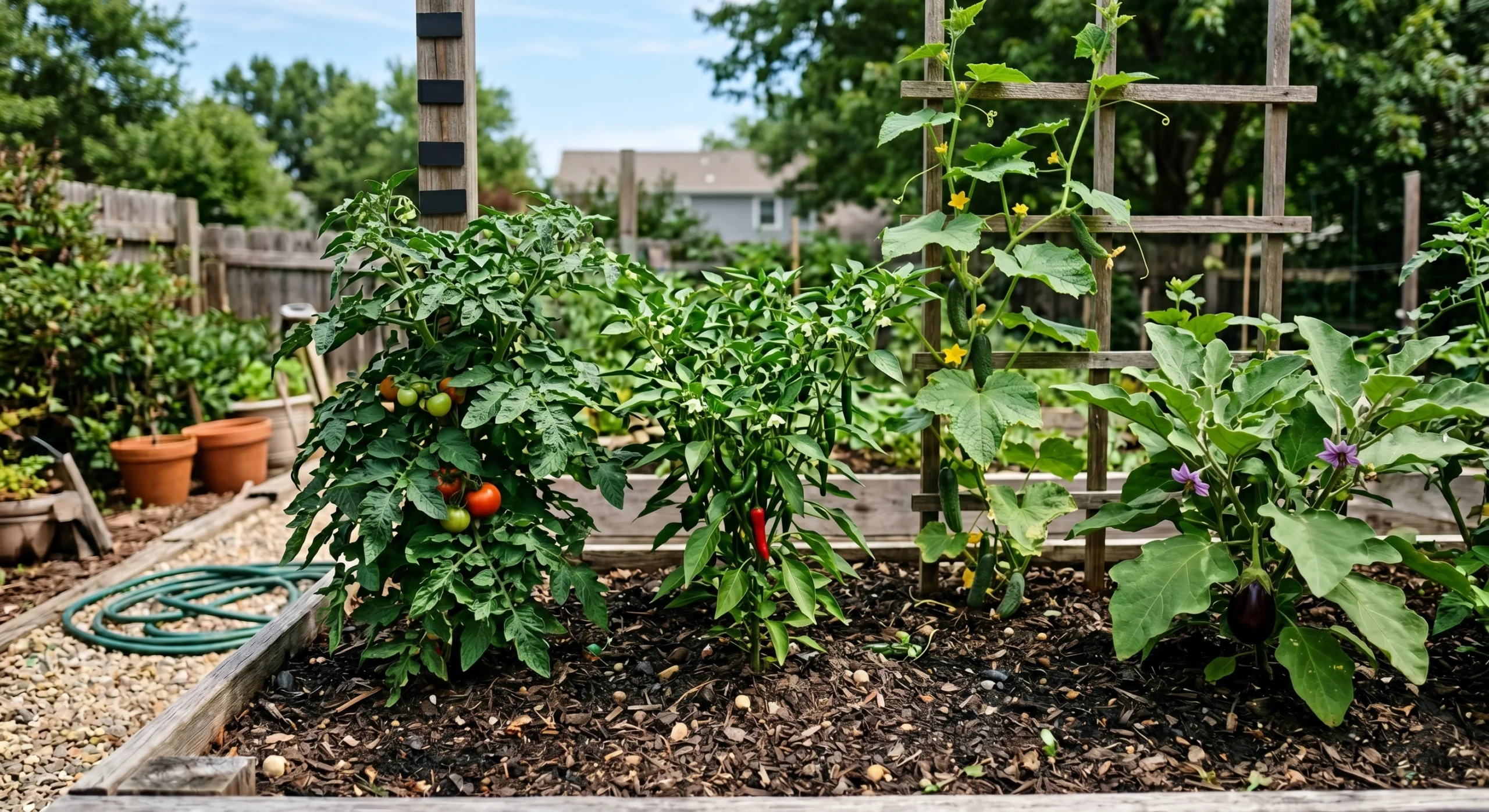
Have your tomato plants grown tall but produced only a few tomatoes?
Are your chilli plants flowering but not setting fruit?
Do your cucumber, brinjal, or capsicum plants look healthy yet give disappointingly low yields?
If you’ve experienced any of these issues, you’re not alone.
One of the most common concerns among home gardeners is:
“Why are my vegetable plants producing fewer fruits?”
The surprising truth is that low fruit production is rarely caused by a single issue. Most often, it results from a combination of problems involving:
- Growing media
- Soil fertility
- Pollination
- Watering practices
- Sunlight exposure
- Plant nutrition
- Root health
The good news is that once you identify the real cause, improving fruit production becomes much easier.
In this guide, we’ll explore the most common reasons vegetable plants fail to produce enough fruit and the practical steps you can take to increase your harvest.
For premium gardening products and plant care solutions, visit Shridhara Greens.
What Does Healthy Fruit Production Depend On?
For a vegetable plant to produce fruits successfully, it needs:
✔ Healthy roots
✔ Quality growing media
✔ Balanced nutrition
✔ Proper watering
✔ Adequate sunlight
✔ Successful pollination
If even one of these factors is compromised, fruit production can decline significantly.
1. Your Growing Media May Be the Problem
Many gardeners focus only on fertilizers and overlook the growing media.
However, roots spend their entire life inside the growing medium.
If the media becomes:
- Compacted
- Nutrient-poor
- Waterlogged
- Poorly aerated
plants struggle to support flowering and fruiting.
Signs of poor growing media:
- Slow growth
- Weak stems
- Small flowers
- Fruit drop
- Poor vegetable yield
Healthy growing media should provide:
- Good drainage
- Moisture retention
- Aeration
- Root support
Without these conditions, fruit production suffers.
2. Insufficient Sunlight
Vegetables are energy-intensive plants.
Most fruiting vegetables require:
6–8 Hours of Direct Sunlight Daily
Examples include:
- Tomato
- Chilli
- Capsicum
- Brinjal
- Cucumber
- Okra
When plants receive inadequate sunlight:
- Flowering decreases
- Fruit formation slows
- Plant energy production drops
A healthy-looking plant with lots of leaves but very few fruits is often suffering from low sunlight.
3. Too Much Nitrogen Fertilizer
This is one of the biggest mistakes home gardeners make.
Nitrogen promotes:
- Leaf growth
- Stem growth
- Green foliage
However, excessive nitrogen can lead to:
Beautiful leaves, but very few fruits.
Common symptoms include:
- Dense green foliage
- Rapid vegetative growth
- Poor flowering
- Reduced fruit set
Balanced nutrition is essential for productive vegetable plants.
4. Poor Pollination
Many vegetables depend on pollination for fruit development.
This is especially important for:
- Cucumbers
- Pumpkins
- Gourds
- Squash
- Melons
Without proper pollination:
- Flowers fall off
- Fruits fail to develop
- Yields remain low
Common pollination problems:
- Lack of pollinators
- Excessive pesticide use
- Rain during flowering
- High temperatures
Encouraging bees and beneficial insects often improves fruit production naturally.
5. Inconsistent Watering
Vegetable plants are particularly sensitive to watering fluctuations.
Underwatering may cause:
- Flower drop
- Fruit drop
- Small vegetables
Overwatering may cause:
- Root stress
- Nutrient loss
- Reduced oxygen availability
The goal is consistent moisture—not constantly wet soil.
6. Poor Root Development
Fruit production begins below the surface.
Weak roots struggle to support:
- Flowering
- Nutrient uptake
- Fruit growth
Common causes include:
- Compacted growing media
- Root-bound pots
- Poor drainage
- Low-quality potting mixes
Healthy roots create healthier harvests.
7. Temperature Stress
Indian summers can be challenging for vegetable gardeners.
Extreme temperatures may affect:
- Flower production
- Pollination
- Fruit setting
For example:
Tomatoes
Temperatures above 35°C may reduce fruit set.
Chilli Plants
Excessive heat can cause flower drop.
Cucumbers
Heat stress may reduce productivity.
Providing adequate watering and reducing heat stress helps maintain yields.
8. Growing Containers Are Too Small
Container gardening is increasingly popular, but small pots can limit production.
Small containers often:
- Restrict root growth
- Dry out quickly
- Hold fewer nutrients
As a result, plants may:
- Produce fewer flowers
- Set fewer fruits
- Stop growing efficiently
Larger containers generally support better harvests.
9. Old or Depleted Growing Media
Many gardeners use the same potting mix for years.
Over time, growing media loses:
- Structure
- Organic matter
- Nutrient-holding capacity
Old media often becomes:
- Compact
- Less fertile
- Poorly aerated
Refreshing growing media regularly helps maintain productivity.
10. Flower Drop Before Fruit Formation
A very common complaint is:
“My vegetable plant flowers, but the flowers keep falling off.”
This usually happens because of:
- Temperature stress
- Water stress
- Poor pollination
- Nutrient imbalance
Flower drop is one of the earliest warning signs that something is limiting fruit production.
Best Growing Media for High Vegetable Yields
The quality of your growing media directly affects fruit production.
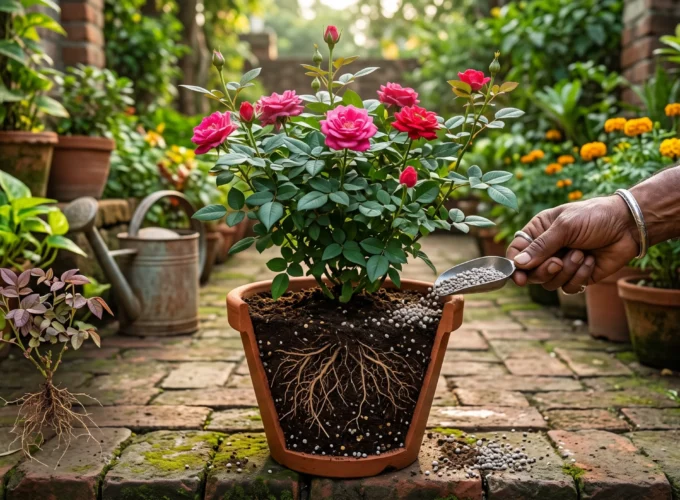
A productive vegetable growing mix often includes:
Cocopeat
Helps retain moisture while maintaining aeration.
Vermicompost
Provides organic nutrients and supports microbial activity.
Perlite
Improves drainage and root oxygen availability.
Organic Compost
Enhances soil fertility and structure.
These ingredients help create a healthy root zone, which ultimately leads to better flowering and fruiting.
Signs Your Vegetable Plants Are Ready for Better Growing Media
Consider improving or refreshing your growing media if you notice:
✔ Poor fruit production
✔ Slow growth
✔ Hard compacted soil
✔ Frequent wilting
✔ Weak root systems
✔ Water drainage issues
Often, improving the root environment delivers better results than simply adding more fertilizer.
How to Increase Fruit Production Naturally
To maximize vegetable harvests:
Provide Adequate Sunlight
At least 6–8 hours daily for most vegetables.
Improve Growing Media
Ensure proper drainage and aeration.
Water Consistently
Avoid cycles of drought and overwatering.
Support Pollinators
Encourage bees and beneficial insects.
Use Balanced Nutrition
Avoid excessive nitrogen.
Refresh Potting Media Periodically
Healthy roots need healthy growing conditions.
Frequently Asked Questions
Why are my vegetable plants flowering but not producing fruit?
Poor pollination, excessive nitrogen, temperature stress, and inadequate sunlight are common causes.
Can growing media affect fruit production?
Yes. Poor-quality growing media can restrict root growth, drainage, and nutrient absorption.
Why are my tomato plants not producing enough tomatoes?
Possible causes include heat stress, low sunlight, poor pollination, and nutrient imbalance.
Does pot size affect vegetable yield?
Yes. Small containers often limit root growth and reduce fruit production.
How can I increase vegetable harvest naturally?
Focus on healthy growing media, consistent watering, proper sunlight, balanced nutrition, and pollination support.
Final Thoughts
If your vegetable plants are producing fewer fruits, the problem is often hidden below the surface.
While gardeners frequently blame fertilizers, the real issue may involve:
- Poor growing media
- Weak roots
- Insufficient sunlight
- Pollination problems
- Watering mistakes
- Temperature stress
The most productive vegetable gardens are built on healthy roots and high-quality growing media.
By improving the environment around your plants, you’ll often see stronger flowering, better fruit set, and significantly larger harvests.
For premium gardening products, growing media, and plant care solutions, visit Shridhara Greens and help your vegetable plants reach their full productive potential.