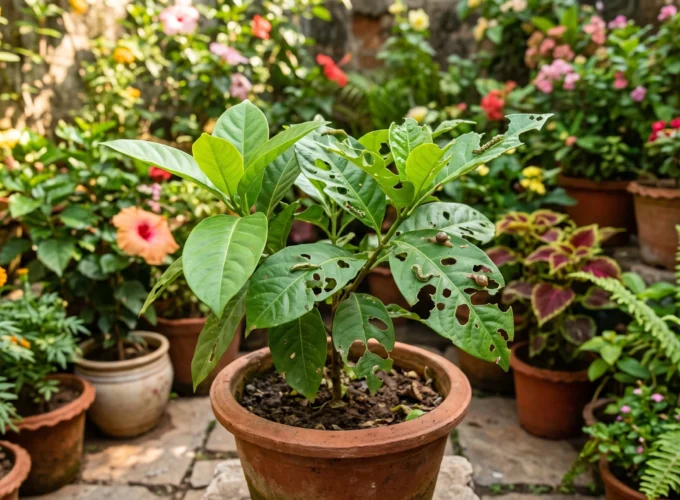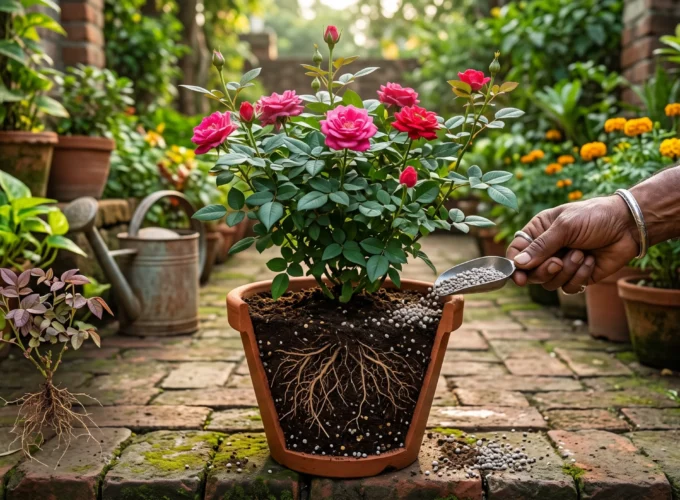

Neem oil pesticide is one of the most popular natural pest control solutions used in Indian gardening. From indoor plants and terrace gardens to vegetables and flowering plants, many gardeners rely on neem oil spray to manage insects naturally.
But a common frustration remains:
“I used neem oil pesticide, but the pests came back. Why?”
This situation is very common.
You spray the plant.
The pests disappear temporarily.
Then, after a few days or weeks, they return.
Naturally, many people assume:
“Neem oil does not work.”
But the reality is different.
Neem oil pesticide usually does not fail — improper use and pest life cycles are often the real reasons behind recurring infestations.
Neem oil works differently from strong chemical pesticides. Understanding this difference is important for long-term pest control.
In this guide, you will learn:
- Why pests return after neem oil spray
- How neem oil pesticide actually works
- Common spraying mistakes
- How to improve pest control results
- Best Neem Oil Application Practices
For premium gardening products and natural pest control solutions, visit Shridhara Greens and explore the specialized Neem Oil for Plants Collection.
How Neem Oil Pesticide Works
Before understanding why pests return, it helps to know how neem oil works.
Neem oil is a natural pesticide extracted from neem seeds.
It helps manage common plant pests such as:
- Mealybugs
- Aphids
- Whiteflies
- Spider mites
- Leaf-feeding insects
Unlike chemical pesticides that often kill instantly, neem oil works gradually.
It affects pests by:
- Disturbing feeding behavior
- Interrupting reproduction
- Reducing pest activity
- Making plants less attractive to insects
This slower biological action is why neem oil is highly valued in organic gardening.
Why Do Pests Come Back After Neem Oil Spray?
Several reasons explain recurring infestations.
1. Neem Oil Does Not Always Kill Eggs
This is the biggest reason.
Neem oil may control:
- Adult insects
- Feeding activity
- Pest development
But many pest eggs survive initial spraying.
After a few days:
- Eggs hatch
- Young pests appear
- Infestation starts again
This is why repeated spraying is often necessary.
2. You Sprayed Only Once
Many gardeners expect permanent pest control after one spray.
However, neem oil usually works as part of a repeated treatment cycle.
Because pests reproduce quickly, multiple applications may be needed.
Single spraying often provides only a temporary reduction.
3. Incomplete Spray Coverage
Neem oil works mainly through direct contact.
If the spray misses hidden areas, pests survive.
Common hiding places include:
- Underside of leaves
- Stem joints
- Dense foliage
- New growth
- Leaf folds
Even a few surviving insects can restart the infestation.
4. Spraying During Wrong Timing
Timing affects neem oil performance.
Many gardeners spray during:
- Harsh sunlight
- Hot afternoons
- Heat-stressed conditions
This may:
- Reduce effectiveness
- Increase evaporation
- Stress plants
The best timing is usually:
- Early morning
- Evening
- Cooler shaded hours
5. Nearby Plants Remain Infected
Pests spread easily.
If only one plant is treated while nearby plants remain infected:
- Pests migrate back
- Reinfestation occurs
- Control becomes difficult
This is especially common in:
- Balcony gardens
- Indoor plant collections
- Terrace gardens
6. Weak Plants Attract Pests Again
Healthy plants naturally resist pests better.
Plants weakened by:
- Overwatering
- Poor drainage
- Nutrient imbalance
- Low sunlight
- Stress
often become easier targets.
Neem oil alone cannot solve poor plant health.
Balanced plant care matters.
7. Wrong Neem Oil Dilution
Neem oil must be diluted properly.
Too little neem oil may:
- Reduce pest control
Too much may:
- Stress leaves
- Cause spray damage
- Reduce plant tolerance
Following the proper dosage is important.
Common Pests That Return After Neem Oil Spray
Some pests are particularly persistent.
Mealybugs
Mealybugs hide well and leave eggs behind.
Repeated treatment is usually required.
Aphids
Aphids reproduce rapidly and may return quickly.
Whiteflies
Whiteflies move between nearby plants easily.
Spider Mites
Spider mites multiply fast in dry conditions.
How to Use Neem Oil Pesticide More Effectively
Improving technique often improves results.
Step 1: Spray Thoroughly
Cover:
- Leaf undersides
- Stem joints
- New shoots
- Hidden areas
Complete coverage matters.
Step 2: Repeat Applications
Because pests have life cycles, repeat treatments may be needed.
Consistency is important.
Step 3: Improve Plant Health
Healthy plants resist pests better.
Focus on:
- Proper sunlight
- Balanced watering
- Organic nutrition
- Good drainage
Step 4: Monitor Plants Regularly
Early pest detection prevents severe infestations.
Inspect plants frequently.
Step 5: Isolate Heavily Infected Plants
This reduces pest spread.
Neem Oil and Organic Pest Control
Neem oil is popular in organic gardening because it:
- Supports natural pest management
- Reduces chemical dependency
- Works with sustainable gardening practices
- Controls multiple pests
However, organic pest control often requires:
- Patience
- Monitoring
- Repeated care
Neem oil works best as part of an ongoing plant care routine.
Explore premium neem oil solutions at Shridhara Greens Neem Oil Collection.
Common Neem Oil Spray Mistakes
Expecting Instant Pest Elimination
Neem oil works gradually.
Ignoring Hidden Pest Areas
Hidden pests survive.
Spraying During Strong Sunlight
This reduces effectiveness and may stress plants.
Treating Only One Plant
Nearby plants may continue spreading pests.
Poor Plant Maintenance
Weak plants attract recurring infestations.
Frequently Asked Questions
Why do pests return after neem oil spray?
Pest eggs, hidden insects, and incomplete treatment often cause reinfestation.
Does neem oil kill pest eggs?
Neem oil may not fully eliminate all eggs, which is why repeated spraying is often needed.
How often should neem oil be used?
Application frequency depends on pest pressure and plant condition.
Can neem oil control mealybugs?
Yes, neem oil is commonly used for mealybug management, but repeated treatment may be necessary.
Is neem oil safe for organic gardening?
Yes. Neem oil is widely used in organic gardening and natural pest management.
Final Thoughts
So, why do pests come back after using neem oil pesticide?
The answer usually comes down to:
- Surviving eggs
- Hidden pests
- Incomplete spraying
- Weak plant health
- Lack of repeated treatment
Neem oil is not a one-time magic solution.
It works best when combined with:
- Proper spray technique
- Healthy plant care
- Consistent monitoring
- Patience
For Indian gardeners focused on natural and sustainable pest control, neem oil remains one of the most effective organic plant protection tools available.
For trusted neem oil pesticide and plant care products, visit Shridhara Greens and explore the premium Neem Oil for Plants Collection for healthier and naturally protected plants.