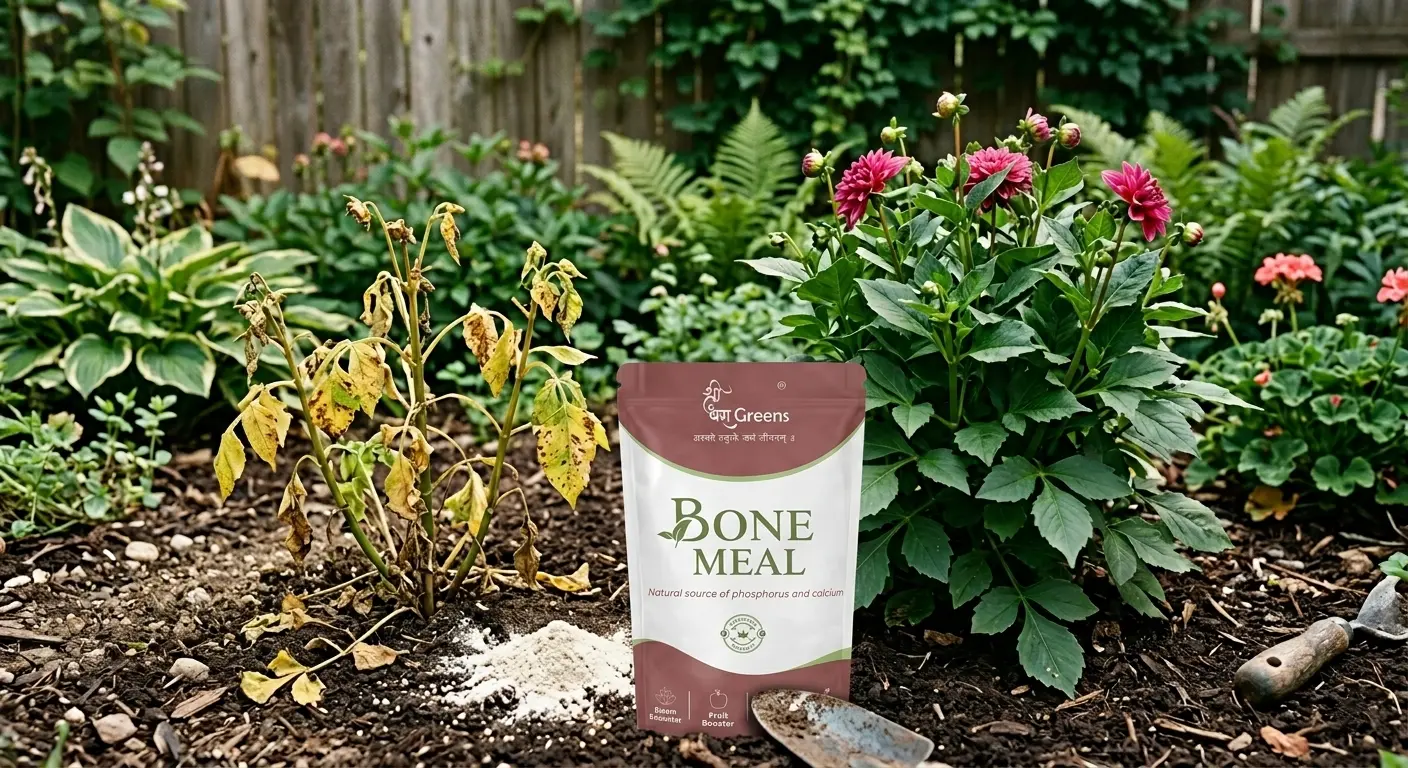
You added bone meal fertilizer expecting stronger roots and better flowering—but nothing really changed. It’s frustrating, especially when you’ve heard so much about its benefits.
If you’ve been searching “why is bone meal fertilizer not working?” or “how to use bone meal for plants correctly?”, the issue is rarely the product itself. In most cases, it comes down to how and when it’s being used.
Let’s break it down simply so you can fix the problem and start seeing real results.
What Does Bone Meal Fertilizer Do for Plants?
Before fixing the issue, it helps to understand what bone meal fertilizer actually does.
It is a natural phosphorus fertilizer and also works as a source of calcium, making it one of the most commonly used calcium fertilizers in organic gardening.
Key benefits:
- Supports strong root development
- Improves flowering and blooming
- Strengthens plant structure
That’s why bone meal for plants is often recommended for flowering plants and root crops.
Why Is Bone Meal Fertilizer Not Working in My Plants?
This is one of the most common questions—and the answer usually comes down to a few simple mistakes.
Your bone meal fertilizer may not be working if:
- Soil pH is not suitable
- Nutrients are already present
- It’s not applied properly
- Microbial activity is low
Let’s go deeper into each of these.
Is Your Soil pH Blocking Nutrient Absorption?
This is the biggest reason people don’t see results.
Bone meal works best in slightly acidic soil. If your soil is alkaline:
- Phosphorus becomes unavailable
- Plants cannot absorb nutrients
Even though you’re adding a phosphorus fertilizer, your plants may not benefit from it.
What to do:
- Test your soil pH
- Avoid using bone meal in highly alkaline conditions
Are You Expecting Fast Results from Bone Meal?
If you’re wondering, “How long does bone meal fertilizer take to work?”, here’s the reality:
- It is a slow-release fertilizer
- Takes time to break down
- Works gradually over weeks
Unlike liquid fertilizers, bone meal fertilizer doesn’t give instant results—it builds plant strength over time.
Are You Applying Bone Meal for Plants the Wrong Way?
Application method matters more than most people think.
Common mistakes:
- Sprinkling it on top of the soil
- Not mixing it into the soil
- Keeping it too far from the roots
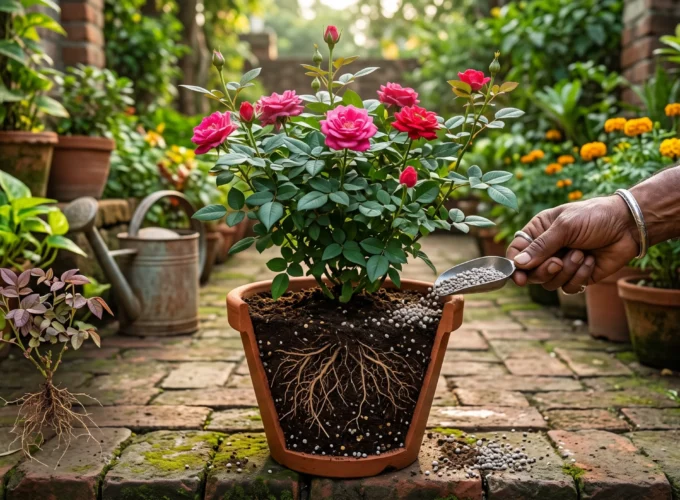
Correct method:
- Mix bone meal into the root zone
- Apply during planting
- Water thoroughly after use
Using bone meal for plants correctly ensures nutrients actually reach the roots.
Is Your Soil Already Rich in Nutrients?
Sometimes, the issue isn’t deficiency—it’s excess.
If your soil already contains enough phosphorus:
- Adding more bone meal fertilizer won’t show visible improvement
- Plant growth may remain unchanged
What to do:
- Avoid over-fertilizing
- Maintain a balanced nutrient approach
Why Doesn’t Bone Meal Work Well in Indoor Plants?
If you’re using bone meal for plants indoors and not seeing results, here’s why:
- Indoor soil has low microbial activity
- Bone meal needs microbes to break down
- Nutrients release more slowly in pots
Better approach:
- Combine with faster-acting fertilizers
- Use it as part of a balanced feeding plan
Are You Using Bone Meal at the Wrong Time?
Timing is another overlooked factor.
Bone meal works best:
- During planting
- In early growth stages
If applied too late:
- Plants may not benefit fully
- Growth impact becomes minimal
Does Bone Meal Fertilizer Work for All Plants?
Not always.
Best for:
- Flowering plants
- Bulbs
- Root vegetables
Not ideal for:
- Leafy plants need nitrogen
- Fast-growing plants need quick nutrients
Even though bone meal fertilizer is effective, it must match your plant’s needs.
Are You Watering Properly After Applying Bone Meal?
Water activates nutrient release.
Without proper watering:
- Nutrients stay locked in the soil
- Plants don’t absorb them
What to do:
- Water thoroughly after application
- Maintain consistent moisture
What Are the Most Common Mistakes When Using Bone Meal?
Let’s simplify the key issues:
- Using it in alkaline soil
- Expecting instant results
- Applying incorrectly
- Using it for the wrong plants
- Ignoring soil condition
Fixing these small mistakes can make a big difference.
How to Use Bone Meal Fertilizer for Best Results?
To get the most out of bone meal fertilizer, follow this simple approach:
- Test your soil pH
- Apply during planting
- Mix into soil (not surface)
- Water properly
- Use for the right plant types
Consistency matters more than quantity.
Should You Combine Bone Meal with Other Fertilizers?
Yes—and this often improves results.
Since bone meal fertilizer mainly provides phosphorus and calcium, plants may still need:
- Nitrogen
- Potassium
Using a balanced approach ensures complete nutrition. With well-planned plant care solutions available through Shridhara Greens, managing this balance becomes easier and more effective.
How Do You Know If Bone Meal Is Actually Working?
Signs include:
- Stronger root growth
- Better flowering
- Healthier plant structure
Keep in mind—it works gradually, not instantly.
It’s Not the Fertilizer—It’s the Approach
When used correctly, bone meal can be one of the most effective organic solutions for plant growth.
But results come when you:
- Match it to the right soil
- Apply it properly
- Understand how it works
👉 Because the right method turns slow fertilizers into powerful results.