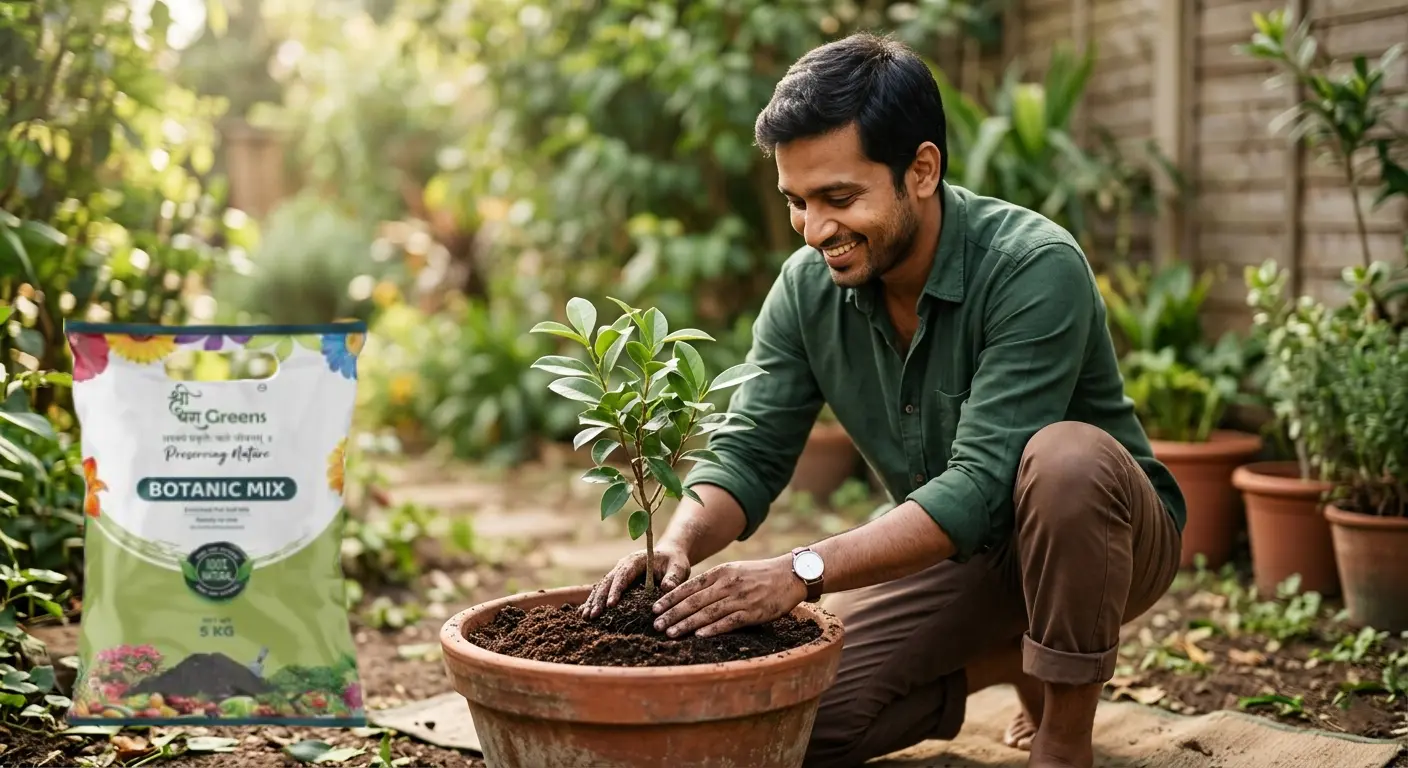
If you’ve ever wondered “Is organic potting soil really better for plants?” or “How do I use potting mix correctly?”, you’re not alone.
Many plant problems—slow growth, yellow leaves, poor flowering—often come down to one thing: the soil mix isn’t right.
The good news? Once you understand how to use an organic potting soil mix properly, plant care becomes easier, cleaner, and far more effective.
Let’s break it down step by step—no confusion, just practical guidance you can actually use.
What Is Organic Potting Soil Mix and Why Does It Matter?
Organic potting soil mix is a soilless or semi-soilless blend made from natural materials like:
- Coco peat
- Compost
- Vermiculite or perlite
- Organic nutrients
Unlike regular garden soil, it is:
- Lightweight
- Well-draining
- Rich in natural nutrients
- Free from harmful chemicals
This makes it ideal for indoor plants, balcony gardens, and container gardening.
When using a well-balanced mix (like the ones designed at Shridhara Greens), you’re giving your plants the perfect base to grow.
Is Organic Potting Soil Better Than Regular Soil?
This is one of the most searched questions—and the answer is yes, especially for container plants.
Why does organic potting mix perform better:
- Better aeration for roots
- Improved drainage
- Fewer pests and diseases
- Consistent texture
Regular soil can become compact, block airflow, and lead to root damage—something potting mix avoids.
How Do You Use Organic Potting Soil Mix Correctly?
Using potting mix isn’t complicated—but doing it right makes a big difference.
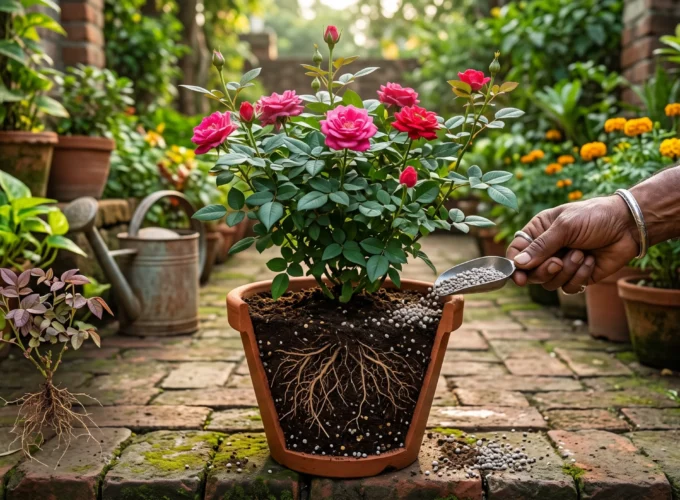
Step-by-step approach:
- Choose the right pot with drainage holes
- Fill the pot with organic potting mix
- Gently place your plant
- Press lightly to secure roots
- Water thoroughly
That’s it—but small details matter.
Should You Add Anything to Organic Potting Soil Mix?
A very common doubt: “Is potting mix enough on its own?”
In most cases, yes. But depending on your plant:
- Add perlite → for better drainage
- Add compost → for extra nutrients
- Add coco chips → for aeration
Avoid overloading the mix. Balance is key.
How Often Should You Water Plants in Potting Mix?
Another highly searched question—and important for plant health.
Organic potting mix retains moisture well, so:
- Water only when the top layer feels dry
- Avoid daily watering
- Ensure excess water drains out
Overwatering is the most common mistake—even with good soil.
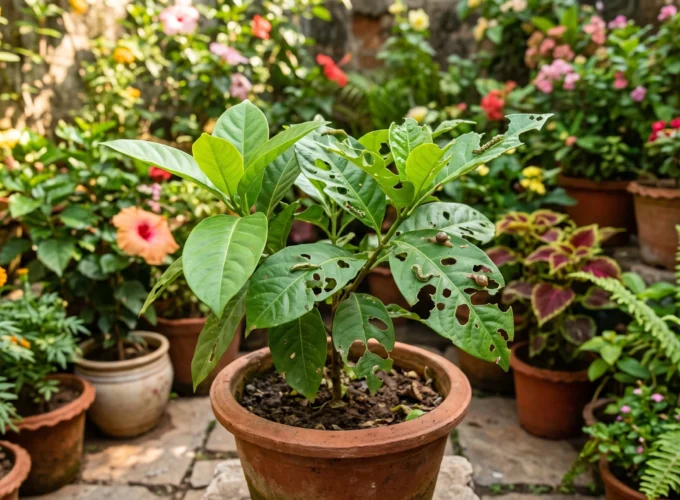
Why Is My Plant Not Growing Even After Using Organic Potting Soil?
If you’re asking this, the issue may not be the soil itself.
Possible reasons:
- Overwatering
- Lack of sunlight
- No additional nutrients over time
- Poor drainage
Even the best organic potting soil needs proper care conditions to deliver results.
Can You Reuse Organic Potting Soil Mix?
Yes—but with some care.
Before reusing:
- Remove old roots
- Refresh with compost
- Improve aeration with perlite
Reusing without refreshing can reduce effectiveness.
Which Plants Grow Best in Organic Potting Soil?
Organic potting mix works well for most plants, especially:
Indoor Plants
- Money plant
- Snake plant
- Peace lily
Flowering Plants
- Roses
- Petunias
- Hibiscus
Herbs & Vegetables
- Basil
- Mint
- Tomatoes
It’s versatile—which is why it’s widely preferred.
How to Choose the Best Organic Potting Soil Mix Online?
If you’ve searched “best potting soil mix online”, here’s how to choose wisely:
Check the Ingredients
Look for:
- Coco peat base
- Organic compost
- Aeration materials
Ensure Proper Texture
A good potting mix should be:
- Light and fluffy
- Not too dense or muddy
Avoid Low-Quality Mixes
Cheap mixes often:
- Lack nutrients
- Retain too much water
- Harm root growth
Choose a Reliable Source
Instead of experimenting randomly, it helps to use a mix that’s already balanced for plant health. That’s where Shridhara Greens simplifies the process by offering ready-to-use organic potting solutions.
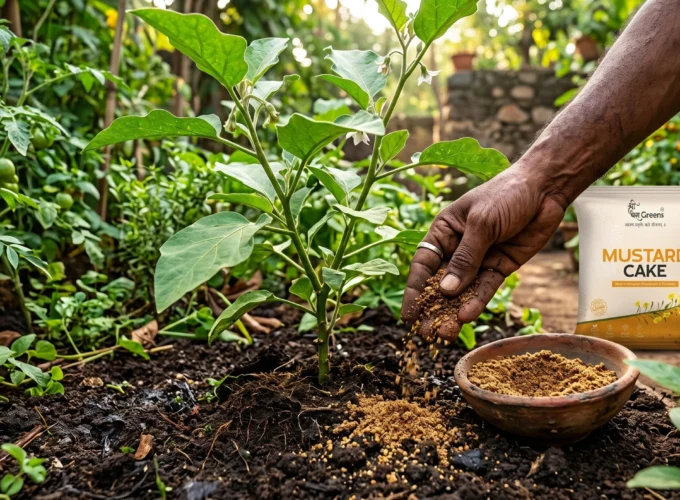
Do You Need Fertilizer with Organic Potting Soil?
Yes—but not immediately.
Organic potting mix already contains nutrients, but over time:
- Nutrients get depleted
- Plants need additional feeding
When to add fertilizer:
- After 3–4 weeks of planting
- During the active growth phase
Use mild, organic fertilizers for best results.
What Are the Most Common Mistakes When Using Potting Soil Mix?
Even with good soil, mistakes can affect plant growth.
Avoid these:
- Overwatering
- Using pots without drainage
- Compacting the soil too much
- Not refreshing old soil
- Ignoring sunlight needs
Small corrections can lead to big improvements.
Can Organic Potting Mix Be Used for Outdoor Plants?
Yes, but with some adjustments.
For outdoor use:
- Mix with garden soil for stability
- Ensure proper drainage
- Monitor moisture levels
It works especially well in:
- Terrace gardens
- Grow bags
- Containers
How Long Does Organic Potting Soil Last?
Typically:
- 6 to 12 months, depending on usage
After that:
- Nutrients reduce
- Structure may break down
Refreshing or replacing the mix ensures continued plant health.
Grow Better, Faster, Healthier—It Starts with the Right Mix
Plants don’t struggle because they’re difficult—they struggle because their foundation isn’t right.
Once you get your organic potting soil mix right:
- Roots grow stronger
- Water balance improves
- Nutrient absorption becomes efficient
Everything else becomes easier.
Instead of guessing what your plants need, focus on building the right base. With well-prepared mixes available through Shridhara Greens, creating that ideal growing environment becomes simple and reliable.
Because when your soil works right, your plants don’t have to struggle.