If you’ve been exploring better ways to grow plants, you’ve probably come across the term cocopeat compost. And naturally, the question comes up—what exactly is cocopeat compost, and is it really better than soil?
Here’s the simple truth: cocopeat compost is one of the easiest ways to improve plant growth without complicating your gardening routine.
Whether you’re growing indoor plants, vegetables, or balcony greens, understanding how cocopeat works can completely change your results.
What Is Cocopeat Compost and Why Is Everyone Using It?
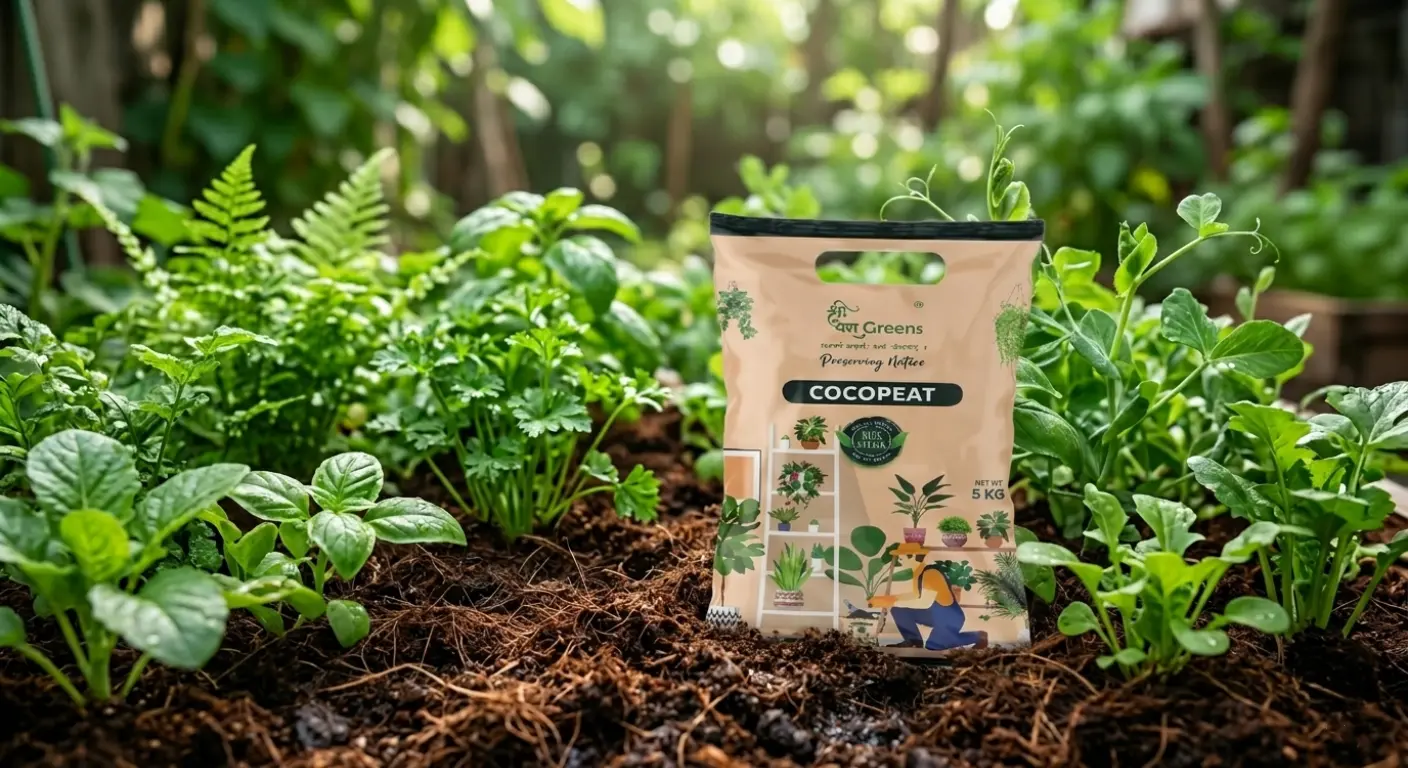
Cocopeat (also called coco coir) is a natural material made from coconut husk fibers. When processed and combined with organic nutrients, it becomes what many refer to as cocopeat compost.
It’s widely used because it offers:
- Excellent water retention
- Better root aeration
- Lightweight structure
- Eco-friendly and sustainable properties
Unlike traditional soil, cocopeat doesn’t compact easily, which means roots can grow freely.
Is Cocopeat Better Than Soil for Plants?
One of the most searched questions—and the answer depends on how you use it.
Why does cocopeat often perform better:
- Retains moisture longer than soil
- Prevents root suffocation
- Reduces pest and disease risks
- Improves root development
Where soil still helps:
- Provides natural minerals
- Adds weight and stability for large plants
That’s why many gardeners use a mix of cocopeat and other materials instead of relying on just one.
How Does Cocopeat Help Plants Grow Faster?
If you’ve ever wondered, “Does cocopeat really improve plant growth?”, here’s why it works:
1. Better Water Management
Cocopeat can hold water up to 8–10 times its weight, ensuring plants stay hydrated without overwatering.
2. Improved Root Aeration
Roots need oxygen as much as water. Cocopeat’s structure allows air to flow freely, preventing root rot.
3. Stronger Root Development
Loose and airy texture helps roots expand easily, leading to healthier plants.
4. Balanced Growing Environment
It maintains the right moisture-air balance, which is key for consistent growth.
How Do You Use Cocopeat Compost for Plants?
Using cocopeat is simple, but doing it right makes a big difference.
Basic method:
- Hydrate compressed cocopeat (if in block form)
- Loosen it properly
- Mix with other components if needed
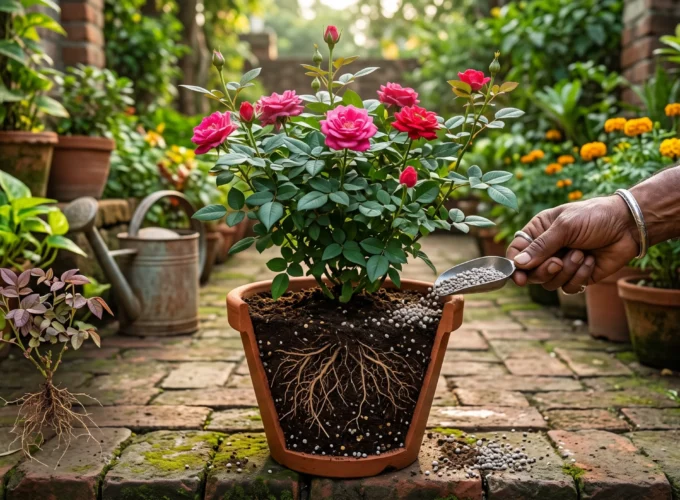
- Fill your pot and plant
Ideal mix for best results:
- 60% cocopeat
- 20% compost
- 20% perlite or sand
This creates a balanced growing medium suitable for most plants.
Can You Use Cocopeat Alone Without Soil?
Yes—but with a condition.
Cocopeat itself:
- Does not contain significant nutrients
- Acts mainly as a support medium
So if used alone:
- You must add fertilizers regularly
For beginners, it’s better to use cocopeat mixed with compost or organic nutrients.
Which Plants Grow Best in Cocopeat Compost?
Cocopeat works well for a wide range of plants.
Indoor Plants
- Money plant
- Snake plant
- Peace lily
Flowering Plants
- Roses
- Petunias
- Marigolds
Vegetables & Herbs
- Tomatoes
- Basil
- Spinach
Its versatility makes it one of the most preferred growing media today.
How Often Should You Water Plants in Cocopeat?
This is where many people go wrong.
Since cocopeat retains water well:
- You don’t need to water daily
- Always check the top layer before watering
- Avoid overwatering
If you’re thinking, “Why are my plants dying in cocopeat?”, overwatering is often the reason.
Does Cocopeat Need Fertilizer?
Yes—this is very important.
Cocopeat:
- Has minimal nutrients on its own
- Needs external feeding
When to add fertilizer:
- After 2–3 weeks of planting
- During active growth stages
Using organic fertilizers works best for long-term plant health.
Can Cocopeat Be Reused?
Yes, cocopeat is reusable—but it needs preparation.
Before reuse:
- Remove old roots
- Wash and dry the material
- Mix with fresh compost
Reusing without refreshing can reduce its effectiveness.
What Are the Common Mistakes When Using Cocopeat?
Even though cocopeat is beginner-friendly, some mistakes can affect plant growth.
Avoid these:
- Using cocopeat without adding nutrients
- Overwatering due to high moisture retention
- Not mixing with other materials
- Ignoring drainage in pots
Fixing these small mistakes can dramatically improve results.
How to Choose Good Quality Cocopeat Online?
If you’re searching “best cocopeat for plants online”, here’s what to check:
Texture
- Should be soft and fibrous
- Not too powdery or dusty
Cleanliness
- Free from salts and impurities
- Properly processed
Packaging
- Well-sealed and moisture-controlled
Choosing a reliable source matters because low-quality cocopeat can harm plant growth. That’s where Shridhara Greens simplifies the process by offering well-processed cocopeat designed for consistent plant performance.
Is Cocopeat Good for Indoor Gardening?
Absolutely.
Cocopeat is ideal for indoor plants because:
- It’s lightweight
- Doesn’t create a mess like soil
- Reduces pest issues
- Maintains moisture balance
This makes it perfect for modern homes and compact gardening spaces.
Why Cocopeat Compost Is Becoming a Must-Have for Gardeners
Gardening doesn’t have to be complicated—it just needs the right foundation.
Cocopeat compost provides that foundation by:
- Improving root health
- Balancing water and air
- Supporting consistent plant growth
Once you start using it correctly, you’ll notice the difference:
- Healthier plants
- Faster growth
- Less maintenance stress
Instead of struggling with heavy soil and unpredictable results, switching to a well-balanced growing medium can completely change your gardening experience.
With thoughtfully prepared options available through Shridhara Greens, getting started becomes simple—even if you’re new to gardening.