If you’ve started using organic gardening methods, you’ve probably asked this:
“How much vermicompost fertilizer should I add to plants?”
It’s a great question—because while vermicompost is incredibly beneficial, using the right quantity is what actually delivers results.
Too little? You won’t see much improvement.
Too much? It may not harm plants, but it won’t be efficient either.
So let’s break it down in a simple, practical way so you know exactly how much vermicompost fertilizer to use for different plants and situations.
What Is Vermicompost Fertilizer and Why Is It So Effective?
Vermicompost is an organic fertilizer made using earthworms that convert organic waste into nutrient-rich compost.
It contains:
- Essential nutrients (NPK)
- Beneficial microbes
- Organic matter
👉 Think of it as a natural soil booster.
Unlike chemical fertilizers, vermicompost:
- Improves soil structure
- Enhances water retention
- Promotes healthy root growth
This is why gardeners and farmers increasingly prefer solutions offered by trusted brands like Shridhara Greens for consistent quality and results.
How Much Vermicompost Fertilizer Should You Add to Plants?
Let’s answer the main question directly.
General Rule:
👉 Mix 20–30% vermicompost with soil for best results.
This means:
- 1 part vermicompost
- 3–4 parts soil
This ratio works well for most plants.
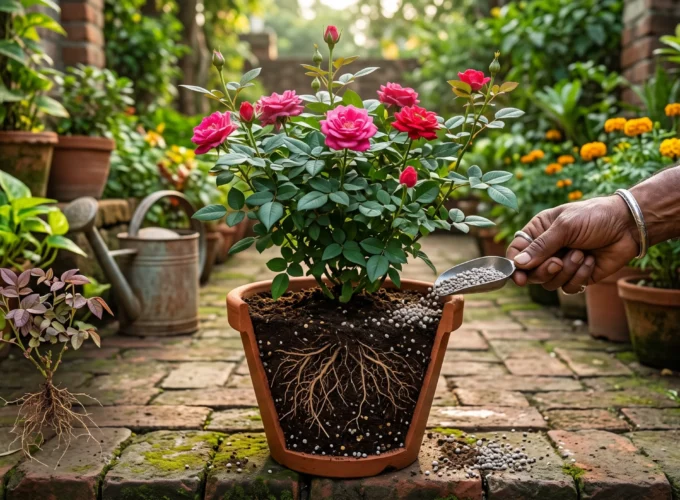
How Much Vermicompost for Potted Plants?
This is one of the most searched queries.
For Small Pots (6–8 inches):
- 1–2 handfuls every 15–20 days
For Medium Pots (10–12 inches):
- 2–3 handfuls per month
For Large Pots:
- 3–5 handfuls every 20–30 days
👉 Always mix lightly into the topsoil.
How Much Vermicompost for Vegetable Plants?
Vegetables need more nutrients for growth and yield.
Before Planting:
- Mix 25–30% vermicompost into the soil
During Growth:
- Add 1–2 handfuls per plant every 2–3 weeks
👉 Especially useful for:
- Tomatoes
- Chillies
- Leafy greens
How Much Vermicompost for Flowering Plants?
Flowering plants need balanced nutrition.
Recommended:
- 1–2 handfuls every 15 days
This helps:
- Improve blooming
- Enhance flower quality
- Increase plant strength
Can You Add Too Much Vermicompost?
This is a common concern.
Good news:
Vermicompost is gentle and unlikely to harm plants.
But:
- Excess use may reduce soil balance
- It can be wasteful
Stick to recommended quantities for best results.
How Often Should You Apply Vermicompost Fertilizer?
Frequency depends on plant type.
General guideline:
- Every 15–30 days
Fast-growing plants:
- Every 2 weeks
Slow-growing plants:
- Once a month
Consistency matters more than quantity.
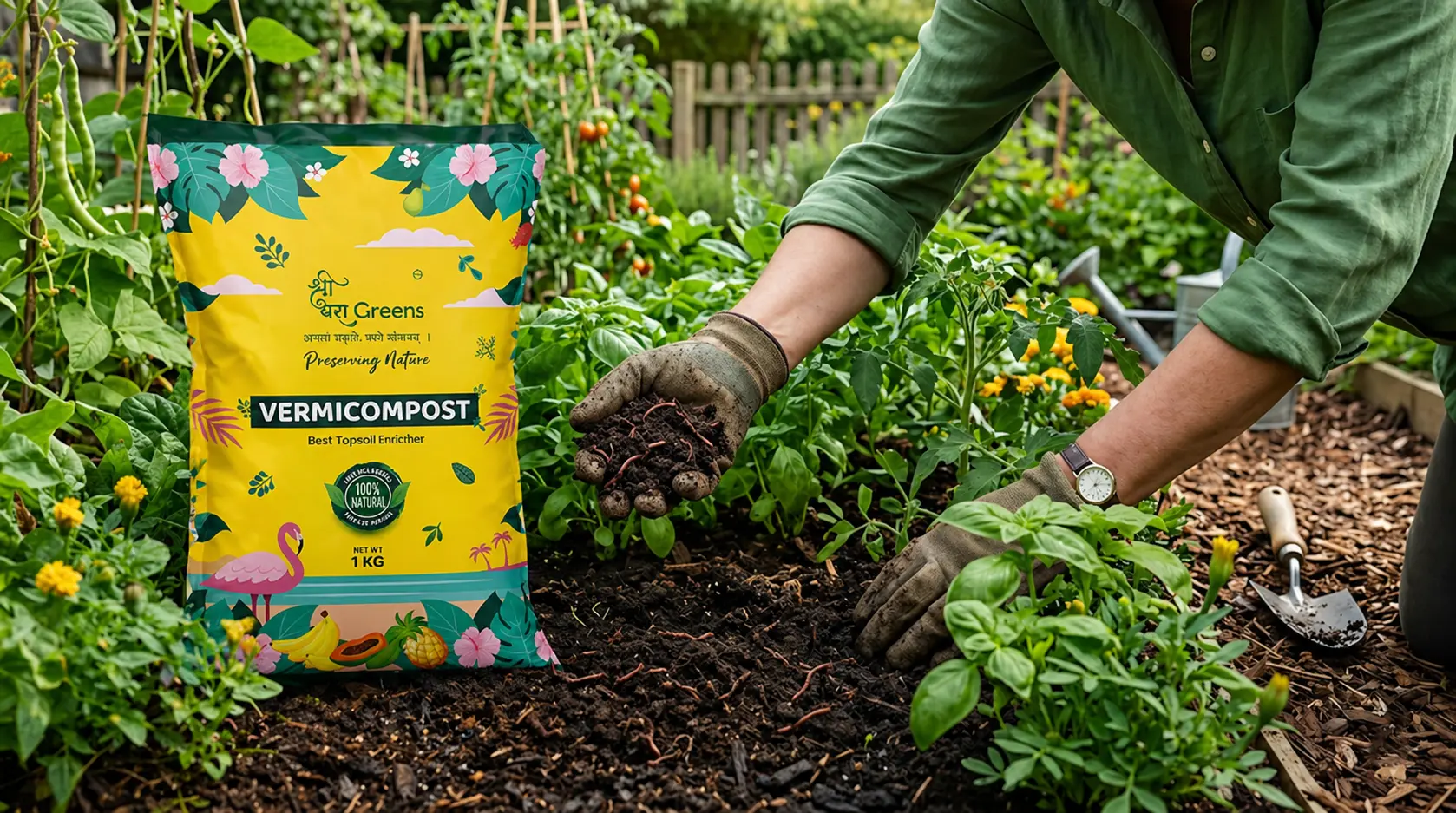
How Do You Apply Vermicompost to Plants?
The application method is just as important as quantity.
Step-by-step:
- Loosen the topsoil
- Add vermicompost
- Mix lightly
- Water the plant
👉 Avoid placing it directly on stems.
What Are the Benefits of Using Vermicompost Regularly?
Regular use of vermicompost:
- Improves soil fertility
- Boosts plant growth
- Enhances root development
- Increases yield
- Supports eco-friendly gardening
It’s one of the easiest ways to maintain healthy plants naturally.
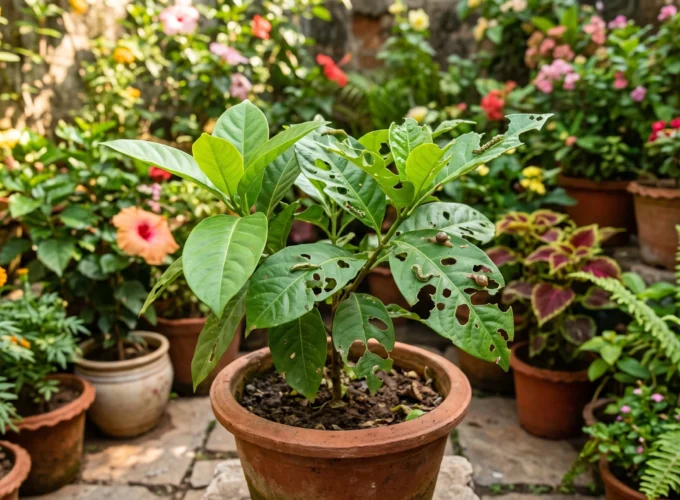
Why Are My Plants Not Growing Even After Using Vermicompost?
This is a very common question.
Possible reasons:
- Incorrect quantity
- Poor soil drainage
- Lack of sunlight
- Irregular watering
Vermicompost helps, but it’s not the only factor.
Can Vermicompost Replace Chemical Fertilizers?
Yes—in many cases.
Vermicompost:
- Provides essential nutrients
- Improves soil health
- Reduces chemical dependency
Ideal for organic gardening.
How Much Vermicompost for Indoor Plants?
Indoor plants require lighter feeding.
Recommended:
- 1 handful every 20–25 days
👉 Avoid overwatering after application.
Is Vermicompost Good for All Plants?
Yes—almost all plants benefit from it.
Suitable for:
- Vegetables
- Flowers
- Indoor plants
- Fruit plants
👉 It’s versatile and beginner-friendly.
What Is the Best Time to Add Vermicompost?
Timing can improve effectiveness.
Best times:
- Early morning
- Evening
Avoid:
- Midday heat
👉 Helps nutrients absorb better.
How to Store Vermicompost Properly?
To maintain quality:
- Keep in a cool, dry place
- Avoid direct sunlight
- Maintain slight moisture
👉 Proper storage ensures effectiveness.
Grow Better Plants with the Right Balance
Here’s the key takeaway:
Using the right amount of vermicompost fertilizer is not about guesswork—it’s about balance.
- Mix it properly
- Apply it consistently
- Combine with good care practices
Because when you get it right…
👉 Your plants don’t just grow—they thrive, naturally and beautifully