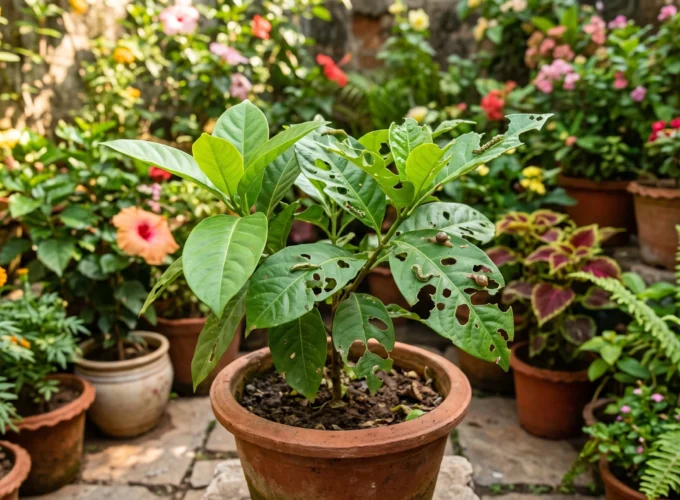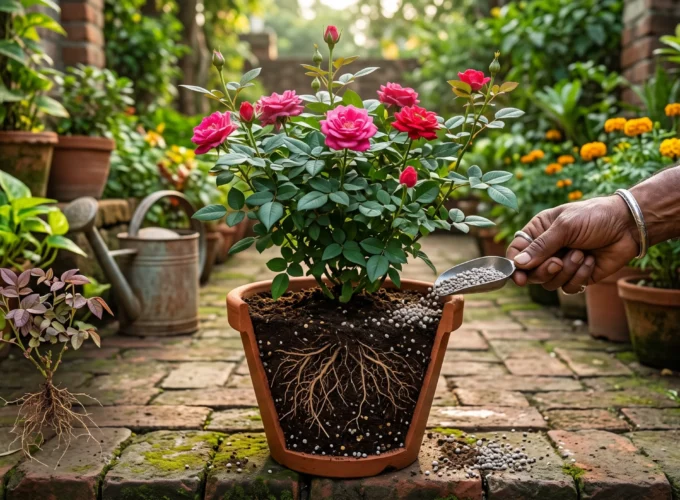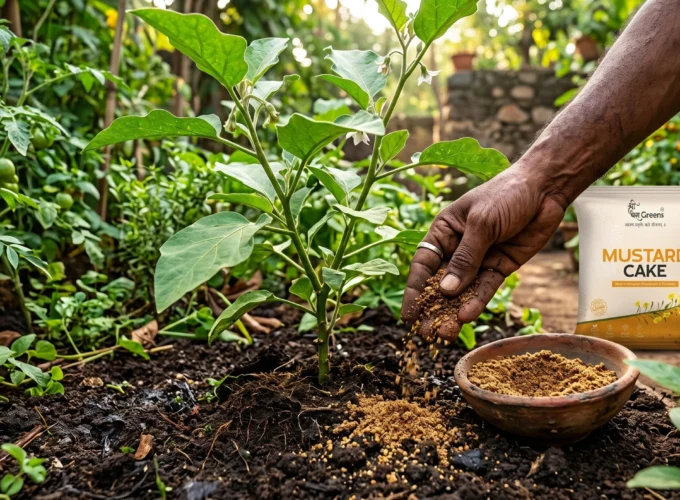
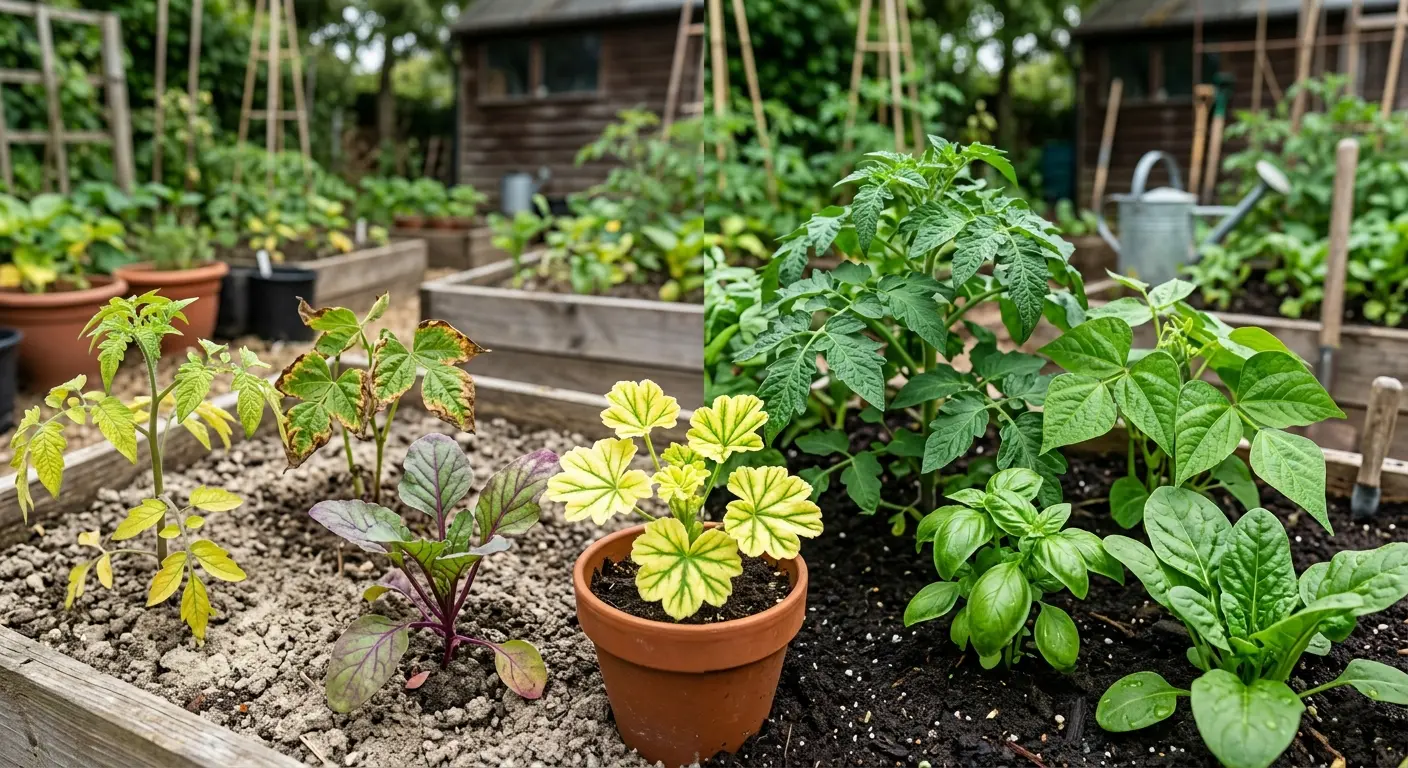
You water your plants, give them sunlight, and still… something feels off. Leaves don’t look as green, growth slows down, and flowers aren’t blooming as they should.
If you’ve ever wondered, “What are the early signs of nutrient deficiency in plants?”—you’re asking the right question at the right time.
Because catching these signs early can save your plants from long-term damage and help them grow stronger, healthier, and more productive.
Let’s break it down in a simple, practical way so you can identify and fix nutrient deficiencies before they become serious problems.
What Does Nutrient Deficiency in Plants Mean?
Plants need a balanced mix of nutrients to grow properly. These include:
- Macronutrients: Nitrogen (N), Phosphorus (P), Potassium (K)
- Micronutrients: Iron, Magnesium, Zinc, Calcium
When plants don’t get enough of these nutrients, they start showing visible signs—often through their leaves, stems, and overall growth.
Think of it as your plant’s way of saying: “I need help.”
What Are the First Signs of Nutrient Deficiency in Plants?
This is one of the most searched questions—and for good reason.
Early warning signs include:
- Yellowing leaves (chlorosis)
- Slow or stunted growth
- Pale or faded leaf color
- Weak stems
- Poor flowering or fruiting
These signs may seem small at first—but they quickly worsen if ignored.
Why Are My Plant Leaves Turning Yellow?
Yellow leaves are often the first visible symptom.
Possible causes:
- Nitrogen deficiency (older leaves turn yellow)
- Iron deficiency (new leaves turn yellow with green veins)
- Magnesium deficiency
The pattern of yellowing helps identify the exact issue.
How Does Nitrogen Deficiency Affect Plants?
Nitrogen is essential for leaf growth.
Signs of nitrogen deficiency:
- Older leaves turn yellow
- Slow growth
- Smaller leaves
Plants look weak and underdeveloped.
Fix:
- Add organic fertilizers
- Use vermicompost or compost
What Are the Symptoms of Phosphorus Deficiency?
Phosphorus supports root development and flowering.
Signs include:
- Dark green or purplish leaves
- Delayed growth
- Poor root development
Plants struggle to establish strong roots.
How Do You Identify Potassium Deficiency in Plants?
Potassium helps overall plant health.
Common signs:
- Yellow or brown edges on leaves
- Weak stems
- Reduced resistance to stress
Leaves may look burnt or dry at the edges.
What Are the Signs of Iron Deficiency in Plants?
Iron deficiency is very common, especially in indoor and potted plants.
Symptoms:
- Yellowing of young leaves
- Green veins with yellow tissue
This condition is called interveinal chlorosis.
Why Are My Plants Growing Slowly Despite Good Care?
If your plants:
- Get enough water
- Receive sunlight
- Still grows slowly
👉 Nutrient deficiency could be the reason.
Plants need nutrients to convert sunlight into energy.
Without them, growth slows down.
Can Poor Soil Cause Nutrient Deficiency?
Absolutely.
If your soil:
- Lacks organic matter
- Has poor drainage
- Is too compact
👉 Roots cannot absorb nutrients properly.
Fix:
- Improve soil with compost
- Use organic fertilizers
- Ensure proper aeration
How Do You Fix Nutrient Deficiency in Plants?
Let’s simplify it into actionable steps:
Step 1: Identify the Symptom
- Yellow leaves?
- Stunted growth?
- Leaf discoloration?
Step 2: Improve Soil Quality
- Add organic compost
- Use well-draining soil
Step 3: Use Balanced Fertilizers
- Provide essential nutrients
- Maintain a regular feeding schedule
Step 4: Add Organic Solutions
Products from trusted sources like Shridhara Greens can help restore nutrient balance naturally while improving soil health.
Can Overwatering Cause Nutrient Deficiency?
Yes—and this surprises many people.
When the soil is too wet:
- Nutrients get washed away
- Roots can’t absorb properly
This leads to deficiency symptoms even if nutrients are present.
How Often Should You Feed Plants to Avoid Deficiency?
Consistency is key.
General guideline:
- Every 15–30 days for most plants
- More frequently for fast-growing plants
Avoid irregular feeding schedules.
Are Indoor Plants More Prone to Nutrient Deficiency?
Yes.
Why?
- Limited soil
- Less nutrient availability
- Controlled environment
Indoor plants depend more on regular feeding.
What Are the Most Common Mistakes That Cause Nutrient Deficiency?
Avoid these:
- Ignoring soil quality
- Overwatering or underwatering
- Using poor-quality fertilizers
- Not feeding plants regularly
Small mistakes can lead to big problems over time.
How Can You Prevent Nutrient Deficiency in Plants?
Prevention is easier than fixing.
Follow these simple tips:
- Use nutrient-rich soil
- Add compost regularly
- Monitor plant health
- Maintain proper watering
- Use organic fertilizers
Healthy soil = healthy plants.
Strong Plants Start with Early Attention
Here’s the real insight:
Plants don’t suddenly become unhealthy—they show signs early.
- Yellow leaves
- Slow growth
- Weak structure
These are not problems—they are signals.
When you understand and act on these early signs of nutrient deficiency in plants, you don’t just fix issues…
You create the perfect environment for plants to grow stronger, greener, and more vibrant—naturally