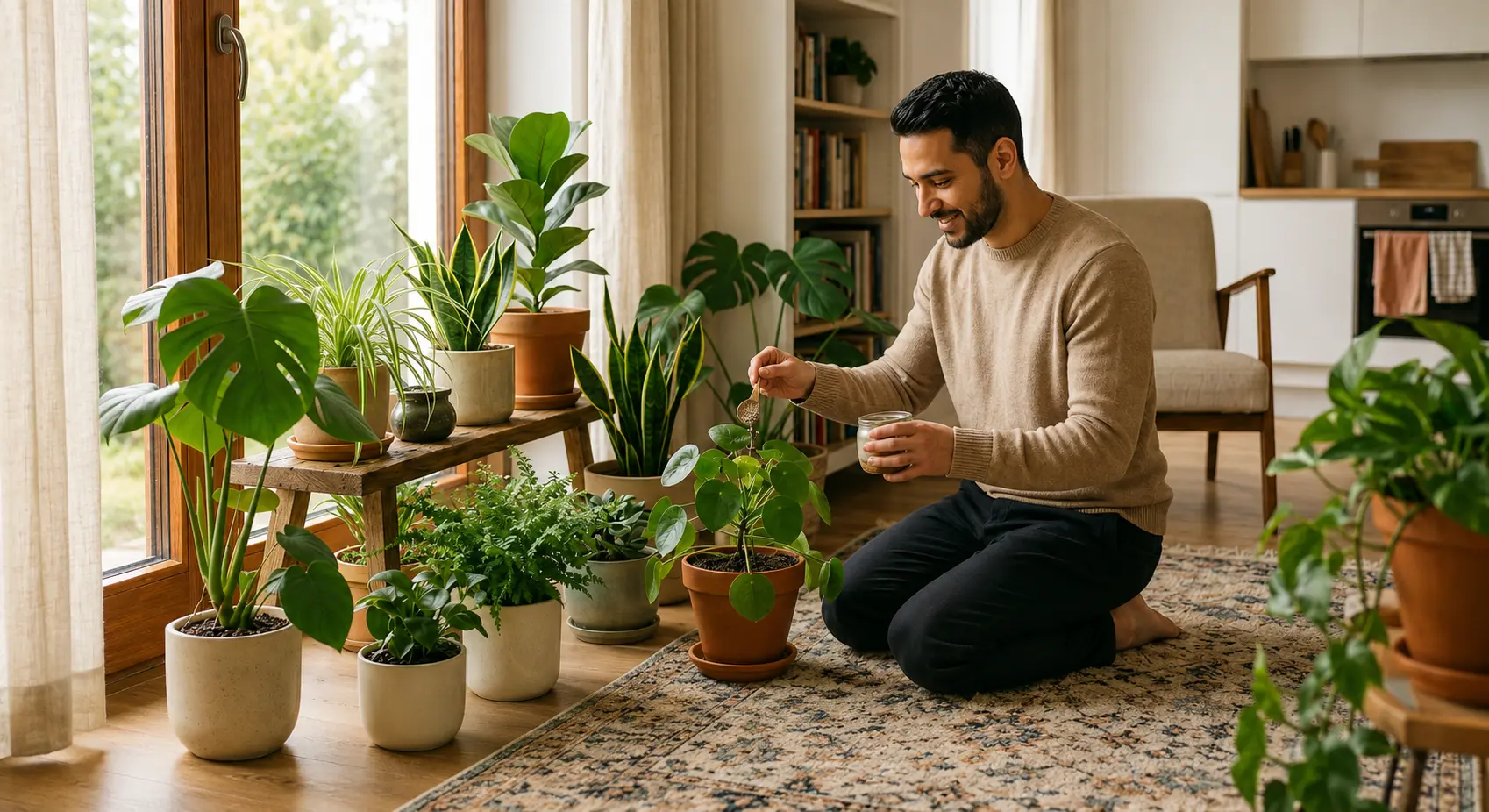
Indoor plants have become an important part of modern homes in India. From money plants and pothos to peace lilies and snake plants, indoor greenery improves home aesthetics, air quality, and overall mood.
But one common question many plant owners ask is:
What is the best time to fertilize indoor plants?
The answer is simple:
Indoor plants should ideally be fertilized during their active growing season, especially in spring and summer, when plants naturally absorb nutrients more efficiently and show faster growth.
Fertilizing at the right time helps indoor plants:
- Develop greener leaves
- Grow stronger roots
- Produce healthy foliage
- Recover from stress faster
- Maintain balanced growth
However, fertilizing at the wrong time or using excessive fertilizer can create problems like:
- Yellow leaves
- Root burn
- Weak growth
- Salt buildup
- Fungal issues
Understanding proper indoor plant fertilizing timing is important for healthier long-term plant care.
For premium organic fertilizers and indoor plant care products, visit Shridhara Greens.
Why Timing Matters When Fertilizing Indoor Plants
Indoor plants grow differently compared to outdoor plants because they receive:
- Limited sunlight
- Controlled airflow
- Smaller root space
- Indoor temperature conditions
This means indoor plants usually grow more slowly and require balanced feeding schedules.
Fertilizers work best when plants are actively growing. During active growth, plants absorb nutrients efficiently and use them for:
- New leaves
- Root development
- Stem growth
- Overall plant health
If fertilizer is applied when the plant is dormant or stressed, nutrients may remain unused in the soil and affect root health.
Best Season to Fertilize Indoor Plants
Spring: The Best Time to Start Fertilizing
Spring is generally the best season to fertilize indoor plants.
During spring:
- Plants wake up from slower winter growth
- New leaves start emerging
- Root activity increases
- Nutrient demand rises naturally
This is the ideal time to begin regular feeding schedules.
Indoor plants respond very positively to balanced organic fertilizers during this season.
Summer: Active Growing Period
Summer is another important growing season for most indoor plants.
Plants usually:
- Grow faster
- Produce more foliage
- Absorb nutrients efficiently
However, during extremely hot Indian summers:
- Avoid overfertilizing
- Water plants properly
- Avoid feeding during extreme afternoon heat
Plants exposed to balcony heat or direct sunlight may experience stress during peak summer.
Winter: Reduce Fertilizer Usage
During winter, many indoor plants slow down naturally.
This means:
- Growth becomes slower
- Root activity reduces
- Nutrient demand decreases
Excess fertilizer during winter may cause:
- Salt buildup
- Root stress
- Weak plant growth
Most indoor plants need minimal feeding during colder months.
Best Time of Day to Fertilize Indoor Plants
The best time to fertilize indoor plants is:
Early morning or mild daytime hours
Morning fertilization allows plants to:
- Absorb nutrients gradually
- Process moisture efficiently
- Reduce stress
Avoid fertilizing:
- Late at night
- During the harsh afternoon heat
Especially in Indian summers, hot temperatures can stress roots if fertilizer is applied during peak heat hours.
How Often Should Indoor Plants Be Fertilized?
Fertilizer frequency depends on:
- Plant variety
- Pot size
- Light exposure
- Fertilizer type
- Growth speed
Fast-Growing Indoor Plants
Plants like:
- Money plant
- Pothos
- Areca palm
may need more frequent feeding during active growth.
Slow-Growing Indoor Plants
Plants like:
- Snake plant
- ZZ plant
- Succulents
usually require less fertilizer.
Overfeeding slow-growing plants is a common indoor gardening mistake.
Signs Your Indoor Plants Need Fertilizer
Indoor plants often show visible nutrient deficiency signs.
Common signs include:
Yellow or Pale Leaves
Nitrogen deficiency may reduce leaf color intensity.
Slow Growth
Weak or delayed growth may indicate nutrient deficiency.
Small New Leaves
Plants lacking nutrition often produce smaller foliage.
Weak Stems
Poor nutrition may weaken overall plant structure.
Reduced Leaf Shine
Healthy indoor plants usually look vibrant and energetic.
Signs of Overfertilizing Indoor Plants
Too much fertilizer can damage indoor plants quickly because containers have limited soil volume.
Common overfertilization signs include:
- Brown leaf tips
- White salt buildup on soil
- Wilting
- Root stress
- Leaf burn
Balanced feeding is always better than excessive feeding.
Best Fertilizers for Indoor Plants
Organic fertilizers are highly recommended for indoor plants because they:
- Release nutrients gradually
- Improve soil health
- Reduce fertilizer burn risk
- Support microbial activity
Popular indoor plant fertilizers include:
Vermicompost
Improves:
- Soil fertility
- Root health
- Moisture retention
Seaweed Fertilizer
Supports:
- Stress resistance
- Greener foliage
- Healthier growth
Organic Liquid Fertilizers
Easy to apply and quickly absorbed by indoor plants.
Neem Cake
Supports mild nutrition and healthier soil biology.
You can explore premium organic gardening products at Shridhara Greens.
Common Indoor Plant Fertilizing Mistakes
Overfertilizing
Many plant owners think more fertilizer means faster growth.
In reality, excess fertilizer may harm roots and reduce plant health.
Fertilizing Dry Soil
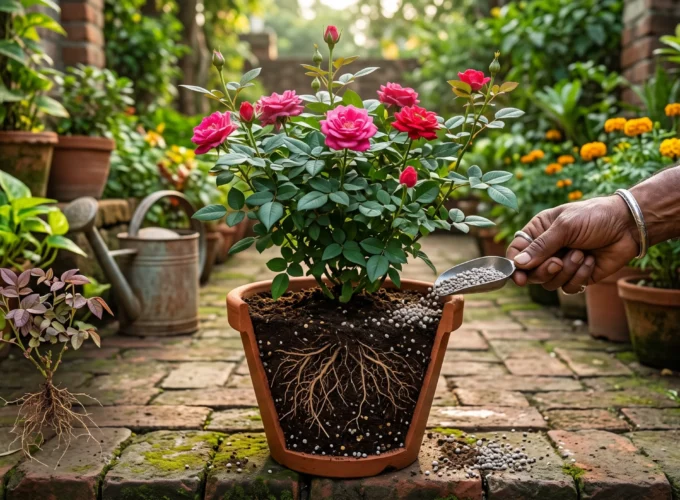
Always water lightly before applying fertilizer to prevent root stress.
Ignoring Seasonal Changes
Indoor plants do not require equal feeding throughout the year.
Using Strong Chemical Fertilizers Frequently
Heavy chemical fertilizers may create salt buildup in containers.
Organic fertilizers are generally safer for indoor gardening.
Indoor Plant Care Tips for Better Fertilizer Results
To improve fertilizer effectiveness:
- Use a well-draining potting mix
- Avoid overwatering
- Place plants in suitable light
- Repot root-bound plants
- Remove dead leaves regularly
- Maintain proper humidity
Healthy growing conditions improve nutrient absorption naturally.
Why Organic Fertilizers Are Better for Indoor Plants
Organic fertilizers support long-term soil health while reducing stress on indoor plants.
Benefits include:
- Slow nutrient release
- Better microbial activity
- Improved root growth
- Lower risk of fertilizer burn
- Balanced plant growth
This makes organic fertilizers ideal for indoor gardening and terrace gardening in India.
Frequently Asked Questions
What is the best month to fertilize indoor plants?
Spring and early summer are generally considered the best periods because plants actively grow during these seasons.
Can indoor plants be fertilized in winter?
Yes, but most indoor plants require less fertilizer during winter because growth slows naturally.
How often should indoor plants be fertilized?
Frequency depends on plant type and fertilizer type, but moderate feeding during active growth is usually ideal.
Are organic fertilizers safe for indoor plants?
Yes. Organic fertilizers are safer and provide balanced nutrition for indoor plants.
Can too much fertilizer damage indoor plants?
Yes. Overfertilizing may cause root stress, leaf burn, and salt buildup in containers.
Final Thoughts
The best time to fertilize indoor plants is during their active growing period, especially in spring and summer when plants naturally absorb nutrients more effectively.
Proper timing, balanced feeding, and the use of organic fertilizers help indoor plants grow:
- Greener
- Stronger
- Healthier
- More vibrant
Avoid overfertilizing and always adjust feeding schedules according to seasonal growth changes.
For healthier indoor gardening and premium organic plant care products, visit Shridhara Greens and support naturally thriving indoor plants.