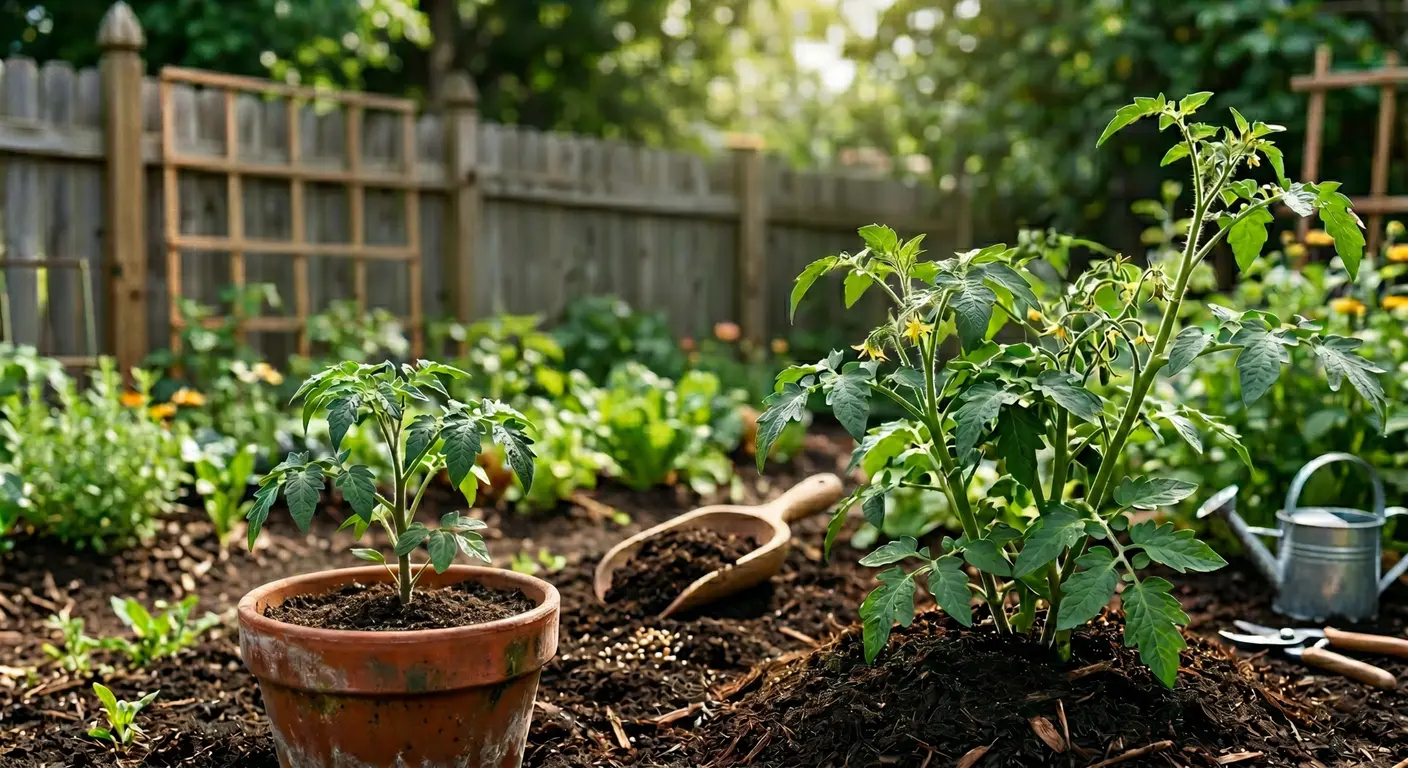
Many gardeners experience this situation:
You use the same organic fertilizer on two plants.
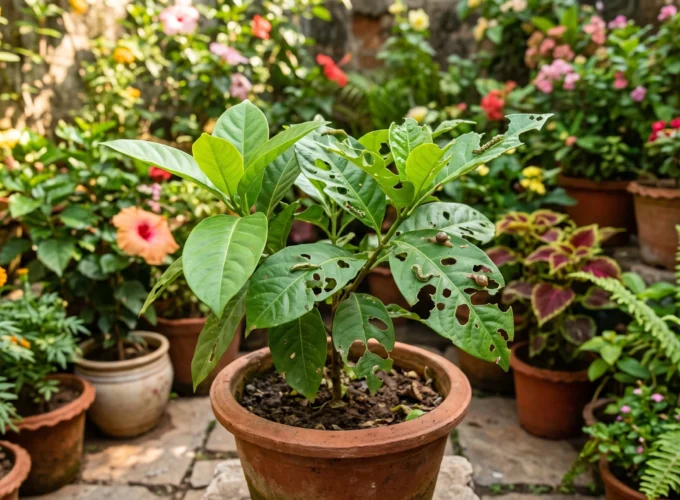
One plant is growing beautifully in the garden, while the other plant in a pot struggles with slow growth, weak flowering, or yellow leaves.
Naturally, the first thought is:
“Maybe the fertilizer is not working properly.”
But in reality, the fertilizer may not be the problem at all.
The actual difference often comes from the growing environment itself.
Organic fertilizers behave very differently in pots compared to garden soil.
The same fertilizer can produce completely different results depending on:
- Soil depth
- Drainage
- Moisture retention
- Root space
- Microbial activity
- Temperature
- Aeration
This is especially important for Indian gardeners because modern urban gardening relies heavily on:
- Pots
- Grow bags
- Terrace gardening
- Balcony gardening
- Container gardening
Understanding why organic fertilizers react differently in containers versus ground soil can help gardeners avoid common mistakes and achieve healthier plant growth naturally.
In this detailed guide, you will learn:
- Why do fertilizers behave differently in pots and soil
- How root systems affect nutrient absorption
- Why do drainage changes affect fertilizer efficiency
- Common container gardening mistakes
- How to improve fertilizer performance in pots
- Best organic fertilizers for both growing methods
Why Organic Fertilizers Work Differently in Different Growing Conditions
Organic fertilizers are not instant chemical feeds.
They depend on natural biological activity inside the growing medium.
When organic fertilizer is applied:
- Microbes begin decomposing organic matter
- Nutrients gradually release
- Roots absorb available nutrients
- Soil structure improves over time
Because this process depends on environmental conditions, fertilizer performance changes significantly between:
- Open garden soil
- Containers
- Pots
- Raised beds
- Grow bags
That is why two plants receiving the same fertilizer may still grow differently.
Premium-quality organic fertilizers suitable for both pots and garden soil are available at Shridhara Greens and through the specialized Organic Fertilizers Collection.
The Biggest Difference: Root Space
Garden Soil Provides Unlimited Root Expansion
Plants growing directly in the ground usually have:
- Deeper roots
- Wider root spread
- Better nutrient exploration
- Greater moisture access
This allows plants to naturally search for nutrients and water, even if fertilizer distribution is uneven.
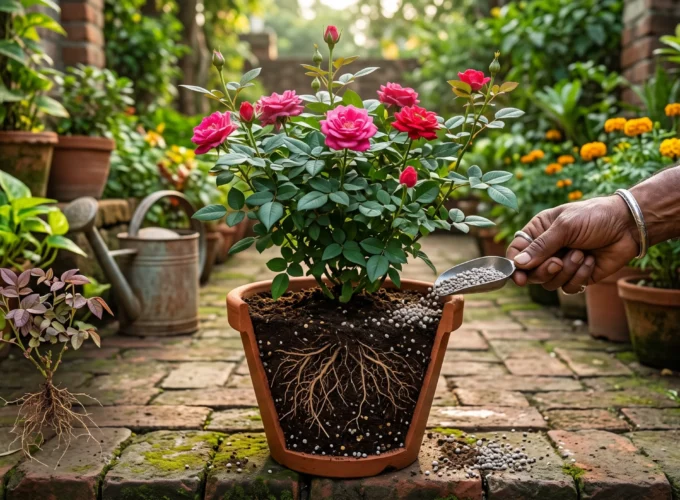
Pots Restrict Root Growth
In pots and containers:
- Root space is limited
- Nutrient zones become concentrated
- Water movement changes
- Oxygen availability becomes restricted faster
This means fertilizer performance becomes much more sensitive in pots.
Even small mistakes in watering or fertilizing can affect plants quickly.
Why Organic Fertilizers Often Work Better in Garden Soil
Natural Soil Ecosystems Are More Stable
Garden soil naturally contains:
- Earthworms
- Beneficial fungi
- Microorganisms
- Organic matter
- Natural nutrient cycles
These living systems help break down organic fertilizers efficiently.
As a result:
- Nutrients release gradually
- Soil fertility improves naturally
- Plants receive balanced feeding
Potting Mixes Contain Limited Microbial Activity
Container potting mixes often contain:
- Cocopeat
- Perlite
- Compost
- Lightweight media
While excellent for drainage, these mixes may have lower natural microbial diversity compared to ground soil.
This can slow organic fertilizer breakdown unless the potting mix is maintained properly.
Moisture Retention Changes Fertilizer Performance
Garden Soil Retains Moisture More Naturally
Deep soil layers help maintain stable moisture conditions.
This supports:
- Microbial activity
- Organic matter decomposition
- Nutrient release
Organic fertilizers usually perform more steadily in these stable environments.
Pots Dry Out Faster
Containers lose moisture quickly due to:
- Heat exposure
- Wind
- Limited soil volume
When the potting media becomes too dry:
- Microbial activity slows
- Nutrient release reduces
- Root absorption weakens
As a result, the same fertilizer may appear “less effective” in pots.
Drainage Makes a Huge Difference
Pots Have Faster Nutrient Loss
Every time water drains from a pot:
- Some nutrients may wash away
- Organic matter may break down differently
- Fertility may decline faster
This happens more frequently in:
- Small pots
- Clay pots
- Grow bags
- Balcony containers
Garden Soil Holds Nutrients Longer
Ground soil usually retains nutrients more effectively because:
- Soil depth is greater
- Organic matter accumulates naturally
- Microbial ecosystems are stronger
This improves long-term fertilizer performance.
Temperature Affects Organic Fertilizer Activity
Pots Heat Up Faster
In Indian summers, containers exposed to direct sunlight may become extremely hot.
High temperatures can:
- Dry microbial populations
- Stress roots
- Reduce nutrient availability
- Speed up moisture evaporation
This affects how organic fertilizers break down.
Ground Soil Stays Cooler
Garden soil generally maintains more stable temperatures, supporting healthier microbial activity and root systems.
Why Overfertilization Happens More in Pots
Limited Soil Volume Creates Nutrient Concentration
In containers, nutrients stay concentrated in a small root zone.
Excess organic fertilizer may cause:
- Salt buildup
- Root stress
- Fungal growth
- Poor drainage
Even organic fertilizers can create an imbalance when overused in small pots.
Garden Soil Buffers Nutrient Excess Better
Ground soil naturally dilutes nutrients across larger areas.
This reduces sudden nutrient stress.
Watering Frequency Changes Fertilizer Efficiency
Pot Plants Need Frequent Watering
Frequent watering may:
- Flush nutrients faster
- Reduce microbial stability
- Increase fertilizer demand
This is one reason potted plants often require more regular feeding schedules.
Garden Plants Access Deeper Moisture
Plants in open soil can access moisture from deeper layers, helping maintain nutrient balance more consistently.
Why Organic Fertilizers Need More Attention in Containers
Organic fertilizers work beautifully in pots — but container gardening requires better management.
Gardeners should monitor:
- Moisture balance
- Drainage
- Root space
- Pot size
- Organic matter quality
Container gardening is less forgiving than open soil gardening.
Best Organic Fertilizers for Pots
Vermicompost
Vermicompost works extremely well in pots because it:
- Improves microbial activity
- Enhances soil texture
- Supports root health
- Releases nutrients gently
Seaweed Fertilizer
Seaweed fertilizers support:
- Stress resistance
- Root development
- Better flowering
Especially useful for terrace gardens.
Compost
Compost improves:
- Moisture retention
- Soil structure
- Microbial activity
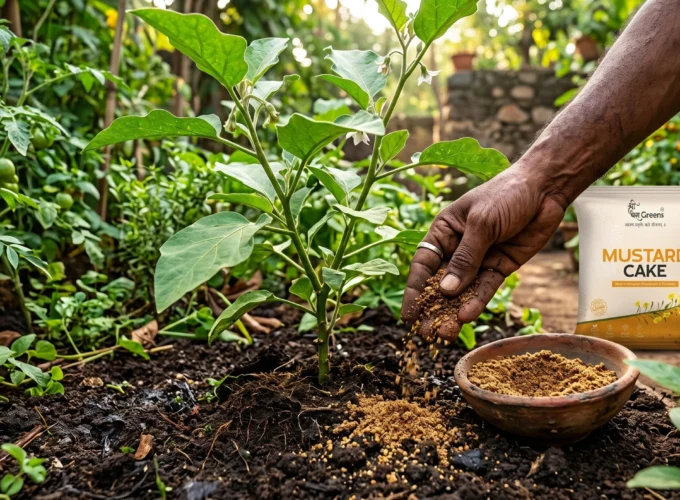
Neem Cake
Neem cake provides:
- Mild nutrition
- Pest management support
- Improved soil health
How to Improve Organic Fertilizer Performance in Pots
Use Larger Containers
Larger pots:
- Hold moisture better
- Support healthier roots
- Reduce nutrient stress
Add Organic Matter Regularly
Refresh potting mix with:
- Compost
- Vermicompost
- Cocopeat
to maintain microbial life.
Mulch the Surface
Mulching reduces:
- Moisture loss
- Heat stress
- Nutrient fluctuations
Avoid Overwatering
Excess water washes nutrients away and reduces oxygen availability.
Improve Potting Mix Quality
Healthy potting mix improves:
- Drainage
- Nutrient retention
- Root aeration
Why Terrace Gardeners Often Face Fertilizer Confusion
Many Indian terrace gardeners compare:
- Pot plants
- Ground plants
- Neighbor gardens
without realizing that environmental conditions are completely different.
The fertilizer may be correct, but the growing conditions may not support its full performance.
Common Mistakes Gardeners Make
Using Garden Soil Directly in Pots
Garden soil often becomes compacted in containers.
Overfertilizing Small Pots
Small containers require careful nutrient management.
Ignoring Pot Size
Root restriction affects nutrient absorption heavily.
Expecting Pot Plants to Behave Like Ground Plants
Container gardening always requires more active management.
Best Plants for Organic Fertilizers in Pots
Organic fertilizers work well for:
- Tomatoes
- Chili plants
- Tulsi
- Money plant
- Hibiscus
- Roses
- Herbs
- Indoor foliage plants
when moisture and drainage are balanced properly.
Frequently Asked Questions
Why do potted plants need more fertilizer attention?
Pots have limited soil volume, faster drainage, and reduced microbial activity compared to garden soil.
Do organic fertilizers work better in garden soil?
Often, yes, because garden soil supports stronger natural ecosystems and moisture balance.
Can organic fertilizers burn plants in pots?
Yes, excessive application in small containers may create nutrient concentration problems.
Why do container plants dry faster?
Containers have less soil volume and greater exposure to heat and airflow.
Which organic fertilizer is best for pots?
Vermicompost, compost, seaweed fertilizer, and neem cake are excellent choices for container gardening.
Final Thoughts
The same organic fertilizer can produce very different results in pots and garden soil because the growing environments are completely different.
Garden soil naturally supports:
- Better microbial activity
- Stable moisture
- Deep root growth
- Long-term nutrient cycling
Pots and containers, on the other hand, require:
- Better watering management
- Balanced fertilization
- Proper drainage
- Regular organic matter replenishment
Understanding these differences helps gardeners avoid frustration and improve plant health naturally.
For Indian terrace gardeners, balcony gardeners, and home plant lovers, successful organic gardening depends not only on fertilizer quality, but also on understanding how growing conditions affect fertilizer performance.
If you are looking for trusted organic fertilizers, compost solutions, and plant nutrition products for healthier container gardening and soil gardening, visit Shridhara Greens and explore the premium Organic Fertilizers Collection for naturally healthier plants and gardens.