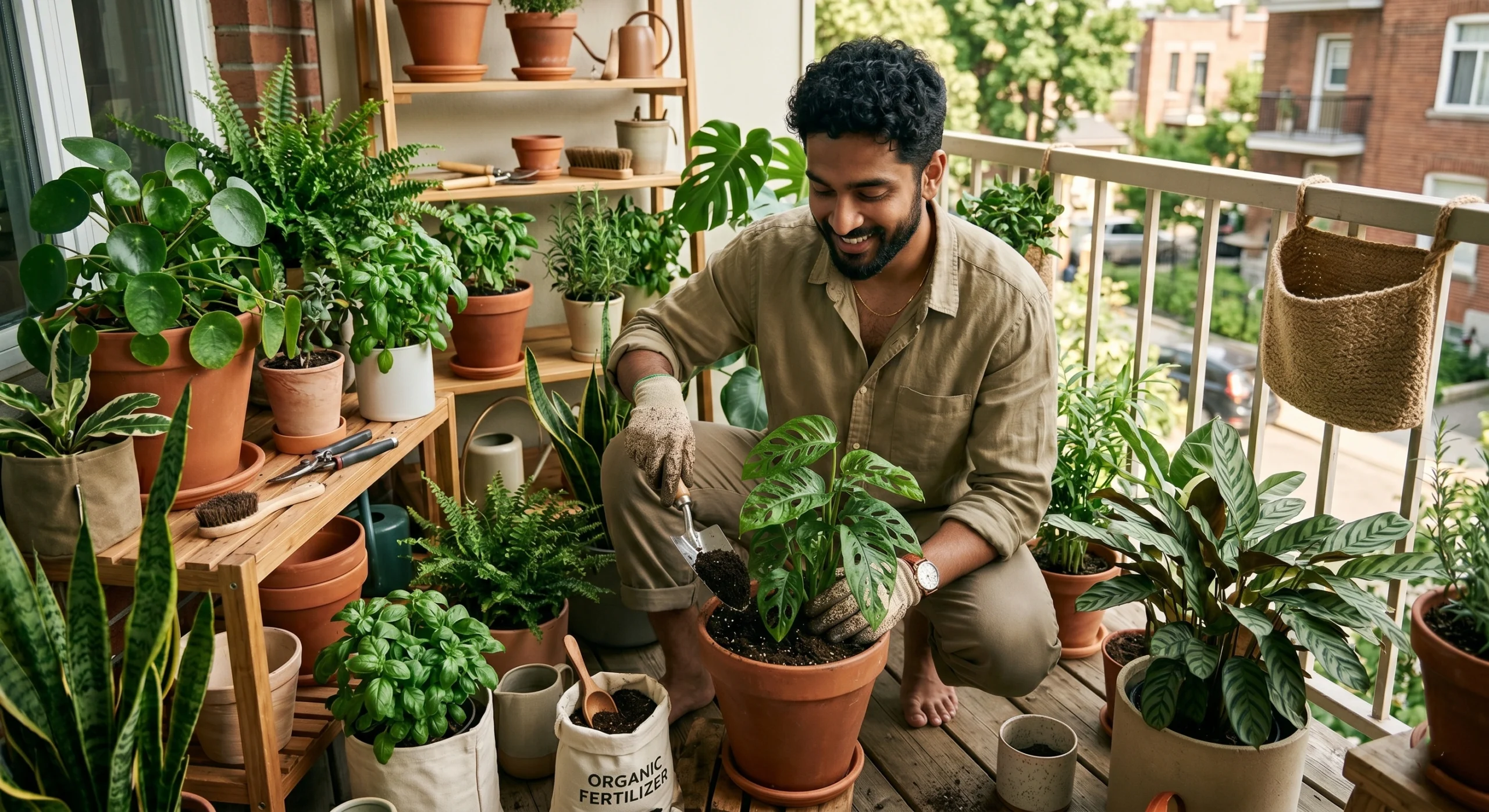
Potted plants have become an essential part of modern gardening in India. From balcony gardens and terrace setups to indoor plants and decorative containers, more people are growing plants in pots than ever before.
However, many gardeners face one common issue:
“Why are my potted plants not growing properly even after fertilizing?”
The answer often lies in how fertilizers are being used.
Unlike garden soil, pots contain limited growing space. Nutrients get used faster, water drains quickly, and roots have restricted space. This means potted plants require balanced and proper fertilization to stay healthy.
This is where organic fertilizers become highly beneficial.
Organic fertilizers improve:
- Soil fertility
- Root growth
- Moisture retention
- Microbial activity
- Overall plant health
But to get the best results, they must be used correctly.
In this detailed guide, you will learn:
- How to use organic fertilizer for potted plants
- Best organic fertilizers for containers
- Correct application methods
- Fertilizing frequency
- Common mistakes to avoid
- Tips for healthier container gardening
For premium organic gardening products and fertilizers, visit Shridhara Greens and explore the specialized Organic Fertilizers Collection.
Why Potted Plants Need Regular Fertilization
Plants growing in pots depend completely on the nutrients available inside the container.
Unlike ground soil, containers:
- Have limited nutrient storage
- Lose nutrients faster through watering
- Dry out more quickly
- Support smaller root systems
Over time, the potting mix becomes nutrient-deficient.
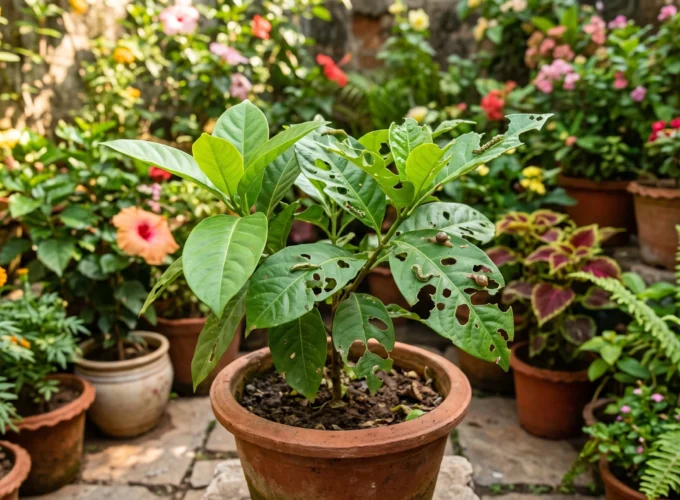
Without proper feeding, potted plants may show:
- Yellow leaves
- Weak growth
- Small flowers
- Poor fruiting
- Slow root development
Organic fertilizers help replenish nutrients naturally while improving overall soil health inside the pot.
Why Organic Fertilizers Are Better for Potted Plants
Organic fertilizers are especially suitable for container gardening because they:
- Release nutrients slowly
- Improve soil texture
- Reduce fertilizer burn risk
- Support beneficial microbes
- Improve moisture retention
Chemical fertilizers may sometimes create salt buildup in pots, especially when overused.
Organic fertilizers provide more balanced and gentle nutrition.
How to Use Organic Fertilizer in Potted Plants
1. Start with Healthy Potting Mix
Organic fertilizer works best in healthy soil.
A good potting mix should contain:
- Cocopeat
- Compost
- Garden soil
- Perlite or sand
- Organic matter
Healthy soil improves nutrient absorption naturally.
2. Apply Fertilizer in Moderate Quantity
One of the biggest mistakes gardeners make is overfertilizing potted plants.
Too much fertilizer may:
- Stress roots
- Reduce oxygen flow
- Create salt buildup
- Cause fungal problems
Always apply organic fertilizers in balanced amounts.
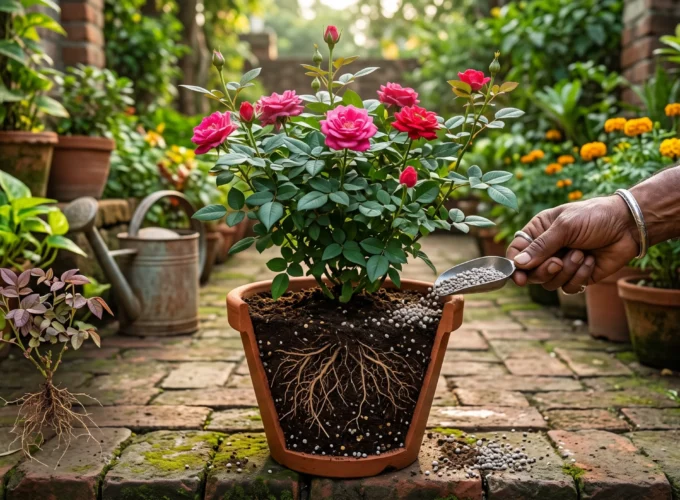
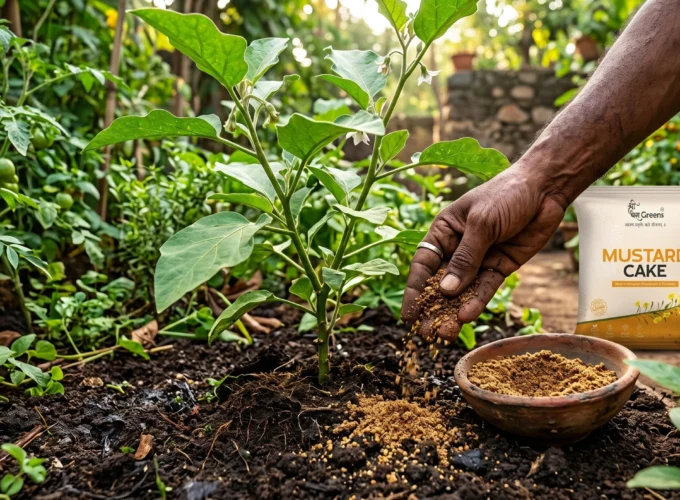
3. Mix Fertilizer into Top Soil
For solid organic fertilizers like vermicompost or compost:
- Loosen the top soil gently
- Add fertilizer near the surface
- Mix lightly
- Water properly afterward
This improves nutrient availability.
4. Water After Fertilizing
Water helps nutrients spread evenly through the potting mix.
Never leave dry fertilizer sitting on top of dry soil for long periods.
5. Use Liquid Fertilizers Carefully
Organic liquid fertilizers should usually be diluted according to instructions.
Over-concentrated liquid fertilizers may stress roots even if they are organic.
Best Time to Fertilize Potted Plants
The ideal time is:
Early morning or evening
Avoid fertilizing during:
- Extreme afternoon heat
- Waterlogged conditions
- Harsh sunlight
Plants absorb nutrients more efficiently during cooler periods.
Best Season to Fertilize Potted Plants
Spring and Summer
These are the active growth seasons for most plants.
Plants usually:
- Grow faster
- Produce more leaves
- Need more nutrients
Winter
Many plants slow down during winter.
Reduce fertilizer frequency during colder months.
How Often Should You Fertilize Potted Plants?
Frequency depends on:
- Plant type
- Pot size
- Fertilizer type
- Growth stage
Fast-Growing Plants
Vegetables and flowering plants may require regular feeding.
Slow-Growing Plants
Snake plants and succulents usually require less fertilizer.
Organic fertilizers are generally applied more regularly in smaller quantities compared to strong chemical fertilizers.
Signs Your Potted Plants Need Fertilizer
Common signs include:
- Yellow leaves
- Slow growth
- Small flowers
- Weak stems
- Pale foliage
- Poor flowering
Balanced feeding usually improves these symptoms gradually.
Common Mistakes While Using Organic Fertilizers in Pots
Overwatering After Fertilizing
Excess water may wash nutrients away quickly.
Using Poor Drainage Pots
Poor drainage causes:
- Root rot
- Fungal growth
- Nutrient imbalance
Applying Too Much Fertilizer
Even organic fertilizers can stress plants if overused.
Ignoring Pot Size
Small pots require careful nutrient management because nutrients become concentrated quickly.
Using Fresh Compost Directly
Unprocessed organic matter may generate heat and affect roots.
Always use mature compost.
Tips for Better Fertilizer Performance in Pots
Repot Plants Periodically
Old potting mix gradually loses fertility.
Add Organic Matter Regularly
Refresh soil with:
- Compost
- Vermicompost
- Cocopeat
Maintain Proper Drainage
Healthy drainage improves root health and nutrient absorption.
Monitor Moisture Levels
Potted plants dry faster compared to ground soil.
Benefits of Organic Fertilizer for Container Gardening
Organic fertilizers help:
- Improve root strength
- Increase flowering
- Support greener leaves
- Improve soil texture
- Reduce plant stress
- Support microbial activity
Healthy soil creates healthier plants naturally.
Why Organic Gardening Is Growing in India
Indian gardeners increasingly prefer organic fertilizers because they:
- Support sustainable gardening
- Improve soil naturally
- Reduce chemical exposure
- Help terrace gardening
- Improve long-term plant health
Container gardening especially benefits from organic feeding methods.
Frequently Asked Questions
Which organic fertilizer is best for potted plants?
Vermicompost, compost, seaweed fertilizer, and organic liquid fertilizers are excellent choices for potted plants.
How often should I fertilize potted plants?
Frequency depends on plant type and growth stage, but moderate regular feeding is generally ideal.
Can organic fertilizer burn potted plants?
Yes, excessive use may stress roots even though organic fertilizers are generally safer than chemical fertilizers.
Is vermicompost good for indoor plants?
Yes. Vermicompost improves soil fertility and supports healthier indoor plant growth naturally.
Should I water plants after fertilizing?
Yes. Proper watering helps nutrients spread evenly through the soil.
Final Thoughts
Using organic fertilizer correctly can dramatically improve the health and growth of potted plants.
Because containers have limited soil and nutrients, regular balanced feeding becomes essential for:
- Healthy foliage
- Better flowering
- Stronger roots
- Improved plant growth
Organic fertilizers work especially well for potted plants because they improve soil quality naturally while reducing fertilizer burn risk.
The key is using:
- Proper quantity
- Healthy potting mix
- Balanced watering
- Good drainage
- Regular feeding schedules
For Indian balcony gardens, terrace gardens, and indoor plants, organic fertilizers provide one of the safest and most sustainable ways to grow healthier plants naturally.
If you are looking for premium organic fertilizers and container gardening products, visit Shridhara Greens and explore the specialized Organic Fertilizers Collection for naturally thriving potted plants.