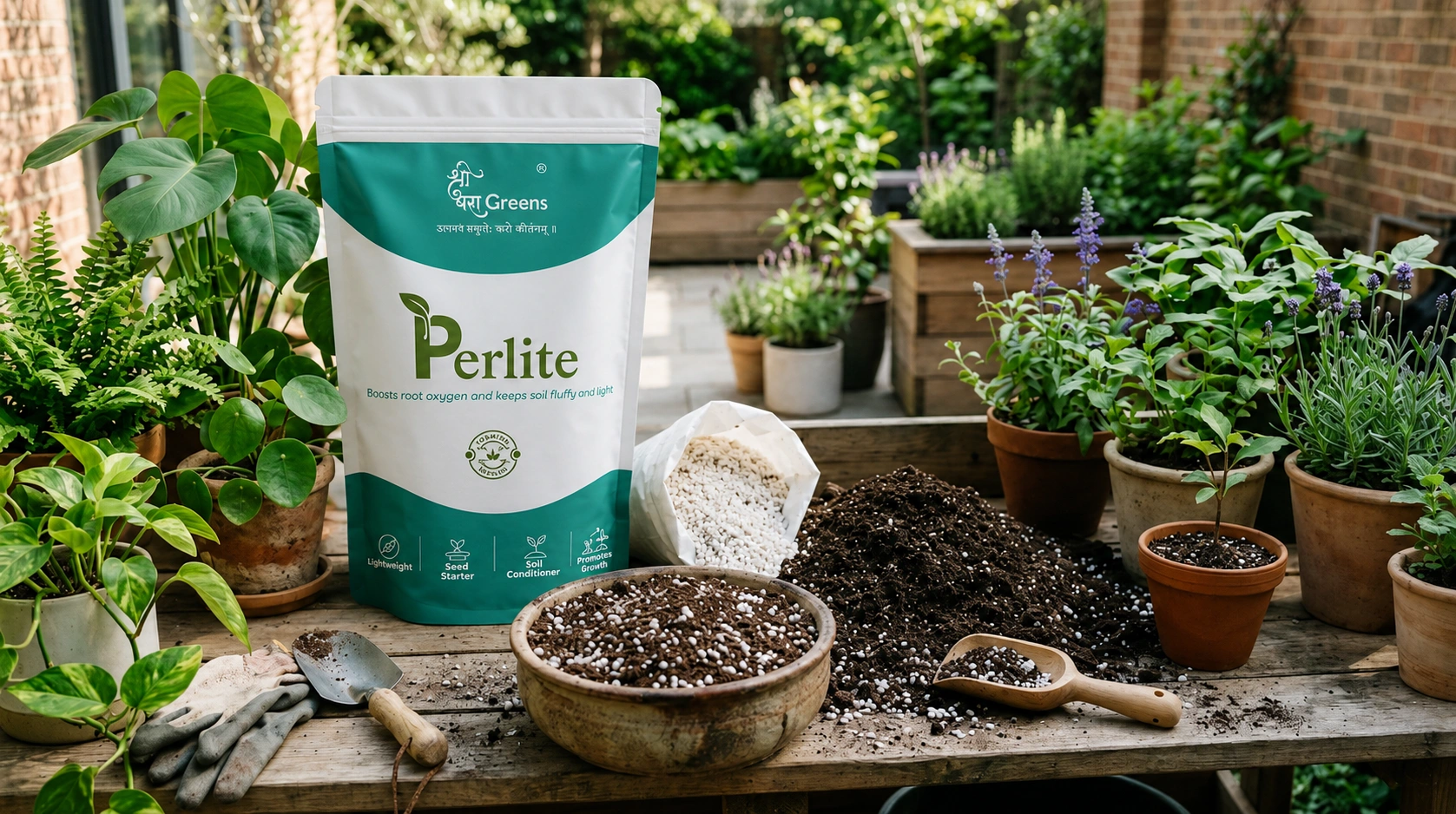
If you have ever searched for potting mix recipes or gardening tips online, you have probably seen one ingredient mentioned repeatedly:
Perlite
Many gardeners use it in:
- Indoor plant mixes
- Succulent soil
- Seed starting trays
- Terrace gardening
- Potting soil blends
But at the same time, many beginners ask:
“Do I actually need perlite for plants?”
The answer is:
Not always — but in many cases, perlite can significantly improve plant health when used correctly.
The problem is that most gardeners either:
- Use too much perlite
- Use it for the wrong plants
- Skip it completely, even when their soil desperately needs better drainage
Understanding what perlite actually does is important before adding it to every potting mix.
In this complete beginner-friendly guide, you will learn:
- What perlite is
- Why gardeners use perlite
- Which plants need perlite
- When perlite is unnecessary
- How to use perlite correctly
- Common perlite mistakes gardeners make
For premium gardening products and soil improvement solutions, visit Shridhara Greens and explore the specialized Perlite for Plants Collection.
What Is Perlite?
Perlite is a lightweight white material commonly used in gardening and potting mixes.
It is made from natural volcanic glass that expands when heated at high temperatures.
The result is a lightweight material with:
- Excellent aeration
- Good drainage support
- Low weight
- Porous structure
Perlite itself does not provide nutrients to plants.
Instead, it improves the growing environment around plant roots.
What Does Perlite Actually Do for Plants?
Many people think perlite is a fertilizer.
It is not.
Perlite mainly improves:
- Soil aeration
- Drainage
- Root oxygen supply
- Soil texture
This becomes especially important in:
- Pots
- Grow bags
- Indoor plant containers
- Terrace gardens
Do All Plants Need Perlite?
No.
This is where many gardeners get confused.
Not every plant requires perlite.
Some plants love airy, fast-draining soil, while others prefer moisture-retentive soil.
The key is understanding your plant’s natural growing needs.
Plants That Usually Benefit from Perlite
Perlite works especially well for plants that dislike soggy soil.
Succulents and Cacti
These plants need excellent drainage.
Perlite helps prevent:
- Root rot
- Excess moisture retention
Indoor Plants
Plants like:
- Snake plant
- ZZ plant
- Pothos
- Monstera
often benefit from better aeration in containers.
Seed Germination
Perlite improves:
- Root oxygen
- Seedling drainage
- Germination environment
Terrace Garden Plants
Container-grown vegetables often grow better with improved drainage and lighter soil.
When Perlite May Not Be Necessary
Some gardeners blindly add perlite to every pot.
But certain situations may not require much perlite.
Moisture-Loving Plants
Plants that prefer consistently moist soil may need less perlite.
Examples include:
- Ferns
- Peace lilies
- Some tropical plants
Too much perlite may dry the soil too quickly.
Large Ground Gardens
Open garden soil already has natural drainage in many cases.
Perlite is more important in containers than in ground planting.
Already Loose Potting Mix
If your potting mix already drains very well, excessive perlite may reduce moisture retention unnecessarily.
Benefits of Using Perlite for Plants
Improves Root Aeration
Healthy roots need oxygen.
Perlite helps roots breathe better inside containers.
Prevents Soil Compaction
Over time, potting soil becomes dense and compacted.
Perlite keeps the soil lighter and looser.
Improves Drainage
This reduces:
- Waterlogging
- Root rot
- Fungal problems
Makes Potting Mix Lightweight
This is especially useful for:
- Balcony gardens
- Terrace gardens
- Hanging pots
Heavy soil can become difficult to manage in urban gardening setups.
Supports Healthier Root Growth
Roots grow better in loose and airy growing media.
How to Use Perlite for Plants Correctly
The biggest mistake gardeners make is using too much perlite.
Perlite should be mixed properly with:
- Soil
- Cocopeat
- Compost
- Organic matter
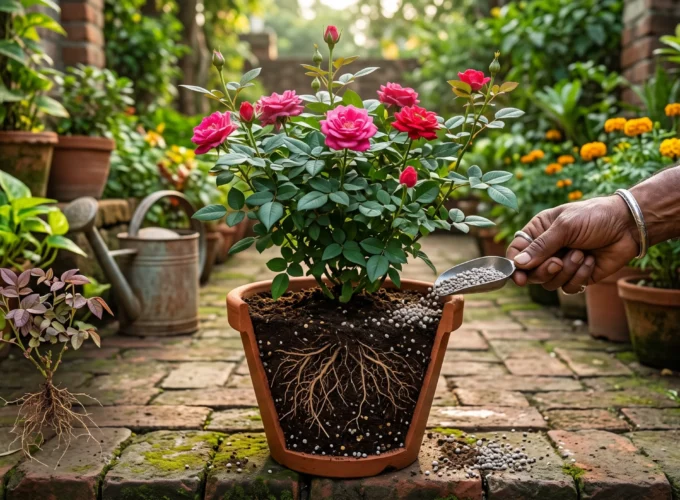
Basic Perlite Potting Mix Ratio
A simple beginner-friendly mix:
- 40% garden soil
- 30% cocopeat
- 20% compost
- 10% perlite
This creates:
- Good drainage
- Balanced moisture
- Better root aeration
Perlite Mix for Succulents
Succulents require faster drainage.
Recommended mix:
- 40% soil
- 30% sand
- 20% perlite
- 10% compost
Perlite Mix for Indoor Plants
Indoor plants generally benefit from moderate perlite use.
Recommended mix:
- 40% cocopeat
- 30% soil
- 20% compost
- 10% perlite
Common Mistakes Gardeners Make with Perlite
Using Too Much Perlite
Excessive perlite may:
- Dry soil too quickly
- Reduce moisture retention
- Create unstable potting mix
Thinking Perlite Is Fertilizer
Perlite improves soil structure but does not feed plants directly.
Plants still require:
- Organic fertilizers
- Compost
- Nutrient support
Ignoring Watering Adjustments
Perlite changes drainage behavior.
You may need to water slightly more frequently depending on your mix.
Using Poor Potting Mix with Perlite
Perlite cannot fix completely unhealthy or poor-quality soil alone.
Perlite vs Vermiculite
Many beginners confuse these two materials.
| Perlite | Vermiculite |
| Improves drainage | Retains moisture |
| Increases aeration | Holds water longer |
| Lightweight | Softer texture |
| Best for succulents | Best for seed starting |
Both materials serve different purposes.
Why Perlite Is Popular in Indian Gardening
Urban gardening in India has increased rapidly.
Many gardeners now grow plants in:
- Pots
- Grow bags
- Balcony gardens
- Terrace gardens
These setups often face:
- Poor drainage
- Heavy soil
- Heat stress
- Root compaction
Perlite helps improve growing conditions naturally in such environments.
Is Perlite Safe for Organic Gardening?
Yes.
Perlite is commonly used in organic gardening because it is:
- Inorganic but natural
- Non-toxic
- Sterile
- pH neutral
It improves soil structure without harming plants.
Best Combination with Perlite
Perlite works best when combined with:
- Cocopeat
- Vermicompost
- Compost
- Organic fertilizers
This creates a balanced growing environment with:
- Moisture retention
- Nutrient support
- Proper drainage
Explore premium gardening products and soil improvement solutions at Shridhara Greens Perlite Collection.
Frequently Asked Questions
Is perlite necessary for all plants?
No. Perlite is most useful for plants that require better drainage and aeration.
Does perlite help prevent root rot?
Yes. Perlite improves drainage and reduces excess moisture around roots.
Can I use perlite alone for plants?
Perlite is usually mixed with soil and organic matter rather than used alone.
Is perlite good for indoor plants?
Yes. Indoor plants often benefit from improved aeration and drainage in pots.
Does perlite replace fertilizer?
No. Perlite improves soil structure but does not provide nutrients.
Final Thoughts
So, do you really need perlite for plants?
In many cases — yes.
Especially for:
- Container gardening
- Indoor plants
- Succulents
- Terrace gardens
- Poor-draining soil mixes
Perlite improves aeration, prevents soil compaction, and helps roots stay healthier.
However, perlite is not a magic ingredient that every plant needs in large amounts. The key is understanding your plant’s moisture and drainage requirements before adding it to your potting mix.
When used correctly with compost, cocopeat, and organic fertilizers, perlite can dramatically improve plant health and root performance.
If you are looking for premium-quality perlite and gardening products for healthier container gardening, visit Shridhara Greens and explore the specialized Perlite for Plants Collection for naturally healthier plants and better drainage solutions.