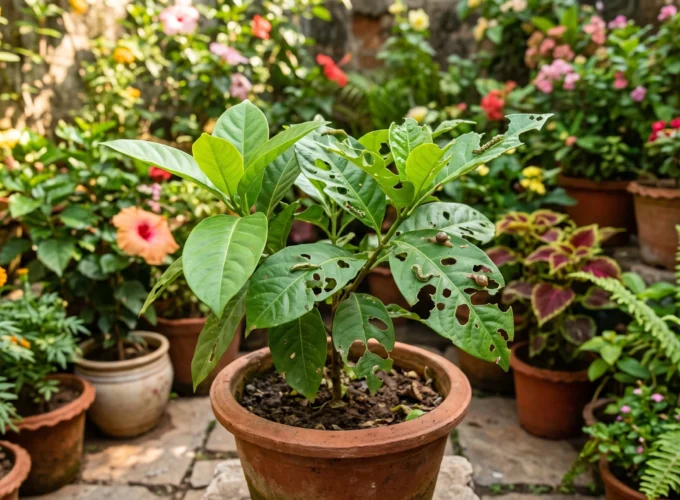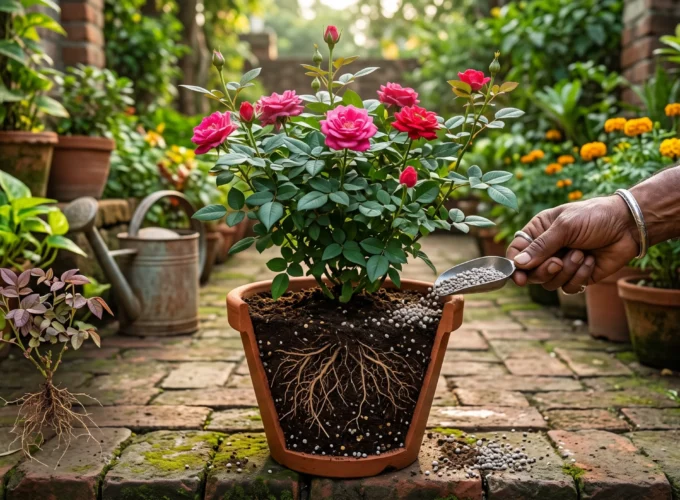

Neem oil is one of the most popular natural plant protection solutions used by gardeners across India. From indoor plants and terrace gardens to vegetables and flowering plants, neem oil spray is widely used to naturally manage common plant problems.
But many gardeners still ask an important question:
Should I spray neem oil in sunlight or in the shade?
The short answer is:
Neem oil should usually be sprayed in the shade or during cooler hours — not under strong direct sunlight.
This is one of the most common gardening mistakes.
Many people spray neem oil during hot daytime conditions and later notice:
- Leaf burn
- Yellow spots
- Plant stress
- Reduced spray effectiveness
The issue is often not the neem oil itself — it is the timing of application.
In this guide, you will learn:
- When to spray neem oil
- Why sunlight affects the neem oil application
- Best time for neem oil spray
- How neem oil works
- Common mistakes gardeners make
- Safe neem oil spraying tips
For premium gardening products and natural plant care solutions, visit Shridhara Greens and explore the specialized Neem Oil for Plants Collection.
What Is Neem Oil Spray?
Neem oil is a natural plant protection product derived from neem seeds.
It is commonly used in organic gardening because it helps manage:
- Mealybugs
- Aphids
- Whiteflies
- Spider mites
- Leaf-eating insects
- Fungal issues
Neem oil works by:
- Disturbing insect feeding
- Affecting pest reproduction
- Reducing pest activity naturally
This makes it popular for:
- Indoor plants
- Vegetable gardens
- Flowering plants
- Terrace gardening
- Organic farming
Should Neem Oil Be Sprayed in Sunlight?
Generally:
No — avoid spraying neem oil under strong direct sunlight.
Especially during Indian summers or hot afternoons.
Why?
Neem oil forms a thin coating on plant surfaces.
Under harsh sunlight:
- Leaf temperatures rise quickly
- Oil heats on leaf surfaces
- Plant tissue becomes stressed
- Leaf damage risk increases
This may lead to:
- Leaf scorch
- Brown spots
- Yellow patches
- Wilting
- Sunburn-like symptoms
This problem is commonly called:
Phytotoxicity
which means plant injury caused by improper spray conditions.
Why Shade or Cooler Hours Work Better
Neem oil performs better when sprayed under mild conditions.
Cooler temperatures allow:
- Better leaf absorption
- Slower evaporation
- Reduced stress
- Improved spray effectiveness
This helps plants tolerate treatment more comfortably.
Best Time to Spray Neem Oil on Plants
The safest and most effective timing is:
Early Morning
or
Evening / Late Afternoon
These periods provide:
- Cooler temperatures
- Reduced sunlight intensity
- Better spray coverage
- Lower leaf burn risk
This is especially important in Indian climates where afternoon heat can become intense.
Can Neem Oil Be Sprayed in Full Shade?
Yes.
Neem oil can safely be sprayed:
- In shaded gardens
- On balcony plants
- Indoor plants
- Covered terrace gardens
As long as:
- Air circulation is good
- Leaves are not excessively wet
- Spray instructions are followed
Shade application is usually safer than harsh sunlight exposure.
Why Neem Oil Sometimes “Doesn’t Work”
Many gardeners believe neem oil failed because pests return.
But often the real issue is:
Incorrect Application Timing
Strong sunlight may:
- Reduce oil stability
- Cause rapid evaporation
- Reduce surface contact time
This lowers effectiveness.
Incomplete Spray Coverage
Neem oil works by contacting pests.
Missing:
- Leaf undersides
- Stem joints
- Hidden areas
reduces results.
Spraying Only Once
Many pests have eggs and repeated life cycles.
Multiple applications may be necessary.
How to Spray Neem Oil Correctly
Proper application improves both safety and effectiveness.
Step 1: Choose Cooler Hours
Avoid harsh midday heat.
Step 2: Shake the Solution Well
Neem oil mixtures separate naturally.
Always mix properly before spraying.
Step 3: Spray Entire Plant
Focus on:
- Leaf undersides
- Stem joints
- New growth
- Hidden pest areas
Step 4: Avoid Excessive Spray Quantity
Leaves should be lightly coated — not dripping heavily.
Step 5: Observe Plant Response
Monitor plants after spraying.
Sensitive plants may require a lighter application.
Which Plants Commonly Benefit from Neem Oil Spray?
Neem oil is widely used on:
Indoor Plants
- Money plant
- Pothos
- Snake plant
- Peace lily
Flowering Plants
- Rose
- Hibiscus
- Jasmine
Vegetable Plants
- Tomato
- Chili
- Brinjal
- Cucumber
Terrace Garden Plants
Neem oil fits well into organic terrace gardening practices.
Common Neem Oil Spray Mistakes
Spraying During Hot Afternoon Sun
This is the biggest mistake.
Overusing Neem Oil
Too much oil may stress plants.
Always follow dosage recommendations.
Spraying Dry and Heat-Stressed Plants
Weak plants may react more sensitively.
Ignoring Leaf Testing
Sensitive plants benefit from small test sprays before full application.
Mixing Incorrectly
Poor dilution reduces performance.
Does Neem Oil Harm Plants?
When used correctly:
Neem oil is generally safe for plants.
Problems usually occur due to:
- Incorrect timing
- Overapplication
- Strong sunlight exposure
- Poor dilution
Following proper spray practices greatly reduces risk.
Neem Oil and Organic Gardening
Neem oil is highly valued in organic gardening because it:
- Supports natural pest management
- Reduces chemical dependency
- Works with sustainable gardening practices
- Helps manage multiple pests
Many Indian gardeners use neem oil as part of regular plant care routines.
Explore premium neem oil solutions at Shridhara Greens Neem Oil Collection.
Frequently Asked Questions
Can neem oil burn plant leaves?
Yes, neem oil may cause leaf burn if sprayed during strong sunlight or excessive heat.
What is the best time to spray neem oil?
Early morning or evening is usually safest and most effective.
Can neem oil be sprayed on indoor plants?
Yes. Neem oil is commonly used for indoor plant pest management.
Should neem oil be sprayed daily?
Usually not. Follow recommended intervals depending on pest pressure and product instructions.
Can I spray neem oil during monsoon?
Yes, but avoid heavy rain and ensure good airflow around plants.
Final Thoughts
So, should you spray neem oil in sunlight or in the shade?
The answer is clear:
Shade or cooler hours are generally the safest and most effective choice.
Avoid harsh direct sunlight, especially during hot Indian afternoons.
Neem oil works best when:
- Applied during cooler hours
- Sprayed evenly
- Used in proper dilution
- Combined with healthy plant care practices
Correct timing protects plants while improving pest control results naturally.
For gardeners looking for trusted neem oil solutions and healthier plant care products, visit Shridhara Greens and explore the premium Neem Oil for Plants Collection for naturally healthier and protected plants.