Neem oil is one of the most trusted natural pest control solutions used in gardening. It is widely sprayed on indoor plants, flowering plants, vegetables, and terrace gardens to manage pests naturally.
But many gardeners face a worrying situation:
“I sprayed neem oil, and now my plant looks damaged. What went wrong?”
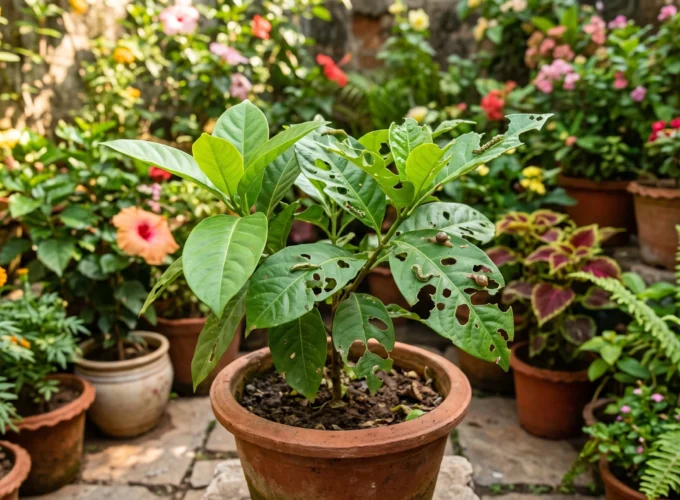
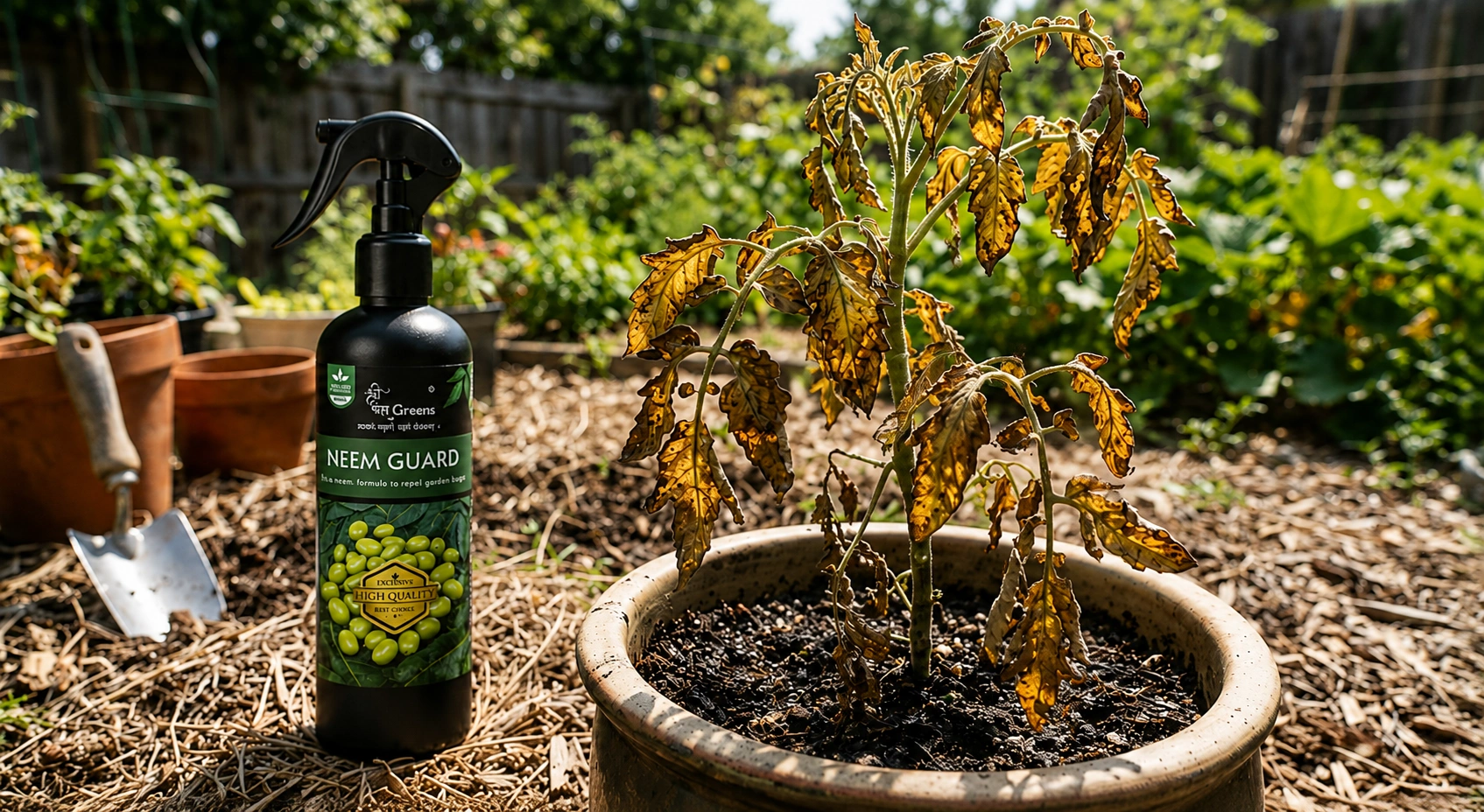
You may notice:
- Yellow leaves
- Brown spots
- Burnt edges
- Curling leaves
- Wilting
- Sudden leaf drop
Naturally, many people assume:
“Neem oil damaged my plant.”
However, in most cases, neem oil itself is not the real problem.
Plant damage usually happens because of incorrect neem oil spraying methods, not because neem oil is unsafe.
When used correctly, neem oil spray is generally safe and effective. But when applied incorrectly, it may stress sensitive plants and cause leaf injury.
In this guide, you will learn:
- Why do plants get damaged after a neem oil spray
- Common neem oil spray mistakes
- How to prevent leaf burn
- Safe neem oil application tips
- Which plants may be more sensitive
For natural gardening solutions and plant care products, visit Shridhara Greens and explore the specialized Neem Oil for Plants Collection.
What Is Neem Oil Spray?
Neem oil is a natural plant protection product extracted from neem seeds.
It is commonly used in organic gardening because it helps control:
- Mealybugs
- Aphids
- Whiteflies
- Spider mites
- Fungal problems
- Leaf-eating pests
Neem oil works by:
- Disrupting pest feeding
- Affecting insect reproduction
- Reducing pest activity naturally
Because it is plant-based, many gardeners assume it can be sprayed freely at any time.
This is where mistakes begin.
Why Plants Get Damaged After Neem Oil Spray
Plant damage after neem oil spray is usually caused by application errors.
Here are the most common reasons.
1. Spraying Neem Oil in Direct Sunlight
This is the biggest mistake gardeners make.
Neem oil should generally not be sprayed under strong sunlight.
Why?
Neem oil leaves a thin coating on plant surfaces.
Under intense heat:
- Leaves heat up quickly
- Oil warms on the surface
- Plant tissues become stressed
This may cause:
- Leaf burn
- Brown patches
- Yellow spots
- Sunburn-like symptoms
This condition is called:
Phytotoxicity, which means plant injury caused by spray stress.
In Indian summers, afternoon spraying is especially risky.
2. Using Too Much Neem Oil
Many gardeners believe:
“More neem oil means stronger pest control.”
This is incorrect.
Over-concentrated neem oil spray may:
- Block leaf pores
- Stress foliage
- Reduce plant respiration
- Cause leaf curling
Always follow dilution instructions carefully.
Neem oil works best in balanced concentrations.
3. Spraying Heat-Stressed or Dry Plants
Plants already suffering from:
- Heat
- Water stress
- Transplant shock
- Weak roots
may react more sensitively.
Neem oil should ideally be sprayed on:
- Healthy
- Properly watered
- Stable plants
Spraying stressed plants increases leaf injury risk.
4. Spraying During Peak Afternoon Heat
Even if plants are in partial sunlight, hot temperatures may still create problems.
High heat causes:
- Faster evaporation
- Greater leaf stress
- Reduced spray tolerance
This is why neem oil is usually recommended during:
- Early morning
- Evening
- Cooler shaded periods
5. Poor Dilution and Mixing
Neem oil naturally separates in water.
If not mixed properly:
- Oil concentration becomes uneven
- Some leaf areas receive excess oil
- Plant damage risk increases
Always shake or stir neem spray mixtures well before use.
6. Sensitive Plant Species
Some plants are naturally more sensitive to oils.
Sensitive plants may include:
- Certain herbs
- Delicate foliage plants
- Thin-leaf indoor plants
- Young seedlings
These plants may require:
- Patch testing
- Lower concentration
- Lighter spraying
7. Over-Spraying Leaves
Neem oil should lightly coat leaves.
Heavy dripping spray may:
- Reduce airflow
- Trap moisture
- Stress foliage
A light, even spray works best.
Signs of Neem Oil Spray Damage
Plant damage from neem oil may appear as:
Yellow Leaves
Especially on sun-exposed foliage.
Brown Spots
Burn-like patches may appear.
Leaf Curling
Overconcentrated spray may stress leaves.
Wilting
Temporary stress may affect water movement.
Leaf Drop
Severe stress sometimes causes shedding.
These symptoms often resemble heat or chemical burn.
How to Use Neem Oil Safely
Proper application reduces most problems.
Spray During Cooler Hours
Best timing:
- Early morning
- Evening
- Shaded conditions
Avoid strong afternoon sunlight.
Follow Correct Dilution
Always use recommended mixing ratios.
Excess concentration does not improve results.
Test First
Before spraying an entire plant:
- Spray a small leaf section
- Wait 24 hours
- Observe plant response
This helps identify sensitive plants.
Avoid Spraying Weak Plants
Plants recovering from stress may need time before treatment.
Spray Evenly
Cover:
- Leaf undersides
- Stem joints
- Pest areas
without oversaturating.
Which Plants Commonly Use Neem Oil Spray?
Neem oil is commonly used on:
Indoor Plants
- Money plant
- Pothos
- Snake plant
- Peace lily
Flowering Plants
- Rose
- Hibiscus
- Jasmine
Vegetable Plants
- Tomato
- Chili
- Brinjal
Terrace Garden Plants
Neem oil is highly popular in organic terrace gardening.
Can Damaged Plants Recover?
Usually:
Yes.
If damage is mild:
- Stop spraying temporarily
- Remove badly affected leaves
- Improve watering
- Keep plants in gentle light
- Monitor recovery
Plants often recover gradually.
Neem Oil and Organic Gardening
Neem oil remains one of the most valuable organic gardening tools because it:
- Supports natural pest control
- Reduces chemical dependency
- Helps manage multiple pests
- Works with sustainable gardening practices
Correct use is the key.
Explore premium neem oil solutions at Shridhara Greens Neem Oil Collection.
Frequently Asked Questions
Can neem oil burn plants?
Yes, if sprayed incorrectly, especially during strong sunlight or in excessive concentration.
Why did my leaves turn yellow after the neem spray?
Sunlight exposure, over-concentration, or plant stress may contribute to yellowing.
What is the safest time to spray neem oil?
Early morning or evening is generally safest.
Can indoor plants get damaged by neem oil?
Yes, sensitive indoor plants may react if the spray concentration is too strong.
Should neem oil be sprayed daily?
Usually not. Follow recommended intervals and avoid excessive use.
Final Thoughts
If your plant got damaged after the neem oil spray, do not panic.
In most cases, the issue comes from:
- Strong sunlight
- Incorrect dilution
- Heat stress
- Overapplication
- Sensitive plants
Neem oil itself is generally safe when used properly.
The secret is simple:
Correct timing, balanced dilution, and careful spraying.
When applied properly, neem oil remains one of the most effective and natural plant care solutions for Indian gardening.
For trusted neem oil products and healthier plant care solutions, visit Shridhara Greens and explore the premium Neem Oil for Plants Collection for healthier and naturally protected plants.