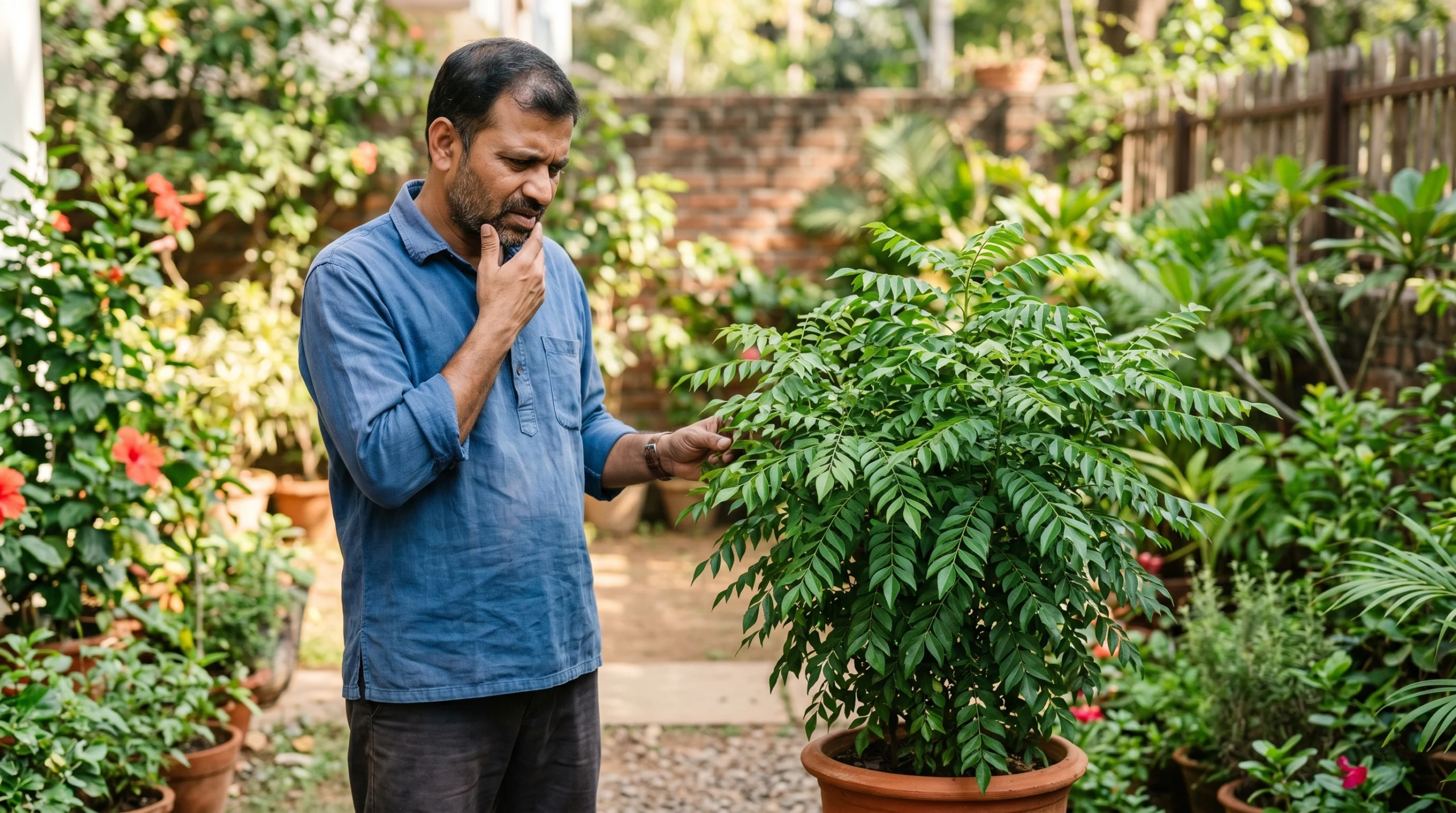
Healthy flowering plants can transform any garden, balcony, or indoor space. But many gardeners experience a frustrating problem:
“My plant looks healthy, but why is it not flowering?”
You water regularly.
You fertilize the plant.
Leaves look green.
Yet flowers never appear, or blooming remains weak.
The truth is:
Plants usually stop flowering because of environmental or nutritional problems — not simply bad luck.
Flowering is a natural biological process influenced by several factors, such as:
- Sunlight
- Plant nutrition
- Watering habits
- Soil quality
- Pruning
- Plant maturity
- Seasonal conditions
The good news is:
Most flowering problems can be corrected once you identify the real cause.
In this guide, you will learn:
- Why plants fail to flower
- Common flowering mistakes
- How to encourage blooming naturally
- Best plant care practices for flowers
- Solutions for Indian gardens and potted plants
For premium gardening products and plant care solutions, visit Shridhara Greens.
Why Flowering Matters in Plants
Flowers are not only beautiful.
They are important for:
- Fruit production
- Plant reproduction
- Seed development
- Garden productivity
When flowering reduces, it often signals an imbalance in plant care.
Understanding flowering requirements helps improve plant health naturally.
1. Your Plant May Not Be Getting Enough Sunlight
This is one of the most common reasons.
Many flowering plants require strong light to produce blooms.
Without enough sunlight:
- Plants focus on leaf growth
- Bud development slows
- Flower production reduces
Common flowering plants needing good light include:
- Rose
- Hibiscus
- Jasmine
- Marigold
- Bougainvillea
Signs of low sunlight:
- Tall weak stems
- Green but weak growth
- Few or no flowers
For most flowering plants, proper sunlight is essential.
2. Too Much Nitrogen Fertilizer
Many gardeners unknowingly overfeed plants with nitrogen-rich fertilizers.
Nitrogen promotes:
- Leaf growth
- Green foliage
- Stem development
But excessive nitrogen may reduce flowering.
This often causes:
“Big leaves but no flowers.”
Plants may appear healthy but remain bloom-free.
Balanced nutrition is important.
3. Lack of Phosphorus for Flower Development
Flowering plants often require phosphorus support.
Phosphorus helps:
- Bud formation
- Root strength
- Flowering
- Fruiting
Low phosphorus may lead to:
- Delayed blooming
- Weak buds
- Reduced flowers
Flowering nutrition should remain balanced.
4. Incorrect Watering Habits
Watering mistakes commonly affect flowering.
Both overwatering and underwatering may stress plants.
Overwatering Problems
Excess water may cause:
- Weak roots
- Poor oxygen supply
- Reduced nutrient uptake
Plants focus on survival rather than blooming.
Underwatering Problems
Very dry soil may lead to:
- Bud drop
- Plant stress
- Reduced flowering
Consistent moisture balance matters.
5. Your Plant May Still Be Too Young
This is often overlooked.
Some plants simply need time.
Young plants may prioritize:
- Root growth
- Structural development
- Foliage
before flowering begins.
Patience is sometimes necessary.
6. Wrong Pruning Practices
Pruning affects flowering significantly.
Improper pruning may remove:
- Flower buds
- New flowering shoots
- Growth points
This is common in:
- Roses
- Hibiscus
- Flowering shrubs
Correct pruning timing matters.
7. Poor Soil Health
Healthy flowers begin with healthy soil.
Poor soil may suffer from:
- Compaction
- Nutrient deficiency
- Weak microbial activity
- Poor drainage
Unhealthy soil reduces plant performance.
Organic matter helps improve:
- Soil structure
- Moisture balance
- Root growth
- Nutrient availability
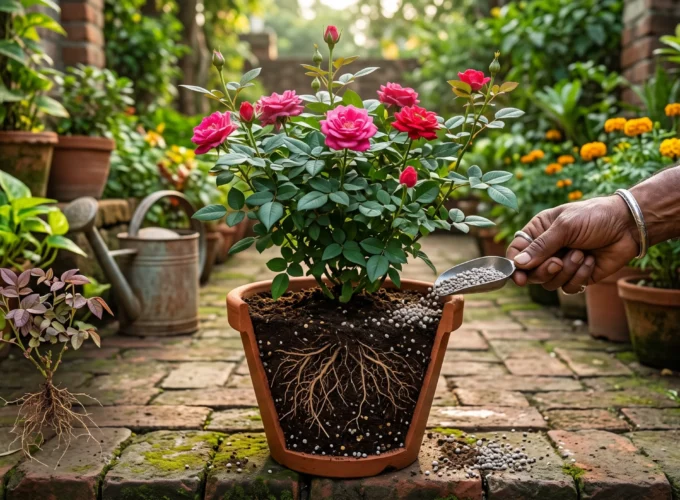
8. Pot Size Can Affect Flowering
Potted plants often stop flowering due to restricted roots.
Root-bound plants may struggle with:
- Nutrient absorption
- Water balance
- Healthy growth
Signs include:
- Roots emerging from drainage holes
- Fast-drying soil
- Slow growth
Repotting may help.
9. Seasonal and Temperature Factors
Flowering depends on the climate.
Many plants bloom only during suitable conditions.
Indian weather affects flowering differently:
Summer
Heat stress may reduce blooming.
Monsoon
High humidity may affect buds and fungal pressure.
Winter
Some plants naturally slow flowering.
Seasonal patterns matter.
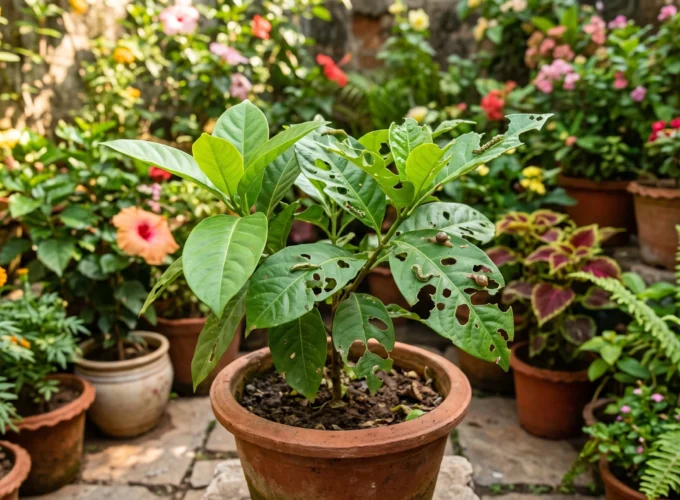
10. Pest and Disease Stress
Plants under attack often stop flowering.
Common problems include:
- Aphids
- Mealybugs
- Whiteflies
- Fungal infections
When stressed, plants redirect energy away from flowers.
Regular inspection helps.
How to Encourage Plants to Flower Naturally
The good news is:
Most flowering problems improve with balanced plant care.
Provide Proper Sunlight
Match light requirements to plant type.
Most flowering plants prefer:
- Bright sunlight
- Open airflow
- Healthy growing conditions
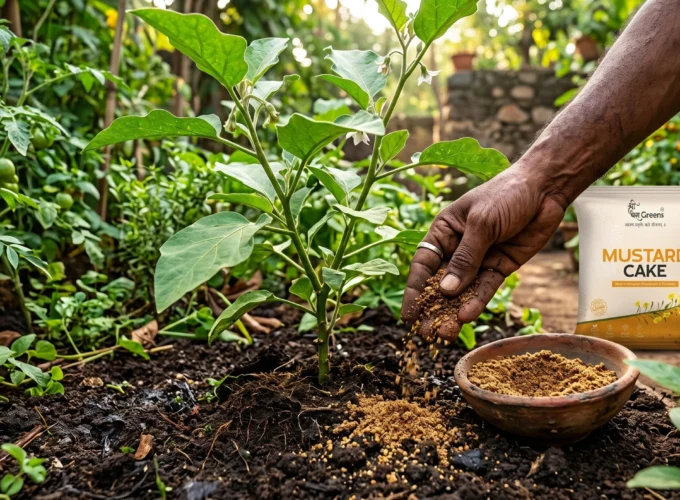
Use Balanced Plant Nutrition
Healthy flowering needs balanced nutrients.
Support plants with:
- Organic fertilizers
- Soil-enriching compost
- Flower-supporting nutrition
Balanced feeding works better than excessive fertilizer.
Water Correctly
Avoid:
- Constantly wet soil
- Completely dry soil
Moderate and consistent watering supports blooming.
Improve Soil Health
Healthy soil supports:
- Root growth
- Nutrient absorption
- Better flowering
Organic gardening practices improve soil naturally.
Prune Carefully
Remove:
- Dead branches
- Weak growth
- Damaged foliage
But avoid excessive pruning during flowering periods.
Which Plants Commonly Face Flowering Problems?
Some plants commonly experience delayed flowering.
Examples include:
- Rose
- Hibiscus
- Bougainvillea
- Jasmine
- Terrace garden flowers
- Potted ornamentals
Proper care usually improves blooming.
Common Mistakes That Prevent Flowering
Too Much Nitrogen
Leaves grow, but flowers disappear.
Low Sunlight
Many flowering plants cannot bloom in deep shade.
Poor Drainage
Root stress reduces flower production.
Ignoring Plant Variety Needs
Each plant has unique flowering requirements.
Expecting Instant Results
Flowering is a natural cycle.
Healthy blooms often require patience.
Frequently Asked Questions
Why are my plants growing leaves but not flowers?
Excess nitrogen, low sunlight, or poor nutrition are common reasons.
Can overwatering stop flowering?
Yes. Root stress from overwatering may reduce blooming.
Which fertilizer helps flowering?
Balanced fertilizers and phosphorus-supporting nutrition often help flowering plants.
Do potted plants flower less?
Containers may require closer management of soil, nutrients, and root space.
How much sunlight do flowering plants need?
Many flowering plants prefer several hours of sunlight, depending on the species.
Final Thoughts
If your plants are not flowering, do not panic.
The issue is usually linked to:
- Sunlight
- Watering
- Fertilizer balance
- Soil health
- Root conditions
- Seasonal care
Once these problems are corrected, many plants begin blooming naturally.
For Indian gardeners, successful flowering depends on understanding plant needs rather than simply adding more fertilizer or water.
Healthy soil, balanced care, and patience often produce the best flowers.
For trusted gardening products and plant care solutions, visit Shridhara Greens and support naturally healthier and more beautiful flowering plants.