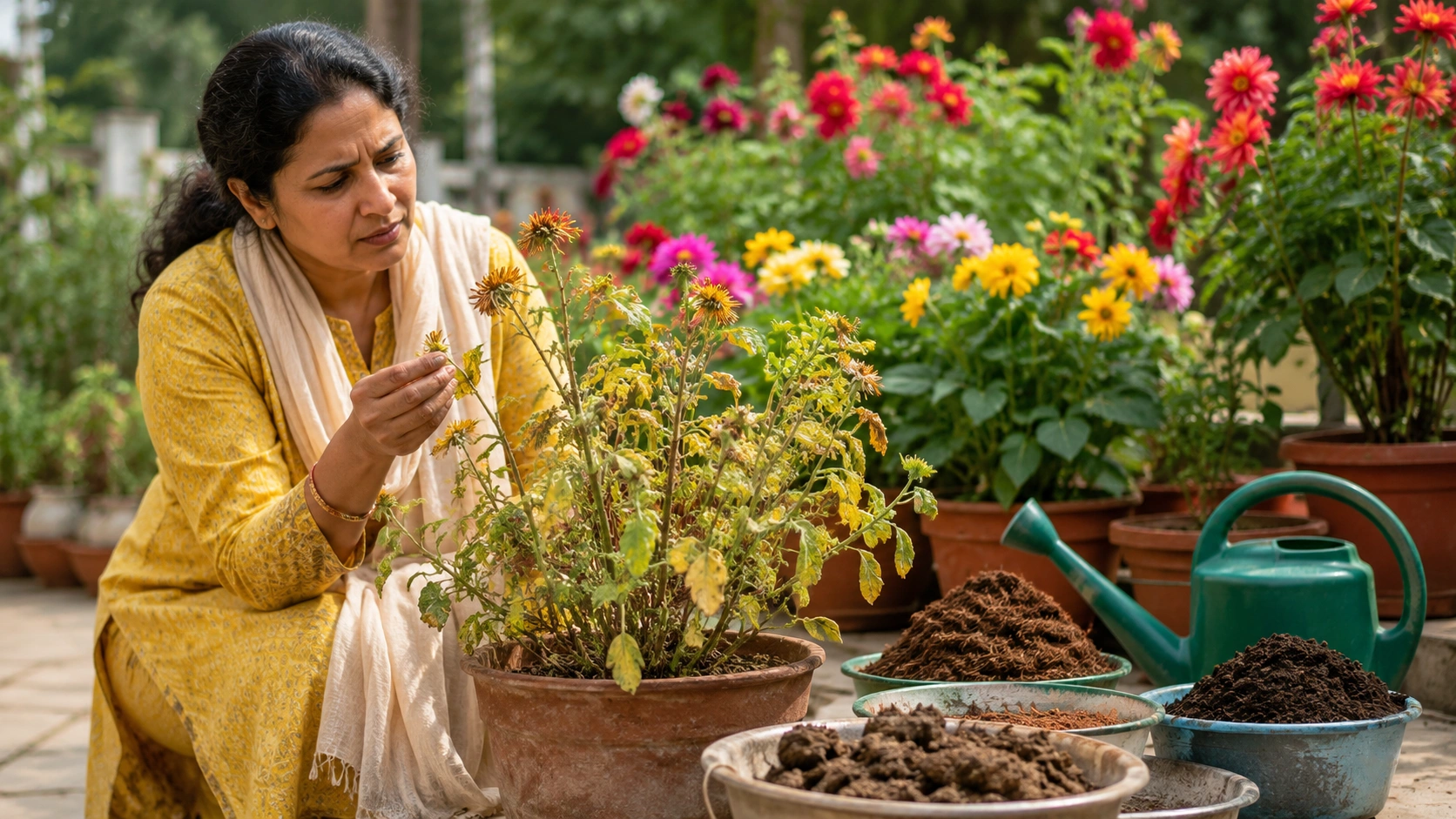
One of the most common mistakes home gardeners make is assuming every struggling plant needs more water.
Plant looking weak?
Water it.
Leaves turning yellow?
Add more water.
Growth slowing down?
Water again.
But here’s the truth:
Many plant problems are caused by nutrient deficiencies, not a lack of water.
In fact, overwatering is often the result of misdiagnosing a fertilizer problem.
Plants need more than just water to thrive. They also require essential nutrients to support:
- Root development
- Leaf growth
- Flowering
- Fruiting
- Overall plant health
When these nutrients become depleted, plants begin showing warning signs.
Understanding these signs can help you determine when your plants need a natural fertilizer instead of another round of watering.
In this guide, we’ll cover the most common symptoms of nutrient deficiency and explain how natural fertilizers can help restore plant health.
For premium gardening products and organic plant care solutions, visit https://shridharagreens.com/.
Why Water Alone Isn’t Enough
Water helps plants absorb nutrients, but it doesn’t replace them.
Over time, potted plants and garden plants use nutrients from the soil.
Rain, watering, and plant growth gradually reduce nutrient availability.
Eventually, even well-watered plants may begin to struggle because:
- Soil fertility declines
- Organic matter breaks down
- Root zones become depleted
This is when natural fertilizers become important.
1. Your Plant’s Growth Has Slowed Down
One of the earliest signs of nutrient deficiency is slow growth.
You may notice:
- Fewer new leaves
- Shorter stems
- Reduced plant size
- Sluggish development
Even when watering is consistent, the plant seems “stuck.”
This often indicates that the soil no longer contains enough nutrients to support active growth.
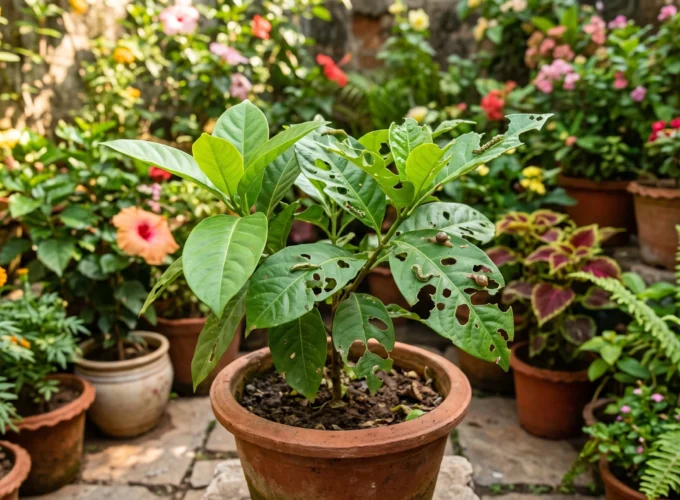
2. Leaves Are Turning Pale Green
Healthy leaves should appear vibrant in color.
When plants lack nutrients, foliage may become:
- Light green
- Pale green
- Yellow-green
Many gardeners mistakenly add more water.
However, excessive watering can actually worsen the problem by reducing oxygen around the roots.
Natural fertilizers help replenish the nutrients responsible for healthy leaf development.
3. Older Leaves Turn Yellow First
If the lower leaves begin turning yellow while newer growth remains green, nutrient depletion may be the cause.
This is especially common in:
- Potted plants
- Vegetable plants
- Flowering plants
As nutrient levels decline, plants redirect available resources to younger growth.
The result is yellowing older foliage.
4. Flowering Has Reduced Significantly
A plant that previously produced abundant blooms may suddenly stop flowering.
Common signs include:
- Fewer flower buds
- Smaller blooms
- Delayed flowering
- Bud drop
Many flowering plants require consistent nutrition to support bloom production.
Without adequate nutrients, plants focus on survival rather than flowering.
5. Vegetable Plants Produce Smaller Harvests
If your vegetables are producing:
- Smaller fruits
- Fewer vegetables
- Weak yields
Nutrient depletion may be affecting productivity.
Vegetable plants consume significant amounts of nutrients during:
- Flowering
- Fruiting
- Active growth
Natural fertilizers help restore fertility and support continued production.
6. Leaves Are Smaller Than Normal
New leaves provide valuable clues about plant health.
If fresh leaves appear:
- Undersized
- Thin
- Weak
The plant may lack essential nutrients.
Healthy soil helps support vigorous foliage growth and overall plant performance.
7. Plants Wilt Even When Soil Is Moist
This symptom often confuses gardeners.
The soil feels moist, yet the plant still appears weak.
Why?
Because nutrient-deficient plants often develop weaker root systems.
Weak roots struggle to absorb water efficiently, even when moisture is available.
Adding more water won’t solve the problem.
Improving soil nutrition often delivers better results.
8. Growth Looks Uneven
Healthy plants usually grow evenly.
When nutrients become limited, you may notice:
- Sparse growth
- Patchy foliage
- Uneven development
Certain branches may appear healthy while others struggle.
This imbalance often indicates declining soil fertility.
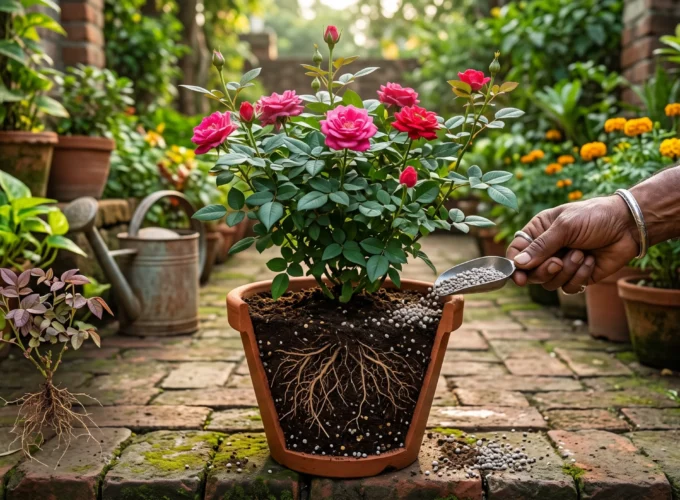
9. Your Potting Mix Is Several Months Old
Container plants rely entirely on the nutrients available within their growing media.
Over time:
- Nutrients get used up
- Organic matter breaks down
- Soil quality declines
Even if your plant looks healthy today, older growing media may no longer provide adequate nutrition.
This is particularly common in:
- Indoor plants
- Balcony gardens
- Terrace gardens
10. The Plant Looks Healthy But Isn’t Thriving
Sometimes there are no dramatic symptoms.
The plant simply isn’t performing as expected.
You may notice:
- Slow flowering
- Reduced vigor
- Limited new growth
- Average overall appearance
In many cases, the plant is surviving—but not thriving.
This is often a sign that the soil needs replenishment.
Why Natural Fertilizers Are Better for Long-Term Plant Health
Natural fertilizers do more than provide nutrients.
They also improve:
- Soil structure
- Root health
- Microbial activity
- Moisture retention
Unlike many chemical fertilizers, organic options support the entire growing environment.
Popular natural fertilizers include:
Vermicompost
Improves soil fertility and microbial activity.
Neem Cake
Supports root health and soil quality.
Organic Compost
Provides slow-release nutrition.
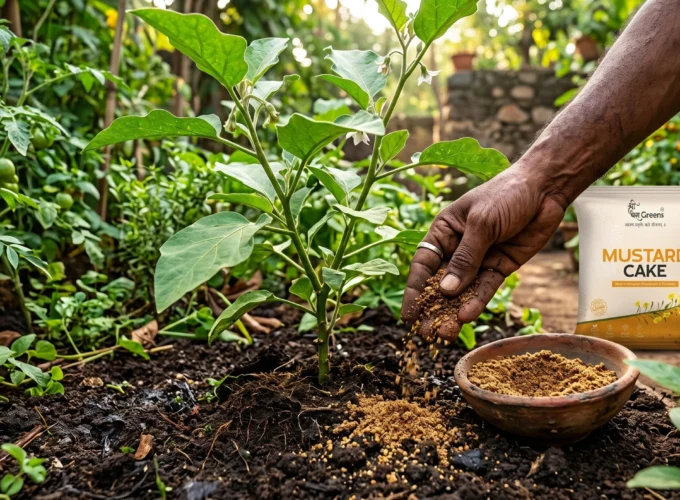
Mustard Cake Fertilizer
Widely used for flowering and vegetable plants.
These natural inputs promote sustainable plant growth.
How Often Should You Use Natural Fertilizers?
The answer depends on:
- Plant type
- Growing conditions
- Pot size
- Soil quality
As a general rule, regular organic feeding helps maintain healthy nutrient levels throughout the growing season.
Plants that flower and fruit frequently often require more nutritional support.
Common Mistakes Gardeners Make
Avoid these common errors:
❌ Watering every time leaves look weak
❌ Ignoring soil fertility
❌ Assuming yellow leaves always mean dehydration
❌ Overwatering nutrient-deficient plants
❌ Using fertilizer only when plants are severely stressed
The best results come from preventive plant care rather than emergency treatments.
Frequently Asked Questions
How do I know if my plant needs fertilizer or water?
Check soil moisture first. If the soil is already moist but the plant shows slow growth, yellowing leaves, or poor flowering, nutrient deficiency may be the cause.
Can overwatering look like a nutrient deficiency?
Yes. Overwatering and nutrient deficiency often produce similar symptoms, including yellow leaves and slow growth.
What is the best natural fertilizer for home gardens?
Vermicompost, neem cake, organic compost, and mustard cake fertilizer are commonly used by home gardeners.
How often should I fertilize potted plants?
Potted plants generally need more frequent feeding because nutrients are gradually depleted from the growing media.
Can natural fertilizers improve flowering?
Yes. Healthy soil and balanced nutrition often lead to better flowering and overall plant performance.
Final Thoughts
If your plants are struggling, don’t automatically reach for the watering can.
Many common plant problems are actually signs of nutrient depletion.
Watch for:
✔ Slow growth
✔ Yellowing leaves
✔ Reduced flowering
✔ Smaller vegetables
✔ Weak root development
✔ Old depleted potting media
These symptoms often indicate that your plants need a natural fertilizer—not more water.
By improving soil fertility and supporting root health naturally, you can encourage stronger growth, healthier plants, and more flowers and fruits throughout the year.
For premium gardening products and natural plant care solutions, visit https://shridharagreens.com/ and give your plants the nutrition they need to truly thrive.