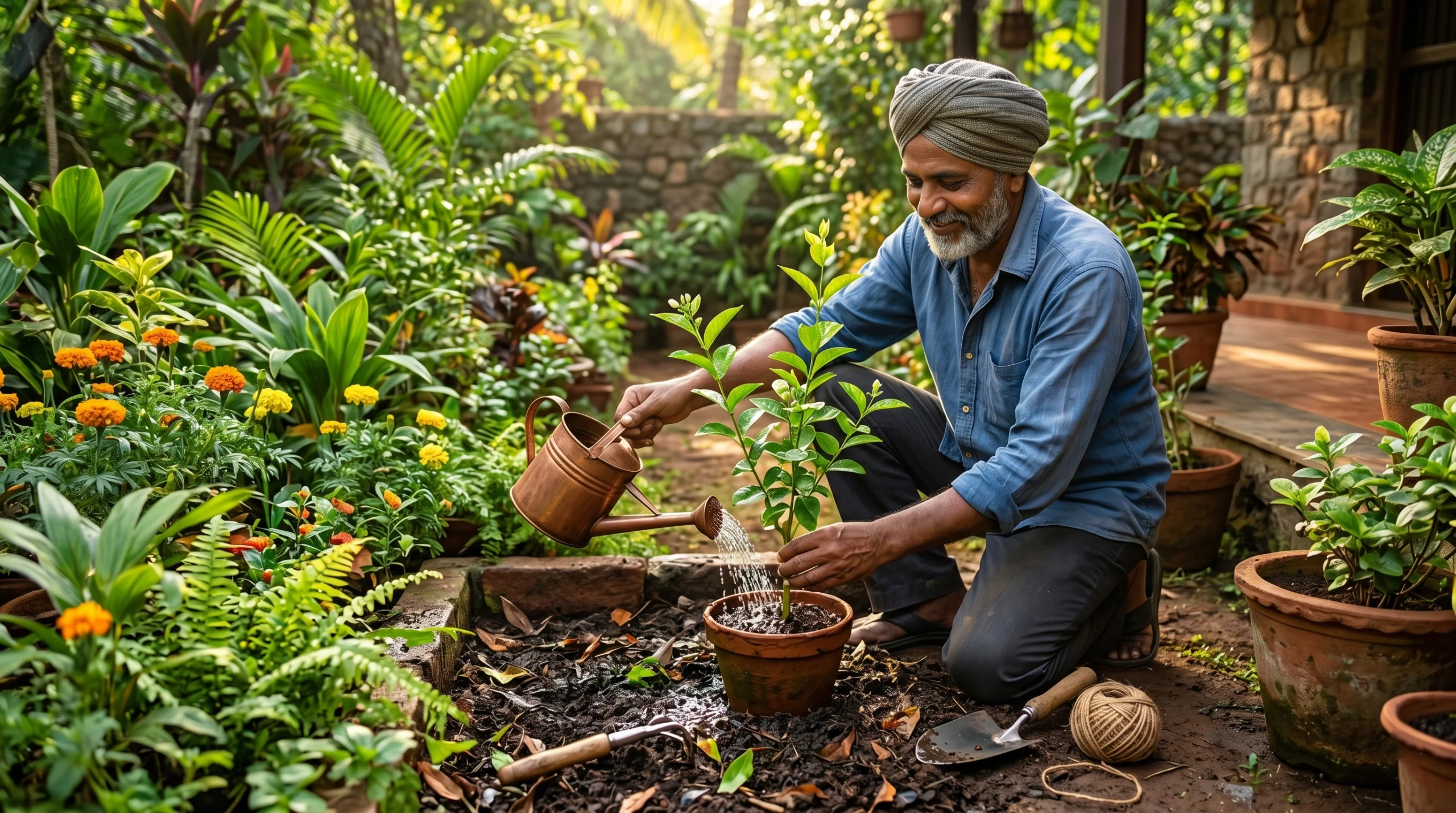
You carefully choose a healthy plant.
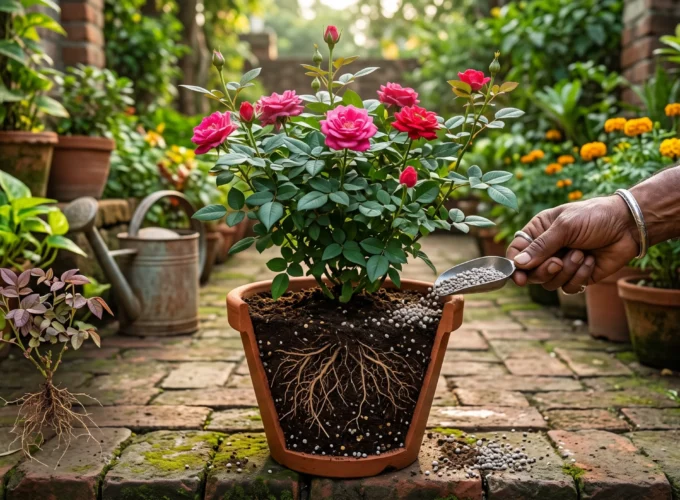
You repot it into a larger container or move it into your garden.
Everything seems perfect.
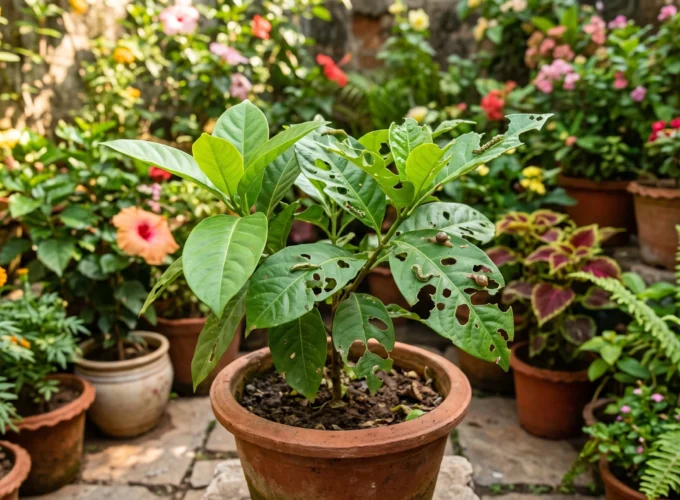
Then, a few days later, the plant starts showing signs of stress:
- Drooping leaves
- Yellow foliage
- Wilting
- Slow growth
- Leaf drop
Naturally, many gardeners think:
“Did I damage my plant?”
In most cases, the answer is no.
Your plant is likely experiencing transplant shock, a common condition that occurs when plants struggle to adjust after being moved to a new environment.
The good news?
Most plants recover successfully when given proper care.
In this guide, you’ll learn:
- What is transplant shock
- Common symptoms
- Why it happens
- How to help plants recover faster
- Ways to prevent transplant shock in the future
For premium gardening products and plant care solutions, visit https://shridharagreens.com/.
What Is Transplant Shock?
Transplant shock is a temporary stress response that occurs when a plant is moved from one growing environment to another.
This can happen when:
- Repotting indoor plants
- Moving seedlings into larger pots
- Transplanting nursery plants into gardens
- Shifting terrace garden plants
- Relocating mature plants
Even healthy plants may experience some degree of stress after transplanting.
Why Does Transplant Shock Happen?
Plants rely heavily on their root systems.
When roots are disturbed, plants temporarily struggle to:
- Absorb water
- Take up nutrients
- Support new growth
As a result, energy is redirected toward recovery rather than growth.
Common causes include:
Root Disturbance
Roots may be damaged or disturbed during transplanting.
Environmental Changes
Light, temperature, humidity, and airflow may suddenly change.
Watering Mistakes
Overwatering or underwatering after transplanting can increase stress.
Poor Growing Media
Inappropriate soil or potting mix can make recovery more difficult.
Signs of Transplant Shock
Not every struggling plant is suffering from transplant shock.
However, common symptoms include:
Wilting Leaves
One of the most common signs.
Even when the soil is moist, leaves may droop temporarily.
Yellowing Foliage
Plants often shed older leaves while adjusting.
Slow or Stalled Growth
New growth may stop for several days or weeks.
Leaf Drop
Some plants naturally drop leaves during recovery.
Curling Leaves
Environmental stress can cause temporary leaf curling.
How Long Does Transplant Shock Last?
This depends on:
- Plant type
- Root condition
- Growing environment
- Aftercare
Many plants begin recovering within:
1–3 Weeks
Larger or more sensitive plants may require additional time.
Patience is often part of the recovery process.
Step 1: Water Correctly After Transplanting
Watering is one of the most important factors during recovery.
After transplanting:
Water Thoroughly Once
This helps settle the growing media around the roots.
However:
Avoid keeping the soil constantly wet.
Excess moisture may reduce oxygen around damaged roots.
The goal is consistent moisture, not waterlogging.
Step 2: Protect Plants From Harsh Sunlight
Many gardeners place newly transplanted plants directly into strong sunlight.
This can increase stress.
Immediately after transplanting:
Provide Gentle Light
Bright indirect light is often ideal during the first few days.
For outdoor plants:
- Use temporary shade
- Avoid intense afternoon sun
This allows roots time to recover.
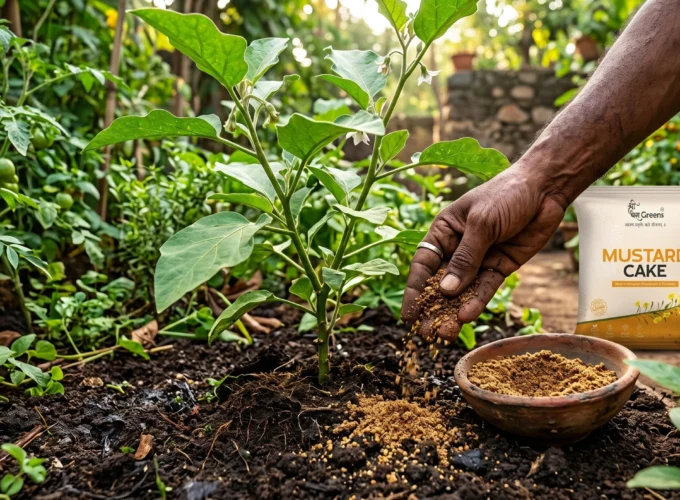
Step 3: Avoid Fertilizing Immediately
One of the biggest mistakes gardeners make is adding fertilizer right after transplanting.
While it seems helpful, newly disturbed roots may be sensitive.
Applying fertilizer too soon can:
- Increase stress
- Burn roots
- Delay recovery
Allow the plant time to establish itself before resuming normal feeding.
Step 4: Improve Growing Media Quality
Healthy growing media supports faster recovery.
A quality growing medium should provide:
✔ Good drainage
✔ Moisture retention
✔ Root aeration
✔ Nutrient availability
Poor-quality media often slows root development and increases transplant stress.
Step 5: Minimize Additional Stress
After transplanting:
Avoid Frequent Moving
Plants need stability.
Constant relocation forces them to continuously adjust.
Avoid Heavy Pruning
Removing too much foliage may reduce the plant’s ability to recover.
Allow the plant to conserve energy.
Step 6: Maintain Proper Humidity
Many indoor plants recover faster in moderately humid environments.
This is especially helpful for:
- Monstera
- Peace Lily
- Philodendron
- Calathea
- Areca Palm
Higher humidity reduces water loss through leaves while roots recover.
Step 7: Be Patient
This may be the most important step.
Many gardeners panic when growth stops after transplanting.
However:
Recovery takes time.
During transplant shock, plants often focus on rebuilding roots before producing visible growth.
No new leaves for a few weeks is often normal.
Best Growing Conditions for Faster Recovery
To support recovery, provide:
Consistent Moisture
Avoid extreme wetness or dryness.
Proper Drainage
Healthy roots need oxygen.
Adequate Light
Bright but not harsh conditions.
Stable Temperatures
Avoid sudden environmental changes.
Quality Growing Media
Supports root development and water management.
Common Transplanting Mistakes to Avoid
Many cases of transplant shock become worse because of avoidable mistakes.
Overwatering
The most common problem.
Repotting Into Oversized Containers
Too much soil may stay wet for long periods.
Damaging Roots
Handle root systems carefully.
Transplanting During Extreme Heat
Hot weather increases stress.
Immediate Fertilization
Allow roots to recover first.
How to Prevent Transplant Shock in the Future
While some stress is unavoidable, you can reduce the risk by:
✔ Watering before transplanting
✔ Handling roots gently
✔ Using quality growing media
✔ Choosing appropriate pot sizes
✔ Transplanting during cooler parts of the day
✔ Avoiding root disturbance whenever possible
These simple steps often make a significant difference.
Which Plants Are Most Sensitive to Transplant Shock?
Certain plants are more sensitive than others.
Examples include:
Peace Lily
Can droop dramatically after transplanting.
Calathea
Sensitive to environmental changes.
Monstera
May temporarily slow growth.
Tomato Seedlings
Often experience mild transplant stress.
Flowering Plants
May drop buds after relocation.
Fortunately, most recover well with proper care.
Frequently Asked Questions
Can a plant survive transplant shock?
Yes. Most plants recover completely if provided with proper care and stable growing conditions.
How do I know if my plant is recovering?
Look for:
- New leaves
- Improved leaf firmness
- Better color
- Active growth
These are positive signs.
Should I fertilize after transplanting?
It is usually best to wait until the plant has adjusted and resumed active growth.
How long does transplant shock last?
Most plants recover within a few weeks, although larger plants may take longer.
Why are my leaves drooping after repotting?
Drooping is one of the most common symptoms of transplant shock and often improves as roots recover.
Final Thoughts
Transplant shock can be alarming, but it is often a normal part of moving plants into a new environment.
The key is understanding that your plant is not necessarily dying—it is adjusting.
Remember to:
✔ Water carefully
✔ Avoid excessive sunlight
✔ Use quality growing media
✔ Avoid immediate fertilization
✔ Maintain stable conditions
✔ Be patient
With the right care, most plants recover fully and return to healthy growth.
For premium gardening products and plant care solutions, visit https://shridharagreens.com/ and help your plants establish strong roots and thrive after transplanting.