Your plant was growing perfectly a few weeks ago.
Then suddenly you notice:
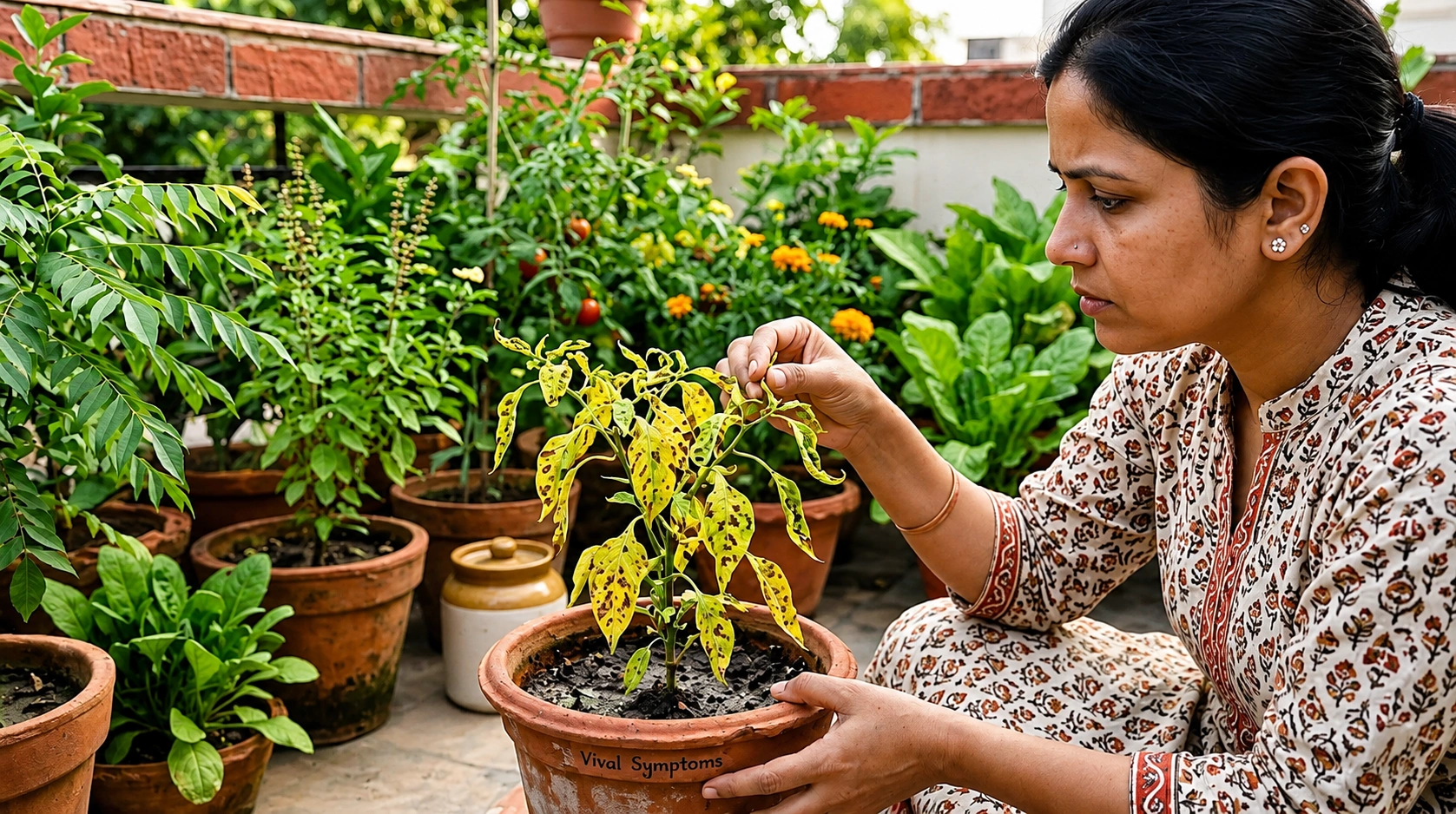
- Yellow patterns on leaves
- Distorted growth
- Curling foliage
- Reduced flowering
- Stunted development
Naturally, most gardeners assume:
“My plant probably needs fertilizer.”
Or perhaps:
“Maybe I am watering it incorrectly.”
While nutrient deficiencies and watering issues are common causes of plant stress, some symptoms may indicate something more serious:
A viral infection.
Plant viruses affect millions of plants worldwide and can impact:
- Vegetables
- Fruit plants
- Flowering plants
- Indoor plants
- Ornamental plants
The challenge is that plant viral diseases often resemble nutrient deficiencies or pest damage, making them difficult to identify early.
In this guide, you’ll learn:
- What plant viral infections are
- Common symptoms of viral diseases
- How viruses spread between plants
- How to distinguish viral infections from nutrient deficiencies
- Prevention and management strategies for home gardeners
For premium gardening products and plant care solutions, visit https://shridharagreens.com/.
What Is a Viral Infection in Plants?
A plant viral infection occurs when a virus enters plant tissue and disrupts normal growth processes.
Unlike nutrient deficiencies or environmental stress, viruses invade plant cells and interfere with:
- Growth
- Photosynthesis
- Nutrient movement
- Flower production
- Fruit development
Once inside a plant, viruses can spread throughout the entire system.
Unfortunately:
Most plant viral diseases cannot be completely cured once established.
This is why early identification and prevention are extremely important.
How Do Plant Viruses Spread?
Many gardeners are surprised to learn that plant viruses rarely appear on their own.
They usually spread through:
Insect Pests
The most common carriers include:
- Aphids
- Whiteflies
- Thrips
- Leafhoppers
These insects feed on infected plants and transfer viruses to healthy ones.
Contaminated Garden Tools
Pruning shears and gardening tools can spread infected plant sap.
Infected Plant Material
Viruses can enter your garden through:
- Seedlings
- Cuttings
- Nursery plants
Human Handling
Sometimes gardeners unknowingly transfer viruses while working with infected plants.
Common Signs of Viral Infection in Plants
Plant viruses can affect different species in different ways.
However, certain symptoms appear repeatedly.
Let’s look at the most common warning signs.
1. Mosaic Patterns on Leaves
One of the classic symptoms of plant viral disease is:
Mosaic Patterning
Leaves develop irregular patches of:
- Light green
- Dark green
- Yellow
The leaf appears mottled or marbled.
This symptom is commonly associated with several vegetable crop viruses.
2. Yellow Streaks and Unusual Discoloration
Unlike normal nutrient deficiencies, viral discoloration often appears:
- Uneven
- Patchy
- Random
You may notice:
- Yellow streaks
- Ring patterns
- Blotchy coloration
The pattern usually does not follow typical nutrient deficiency symptoms.
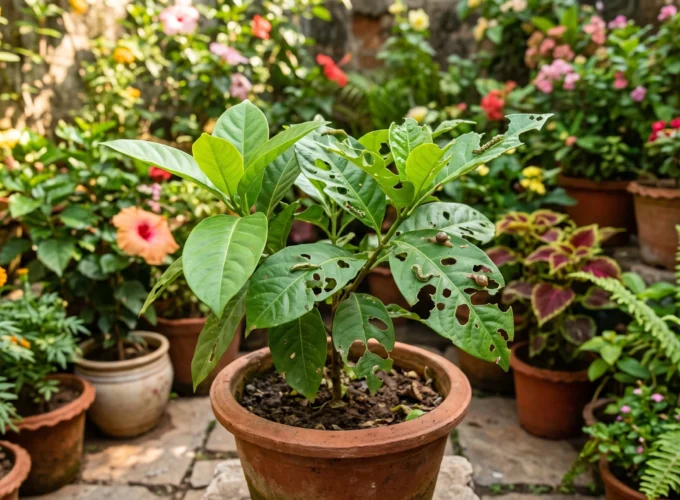
3. Leaf Curling and Distortion
Many viral diseases affect leaf development.
Symptoms may include:
- Twisted leaves
- Curled edges
- Wrinkled foliage
- Misshapen growth
These changes often persist even when watering and nutrition are corrected.
4. Stunted Plant Growth
Plants infected with viruses often stop growing normally.
You may observe:
- Short stems
- Small leaves
- Delayed development
- Reduced vigor
The plant appears permanently weaker than healthy plants nearby.
5. Reduced Flowering
Flowering plants may produce:
- Fewer buds
- Smaller flowers
- Deformed blooms
Many gardeners mistake this for a fertilizer deficiency.
However, viral infections can directly interfere with flower development.
6. Poor Fruit Production
Vegetable and fruit plants may show:
- Fewer fruits
- Smaller fruits
- Uneven fruit development
Commonly affected crops include:
- Tomatoes
- Chillies
- Cucumbers
- Gourds
Poor fruit set is often one of the first signs gardeners notice.
7. Ring Spots on Leaves
Some plant viruses create:
Circular Rings
or
Concentric Spot Patterns
These distinctive markings may appear:
- Yellow
- Brown
- Pale green
Ring spots are often a strong indicator of viral infection.
8. Growth Appears Abnormally Dense
Certain viruses cause:
- Excessive branching
- Clustered shoots
- Bunched growth
The plant develops an unnatural appearance.
This symptom is sometimes called “witches’ broom” growth.
How Viral Infections Differ From Nutrient Deficiencies
Many symptoms overlap.
However, there are important differences.
Nutrient Deficiency
Usually affects plants gradually.
Symptoms often follow predictable patterns.
For example:
- Nitrogen deficiency begins with older leaves.
- Iron deficiency affects newer leaves first.
Viral Infection
Often produces:
- Irregular patterns
- Distorted growth
- Mosaic symptoms
- Persistent deformities
The plant typically does not improve after fertilization.
Which Plants Commonly Get Viral Diseases?
Many plants are vulnerable.
Common examples include:
Vegetable Plants
- Tomato
- Chilli
- Capsicum
- Cucumber
- Pumpkin
Fruit Plants
- Papaya
- Banana
- Citrus plants
Flowering Plants
- Rose
- Marigold
- Petunia
- Chrysanthemum
Indoor Plants
Some ornamental houseplants can also be affected.
What Should You Do If You Suspect a Viral Infection?
If you notice multiple symptoms:
Isolate the Plant
Keep it away from healthy plants.
Inspect for Insect Pests
Control aphids, whiteflies, and other sap-sucking insects.
Clean Garden Tools
Disinfect tools before moving between plants.
Remove Severely Affected Parts
This may help reduce the spread in certain situations.
Monitor Nearby Plants
Early detection can protect the rest of your garden.
Can Viral Diseases Be Cured?
This is one of the most common questions gardeners ask.
Unfortunately:
Most plant viral infections do not have a direct cure.
Unlike fungal or bacterial diseases, viruses live inside plant cells.
Management focuses on:
- Prevention
- Pest control
- Early detection
- Removing severely infected plants when necessary
How to Prevent Viral Diseases in Plants
Prevention is the best defense.
Start With Healthy Plants
Buy plants from trusted sources.
Healthy nursery stock reduces risk.
Control Insect Vectors
Many viruses spread through insects.
Regular pest management is essential.
Maintain Garden Hygiene
Clean:
- Tools
- Pots
- Work surfaces
between plants.
Remove Diseased Plants Quickly
Early removal may reduce the spread.
Support Overall Plant Health
Healthy plants are generally more resilient to stress.
Provide:
- Proper watering
- Balanced nutrition
- Good growing media
- Adequate sunlight
Frequently Asked Questions
What is the most common symptom of a plant virus?
Mosaic patterns, leaf distortion, and unusual yellowing are among the most common signs.
Can viral infections spread between plants?
Yes. Many plant viruses spread through insects, contaminated tools, and infected plant material.
Can fertilizer cure a viral infection?
No. Fertilizers may improve plant vigor, but cannot eliminate viruses.
How do I know if it is a nutrient deficiency or a virus?
Nutrient deficiencies usually follow predictable patterns, while viral infections often cause irregular discoloration and distorted growth.
Which insects spread plant viruses?
Aphids, whiteflies, thrips, and leafhoppers are among the most common virus carriers.
Final Thoughts
Plant viral infections can be difficult to diagnose because they often resemble nutrient deficiencies, pest damage, or environmental stress.
However, warning signs such as:
✔ Mosaic leaf patterns
✔ Distorted growth
✔ Leaf curling
✔ Ring spots
✔ Stunted development
✔ Poor flowering and fruiting
may indicate a viral disease.
While most plant viruses cannot be cured directly, early identification and proper prevention strategies can help protect the rest of your garden.
The best defense is maintaining healthy plants, controlling insect pests, practicing good garden hygiene, and regularly inspecting plants for unusual symptoms.
For premium gardening products and plant care solutions, visit https://shridharagreens.com/ and keep your garden healthier, stronger, and more resilient throughout the year.