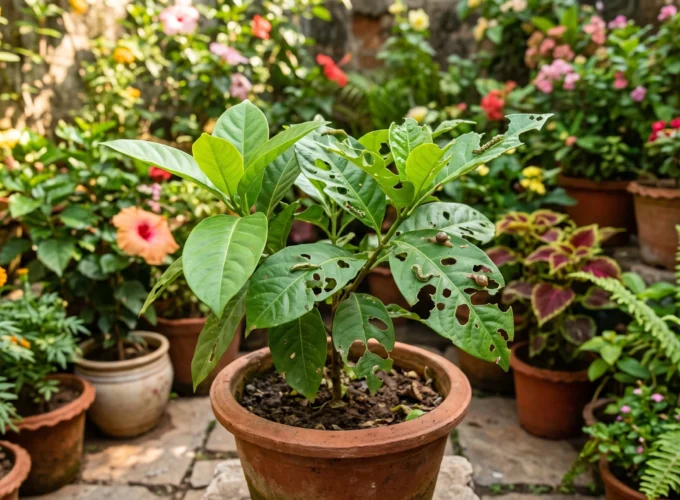

One day, your plants look perfectly healthy.
A few weeks later, you start noticing:
- Yellow patterns on leaves
- Curled foliage
- Stunted growth
- Fewer flowers
- Misshapen fruits
Many gardeners immediately blame:
- Fertilizer deficiency
- Watering mistakes
- Poor soil quality
While these issues can affect plant health, they aren’t always the real cause.
Sometimes, the problem is a plant viral disease.
Plant viruses are among the most challenging plant health issues because they often mimic nutrient deficiencies and pest damage.
For home gardeners, early identification is critical.
The sooner you recognize a viral infection, the easier it becomes to protect the rest of your garden.
In this guide, we’ll explore:
- Common viral diseases in home gardens
- Symptoms to watch for
- How plant viruses spread
- Prevention strategies
- Practical management tips for Indian gardeners
For premium gardening products and plant care solutions, visit https://shridharagreens.com/.
What Are Plant Viral Diseases?
Plant viruses are microscopic infectious agents that invade plant cells and interfere with normal growth processes.
Unlike fungal or bacterial diseases, viruses live inside plant tissues.
They can affect:
- Photosynthesis
- Growth
- Flowering
- Fruit development
- Overall plant vigor
Unfortunately:
Most viral diseases cannot be completely cured once the plant is infected.
This is why prevention and early detection are so important.
How Do Plant Viruses Spread?
Understanding how viruses spread helps gardeners prevent future outbreaks.
The most common transmission methods include:
Insect Pests
Many viruses are carried by:
- Aphids
- Whiteflies
- Thrips
- Leafhoppers
These insects feed on infected plants and transfer the virus to healthy ones.
Infected Plant Material
Viruses may enter your garden through:
- Nursery plants
- Seedlings
- Cuttings
Contaminated Garden Tools
Pruners and gardening scissors can spread infected sap.
Human Contact
Handling infected plants and then touching healthy plants can sometimes spread disease.
Common Symptoms of Viral Diseases
While symptoms vary, several warning signs appear repeatedly.
Look for:
✔ Mosaic leaf patterns
✔ Yellow mottling
✔ Leaf curling
✔ Distorted growth
✔ Stunted plants
✔ Poor flowering
✔ Reduced fruit production
✔ Ring spots on leaves
These symptoms often persist despite proper watering and fertilization.
1. Mosaic Virus
One of the most common viral diseases found in home gardens is Mosaic Virus.
This group includes several viruses that affect vegetables and ornamental plants.
Common Symptoms
- Light and dark green patches
- Yellow mottling
- Distorted leaves
- Reduced plant vigor
Commonly Affected Plants
- Tomato
- Chilli
- Capsicum
- Cucumber
- Pumpkin
- Beans
Management
- Remove severely infected plants
- Control aphids and whiteflies
- Use healthy planting material
- Disinfect tools regularly
2. Tomato Leaf Curl Virus
Tomatoes are among the most popular plants in Indian home gardens.
Unfortunately, they are also vulnerable to viral infections.
Symptoms
- Upward leaf curling
- Thickened leaves
- Reduced growth
- Poor fruit production
Spread By
Primarily whiteflies.
Management
- Monitor whitefly populations
- Remove infected plants
- Maintain good garden hygiene
Early intervention is essential.
3. Chilli Leaf Curl Disease
This viral disease is extremely common in chilli and pepper plants.
Symptoms
- Curled leaves
- Stunted growth
- Reduced flowering
- Small fruits
Common Causes
Whitefly transmission is the primary cause.
Prevention
- Regular pest monitoring
- Healthy seedlings
- Good airflow around plants
4. Cucumber Mosaic Virus (CMV)
Cucumber Mosaic Virus affects hundreds of plant species.
It is one of the most widespread plant viruses globally.
Symptoms
- Mosaic leaf patterns
- Distorted leaves
- Reduced fruit quality
- Poor plant growth
Common Hosts
- Cucumber
- Melons
- Tomato
- Chilli
- Ornamental plants
Management
Controlling aphids is critical because they are major virus carriers.
5. Papaya Ring Spot Virus
Home gardeners growing papaya often encounter this disease.
Symptoms
- Ring-shaped markings on fruit
- Distorted leaves
- Reduced fruit production
- Stunted growth
Spread By
Aphids.
Prevention
- Monitor insect populations
- Remove infected plants quickly
6. Rose Mosaic Disease
Flower gardeners should be aware of viral problems affecting roses.
Symptoms
- Yellow line patterns
- Mottled leaves
- Reduced flower production
Impact
While infected plants may survive, flowering performance often declines significantly.
How to Tell If It’s a Virus or Nutrient Deficiency
Many gardeners struggle to distinguish between the two.
Nutrient Deficiencies Usually:
- Follow predictable patterns
- Improve after fertilization
- Affect specific leaves first
Viral Diseases Usually:
- Cause irregular patterns
- Produce distorted growth
- Persist despite proper feeding
If symptoms continue after correcting nutrition, a virus may be involved.
Can Viral Diseases Be Treated?
This is one of the most common gardening questions.
Unfortunately:
Most plant viral diseases do not have a direct cure.
Once the virus spreads throughout the plant, elimination becomes extremely difficult.
Management focuses on:
- Prevention
- Early detection
- Pest control
- Limiting spread
How to Manage Viral Diseases in Home Gardens
Although viruses cannot usually be cured, you can reduce damage and protect healthy plants.
Control Insect Vectors
The majority of plant viruses spread through insects.
Regularly inspect plants for:
- Aphids
- Whiteflies
- Thrips
Early pest control greatly reduces viral risk.
Maintain Garden Hygiene
Clean:
- Pruners
- Garden scissors
- Knives
- Gloves
between plants.
Remove Severely Infected Plants
In some cases, removing infected plants prevents larger outbreaks.
Buy Healthy Plants
Always source:
- Seedlings
- Cuttings
- Nursery plants
from reputable suppliers.
Support Overall Plant Health
Healthy plants tolerate stress more effectively.
Focus on:
- Quality growing media
- Balanced nutrition
- Proper watering
- Adequate sunlight
Strong plants are better equipped to handle challenges.
Plants Most Commonly Affected by Viral Diseases
Vegetables
- Tomato
- Chilli
- Capsicum
- Cucumber
- Pumpkin
Fruit Plants
- Papaya
- Citrus
- Banana
Flowering Plants
- Rose
- Petunia
- Chrysanthemum
Ornamentals
Many indoor and outdoor ornamental plants can also be affected.
Frequently Asked Questions
What is the most common viral disease in vegetable gardens?
Mosaic viruses and leaf curl viruses are among the most common.
Can plant viruses spread through tools?
Yes. Contaminated tools can transfer infected plant sap.
Are plant viruses harmful to humans?
No. Plant viruses generally affect plants only and are not harmful to people.
Can fertilizers cure viral diseases?
No. Fertilizers improve nutrition but cannot eliminate plant viruses.
How do I prevent viral infections in my garden?
Control insect pests, maintain hygiene, use healthy plants, and inspect plants regularly.
Final Thoughts
Plant viral diseases can be frustrating because they often resemble nutrient deficiencies and other common gardening problems.
However, recognizing symptoms such as:
✔ Mosaic patterns
✔ Leaf curling
✔ Distorted growth
✔ Poor flowering
✔ Reduced fruit production
can help you identify problems early.
Since most plant viruses cannot be cured, prevention remains your strongest defense.
By controlling insect pests, maintaining garden hygiene, using healthy planting material, and regularly monitoring plants, you can significantly reduce the risk of viral outbreaks.
For premium gardening products and plant care solutions, visit https://shridharagreens.com/ and help your plants stay healthy, productive, and resilient throughout the growing season.