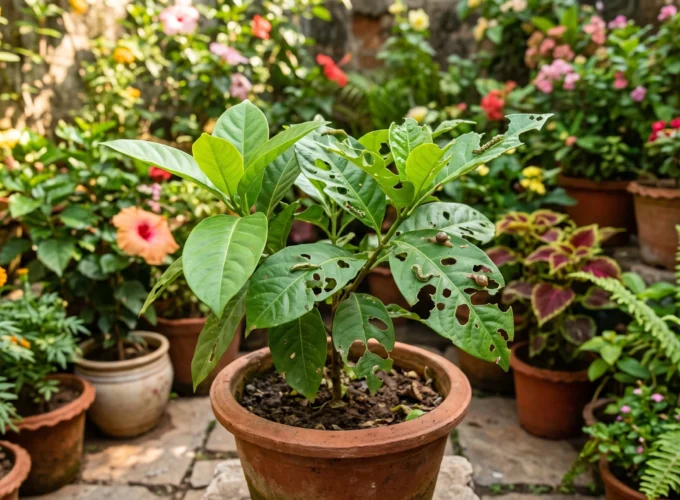
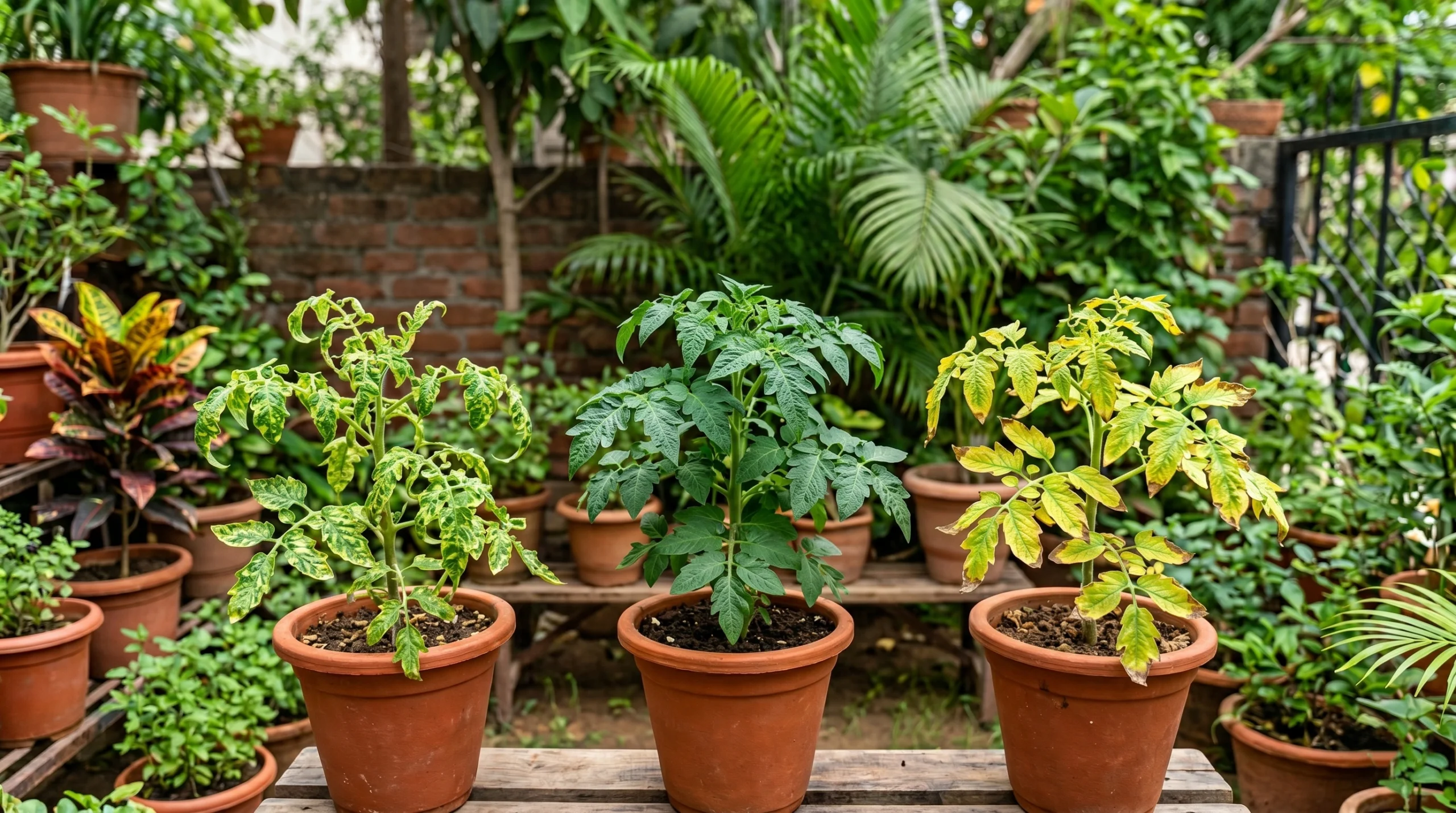
Your plant’s leaves are turning yellow.
Growth has slowed.
Flowers are dropping.
The leaves look unusual, and something clearly isn’t right.
Naturally, most gardeners ask:
“Does my plant need fertilizer, or is it infected with a virus?”
This is one of the most common gardening challenges because plant viruses and nutrient deficiencies often produce similar symptoms.
Both can cause:
- Yellow leaves
- Stunted growth
- Poor flowering
- Weak plants
- Reduced yields
As a result, many gardeners mistakenly add fertilizers to virus-infected plants or assume a nutrient deficiency is a disease.
The key to saving your plants is learning how to identify the difference.
In this guide, you’ll learn:
- What nutrient deficiencies look like
- Common signs of plant viruses
- Key differences between the two
- How to diagnose plant problems correctly
- Prevention and management tips for home gardeners
For premium gardening products and plant care solutions, visit https://shridharagreens.com/.
Why Correct Diagnosis Matters
Many plant problems have similar symptoms.
For example:
Yellow Leaves
Could indicate:
- Nitrogen deficiency
- Iron deficiency
- Viral infection
- Root stress
Stunted Growth
Could result from:
- Poor nutrition
- Viral disease
- Compacted soil
- Root damage
Without proper diagnosis, treatments may fail.
Understanding the cause helps you choose the right solution.
What Is a Nutrient Deficiency?
Plants require essential nutrients to grow properly.
The most important include:
- Nitrogen (N)
- Phosphorus (P)
- Potassium (K)
- Iron
- Calcium
- Magnesium
When plants cannot access enough of these nutrients, deficiency symptoms begin to appear.
Nutrient deficiencies are usually related to:
- Poor soil fertility
- Old growing media
- pH imbalances
- Root problems
- Inadequate fertilization
The good news?
Most nutrient deficiencies can be corrected.
What Is a Plant Virus?
A plant virus is a microscopic pathogen that infects plant cells.
Unlike nutrient deficiencies, viruses interfere with the plant’s internal growth processes.
Plant viruses often spread through:
- Aphids
- Whiteflies
- Thrips
- Contaminated tools
- Infected plant material
Unfortunately:
Most plant viral infections cannot be cured once established.
This makes early identification extremely important.
Symptom #1: Yellow Leaves
Yellow leaves are often the first symptom gardeners notice.
But the pattern matters.
Nutrient Deficiency
Yellowing usually follows a predictable pattern.
For example:
Nitrogen Deficiency
- Older leaves turn yellow first
- Yellowing spreads gradually
Iron Deficiency
- New leaves become yellow
- Veins often remain green
Viral Infection
Yellowing tends to appear:
- Randomly
- Unevenly
- In blotches or patches
The pattern often looks unusual compared to normal nutrient deficiencies.
Symptom #2: Leaf Patterns
Leaf patterns provide one of the biggest clues.
Nutrient Deficiency
Leaves may:
- Fade evenly
- Show chlorosis
- Develop edge discoloration
The pattern is generally consistent.
Viral Infection
Many viruses create:
Mosaic Patterns
Leaves show:
- Light green patches
- Dark green patches
- Yellow mottling
This mosaic effect is one of the classic signs of plant viral disease.
Symptom #3: Leaf Shape Changes
Leaf distortion helps distinguish viruses from nutrient problems.
Nutrient Deficiency
Leaves may become:
- Smaller
- Pale
- Slightly misshapen
But their basic structure remains normal.
Viral Infection
Viruses frequently cause:
- Curling leaves
- Twisted foliage
- Wrinkling
- Deformed growth
These symptoms are often more dramatic.
Symptom #4: Growth Rate
Both conditions can slow growth.
However, the pattern differs.
Nutrient Deficiency
Growth slows gradually.
The plant often responds positively after feeding.
Viral Infection
Growth may become:
- Severely stunted
- Irregular
- Permanently distorted
Even after fertilization, the plant usually does not recover fully.
Symptom #5: Flowering and Fruiting Problems
Poor flowering is common in both cases.
Nutrient Deficiency
May cause:
- Fewer flowers
- Smaller blooms
- Reduced fruit set
Improvement often occurs after correcting nutrition.
Viral Infection
May result in:
- Deformed flowers
- Flower drop
- Misshapen fruits
- Poor fruit quality
Symptoms often persist regardless of fertilization.
Symptom #6: Response to Fertilizer
This is one of the easiest diagnostic tools.
Ask yourself:
“Did the plant improve after feeding?”
Nutrient Deficiency
Plants often show improvement within a few weeks.
You may notice:
- Greener leaves
- Better growth
- Improved flowering
Viral Infection
Symptoms generally continue.
The plant may remain:
- Distorted
- Stunted
- Discolored
despite proper nutrition.
Quick Comparison Table
| Symptom | Nutrient Deficiency | Plant Virus |
| Yellowing Pattern | Predictable | Random & patchy |
| Leaf Shape | Mostly normal | Distorted or curled |
| Mosaic Patterns | Rare | Common |
| Growth Recovery | Improves with nutrition | Usually does not improve |
| Flowering Issues | Can improve after feeding | Often persists |
| Fruit Quality | May improve | Often distorted |
| Spread to Nearby Plants | No | Yes |
Plants Commonly Affected by Nutrient Deficiencies
Indoor Plants
- Money Plant
- Peace Lily
- Areca Palm
Vegetable Plants
- Tomato
- Chilli
- Brinjal
- Cucumber
Flowering Plants
- Rose
- Hibiscus
- Jasmine
Most nutrient-related issues can be corrected through proper plant care.
Plants Commonly Affected by Viral Diseases
Vegetable Crops
- Tomato
- Chilli
- Capsicum
- Cucumbers
Fruit Plants
- Papaya
- Citrus
- Banana
Ornamentals
- Roses
- Petunias
- Chrysanthemums
These plants are particularly vulnerable to virus-carrying insects.
How to Prevent Both Problems
The best approach is prevention.
Maintain Healthy Growing Media
Healthy roots improve nutrient uptake and plant resilience.
Use Balanced Nutrition
Regular feeding helps prevent deficiencies.
Control Insect Pests
Aphids and whiteflies are major virus carriers.
Inspect Plants Frequently
Early detection often prevents larger problems.
Clean Gardening Tools
Disinfect tools between plants to reduce disease transmission.
When Should You Suspect a Virus?
Consider viral infection if:
✔ Mosaic leaf patterns appear
✔ Leaves become twisted or distorted
✔ Growth remains stunted despite fertilization
✔ Nearby plants develop similar symptoms
✔ Aphid or whitefly infestations are present
These signs often point toward a viral issue rather than a nutrient deficiency.
Frequently Asked Questions
Can yellow leaves indicate a virus?
Yes, but yellow leaves can also result from nutrient deficiencies, overwatering, and root problems. The pattern of yellowing provides important clues.
Can fertilizers cure a viral infection?
No. Fertilizers may improve general plant health, but cannot eliminate viruses.
What is the most common sign of a plant virus?
Mosaic leaf patterns, distorted growth, and leaf curling are among the most common symptoms.
How do I know if my plant lacks nutrients?
Deficiencies usually follow predictable patterns and often improve after feeding.
Can plant viruses spread to other plants?
Yes. Many viruses spread through insects, tools, and infected plant material.
Final Thoughts
When plants begin showing unusual symptoms, it’s easy to assume they simply need fertilizer.
However, not every yellow leaf or stunted plant is suffering from nutrient deficiency.
The biggest differences are:
✔ Nutrient deficiencies usually follow predictable patterns
✔ Viral infections often cause mosaic patterns and distorted growth
✔ Nutrient problems often improve with proper feeding
✔ Viral symptoms typically persist despite fertilization
Learning to recognize these differences can save time, money, and potentially protect the rest of your garden.
For premium gardening products and plant care solutions, visit https://shridharagreens.com/ and keep your plants healthier, stronger, and more productive throughout the year.