Organic fertilizers are widely trusted for healthy gardening, sustainable farming, and long-term soil improvement. They nourish plants naturally while improving soil fertility, microbial activity, and root development.
But many gardeners notice something surprising:
Two people may use the same organic fertilizer on similar plants — yet one gets excellent results while the other sees slow growth or poor flowering.
Why does this happen?
The answer often lies in the soil itself.
Soil condition plays a major role in how effectively organic fertilizers work.
Unlike chemical fertilizers that provide instant nutrients directly to plants, organic fertilizers depend heavily on soil biology, moisture, microbial activity, and decomposition processes.
If the soil condition is poor, even high-quality organic fertilizers may not perform properly.
Understanding how soil affects fertilizer performance is extremely important for:
- Home gardeners
- Terrace gardeners
- Organic farmers
- Indoor plant owners
- Nursery growers
In this detailed guide, you will learn:
- How organic fertilizers work
- Why soil condition matters
- Which soil problems reduce fertilizer performance
- How to improve soil naturally
- Best practices for Indian gardening conditions
What Are Organic Fertilizers?
Organic fertilizers are natural plant nutrition sources made from organic materials such as:
- Vermicompost
- Compost
- Cow manure
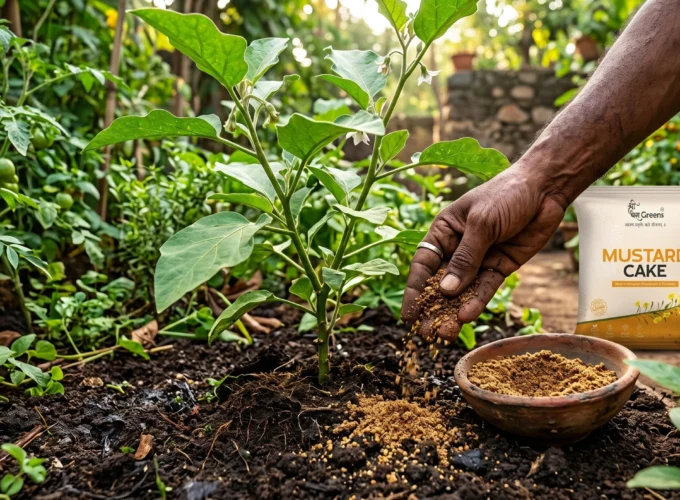
- Neem cake
- Seaweed extract
- Bone meal
- Organic bio-fertilizers
These fertilizers release nutrients gradually while improving:
- Soil fertility
- Root growth
- Soil microbes
- Water retention
- Soil structure
Unlike synthetic fertilizers, organic fertilizers work through natural biological activity inside the soil.
High-quality organic fertilizers for healthy gardening are available at Shridhara Greens and through the specialized Organic Fertilizers Collection.
Why Soil Condition Matters for Organic Fertilizers
Organic fertilizers do not instantly release nutrients.
Instead, they rely on:
- Soil microorganisms
- Moisture
- Oxygen
- Temperature
- Decomposition activity
to convert organic matter into plant-available nutrients.
This means soil acts like a living system.
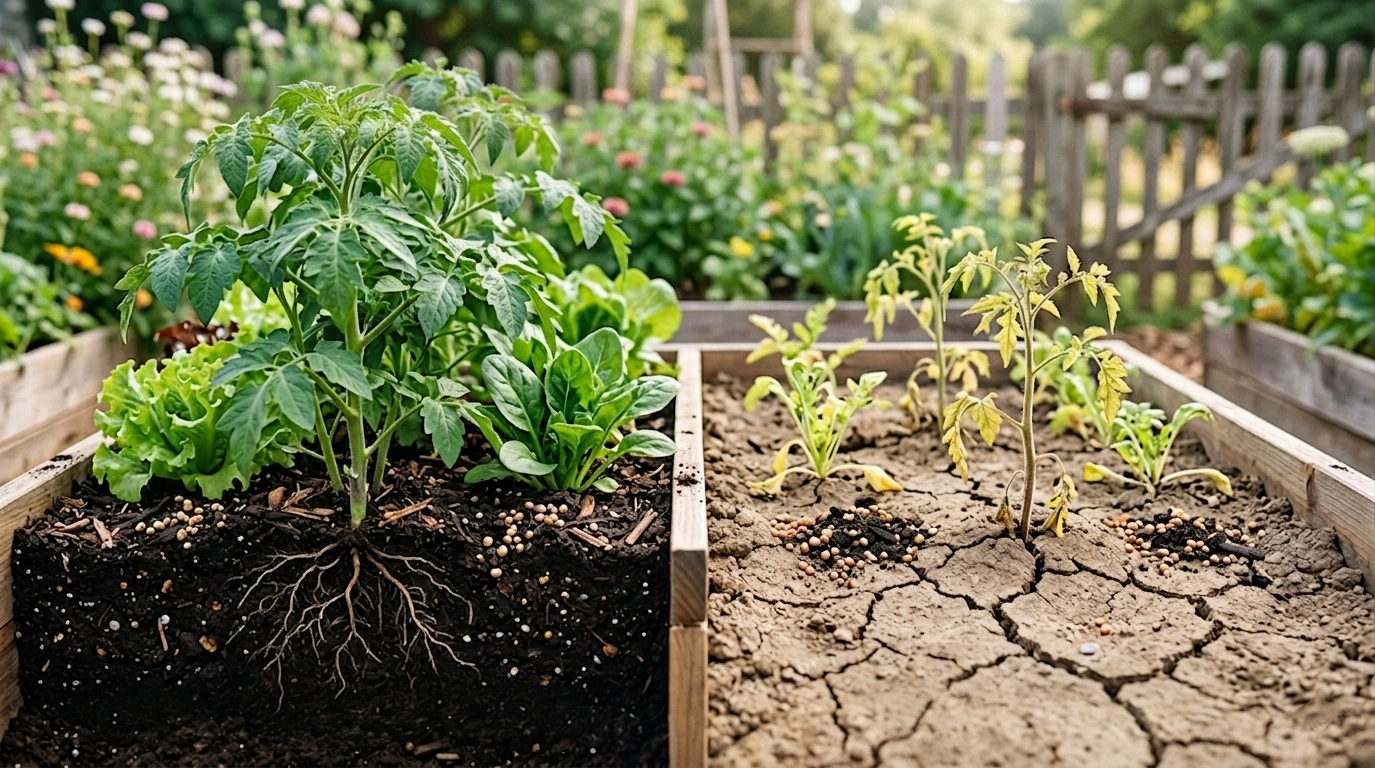
Healthy soil improves fertilizer performance.
Poor soil slows it down.
How Organic Fertilizers Actually Work
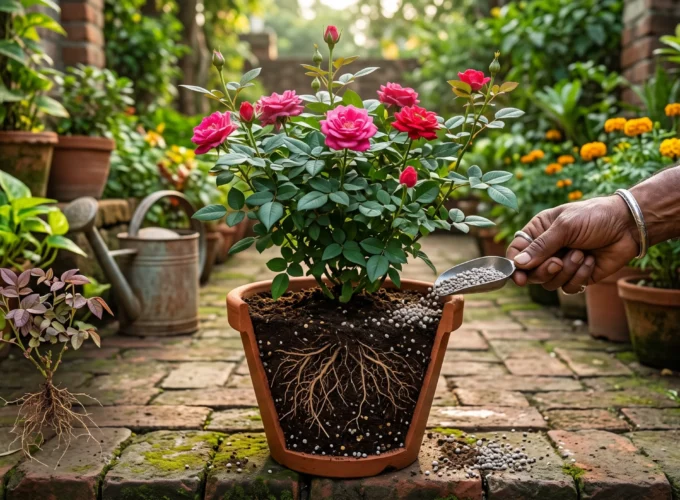
When organic fertilizer is added to soil:
- Soil microbes begin breaking down organic matter
- Nutrients gradually become available
- Plant roots absorb released nutrients
- Soil structure improves over time
This process is biological, not purely chemical.
That is why soil condition directly affects how efficiently organic fertilizers perform.
Key Soil Conditions That Affect Organic Fertilizer Performance
1. Soil Texture
Soil texture refers to the proportion of:
- Sand
- Silt
- Clay
Different textures affect:
- Water retention
- Nutrient movement
- Aeration
- Root growth
Sandy Soil
Sandy soil drains water quickly and often loses nutrients faster.
Challenges include:
- Low nutrient retention
- Dry conditions
- Reduced microbial activity
Organic fertilizers may decompose too quickly or wash away easily in sandy soil.
Solution:
Add:
- Compost
- Cocopeat
- Vermicompost
- Organic matter
to improve moisture retention.
Clay Soil
Clay soil holds water for longer periods but may become compacted.
Challenges include:
- Poor drainage
- Limited oxygen
- Slow root growth
Excess moisture may reduce microbial balance and affect fertilizer breakdown.
Solution:
Improve aeration using:
- Organic compost
- Cocopeat
- Sand
- Mulching
Loamy Soil
Loamy soil is considered ideal because it balances:
- Drainage
- Moisture retention
- Aeration
- Nutrient availability
Organic fertilizers usually perform best in healthy loamy soil.
2. Soil Microbial Activity
Organic fertilizers depend heavily on beneficial microorganisms.
Healthy microbes help:
- Break down organic matter
- Release nutrients
- Improve soil fertility
- Support root health
Poor microbial activity reduces fertilizer efficiency significantly.
What Reduces Soil Microbial Activity?
- Excess chemical fertilizers
- Pesticide overuse
- Compacted soil
- Dry conditions
- Waterlogging
Healthy microbial life is essential for successful organic gardening.
3. Soil pH Levels
Soil pH affects nutrient availability.
If pH becomes too acidic or too alkaline, plants struggle to absorb nutrients even if fertilizers are present.
Acidic Soil
Excess acidity may reduce:
- Calcium availability
- Microbial balance
- Root health
Alkaline Soil
Highly alkaline soil may lock nutrients such as:
- Iron
- Zinc
- Phosphorus
Ideal pH for Most Plants
Most garden plants prefer slightly neutral soil conditions.
Organic fertilizers usually perform best in balanced pH environments.
4. Soil Drainage
Drainage controls:
- Oxygen availability
- Root health
- Microbial balance
Poor drainage creates waterlogged conditions that:
- Suffocate roots
- Slow decomposition
- Promote fungal diseases
Good drainage improves organic fertilizer efficiency naturally.
5. Soil Moisture
Organic fertilizers need moisture for decomposition.
Extremely dry soil slows microbial activity and nutrient release.
However, excessive moisture can also create problems like:
- Root rot
- Anaerobic conditions
- Fungal growth
Balanced moisture is ideal.
6. Soil Compaction
Compacted soil restricts:
- Root expansion
- Oxygen flow
- Water movement
- Microbial activity
Even premium organic fertilizers struggle in compacted soil.
Signs of Compacted Soil
- Hard soil surface
- Poor drainage
- Weak root growth
- Water pooling
Solution
Loosen soil regularly and add organic matter.
Why Organic Fertilizers Work Slowly Compared to Chemical Fertilizers
Many gardeners expect immediate results.
But organic fertilizers naturally work slower because they:
- Depend on decomposition
- Improve soil gradually
- Build long-term fertility
Healthy soil speeds up this process significantly.
How to Improve Soil for Better Organic Fertilizer Performance
Add Organic Matter Regularly
Organic matter improves:
- Soil structure
- Water retention
- Microbial life
Use:
- Compost
- Vermicompost
- Cocopeat
- Leaf compost
Mulching
Mulch helps maintain:
- Moisture
- Temperature balance
- Soil biology
Avoid Excess Chemical Usage
Heavy chemical fertilizer use may damage beneficial microbes.
Improve Aeration
Loosen soil periodically for better oxygen flow.
Maintain Proper Watering
Balanced watering supports microbial activity and root health.
Best Organic Fertilizers for Soil Health
Vermicompost
Vermicompost improves:
- Soil biology
- Nutrient availability
- Root development
Neem Cake
Neem cake supports:
- Soil fertility
- Pest management
- Organic nutrient supply
Compost
Compost improves overall soil structure and fertility naturally.
Seaweed Fertilizer
Seaweed-based fertilizers support plant stress resistance and microbial activity.
How the Indian Climate Affects Organic Fertilizer Performance
India’s climate conditions vary widely.
During Monsoon
Heavy rainfall may:
- Wash nutrients away
- Create waterlogging
- Reduce oxygen availability
Drainage becomes critical.
During Summer
Dry heat may:
- Reduce microbial activity
- Dry out the soil quickly
Mulching and regular watering help maintain balance.
During Winter
Cool temperatures slow decomposition naturally.
Organic fertilizers may release nutrients more slowly.
Common Mistakes Gardeners Make
Applying Organic Fertilizers in Poor Soil Without Improvement
Even organic fertilizers need healthy soil conditions.
Overwatering
Too much water damages roots and microbial balance.
Ignoring Soil Testing
Understanding soil conditions improves fertilizer efficiency greatly.
Expecting Instant Results
Organic gardening focuses on gradual, long-term improvement.
Benefits of Healthy Soil with Organic Fertilizers
When soil condition is healthy, organic fertilizers provide:
- Better root growth
- Stronger plants
- Improved flowering
- Higher fruit yield
- Better moisture retention
- Long-term fertility
Healthy soil becomes more productive over time.
Frequently Asked Questions
Why are organic fertilizers less effective in poor soil?
Organic fertilizers rely on microbial activity and decomposition, both of which reduce in unhealthy soil conditions.
Does soil pH affect organic fertilizer performance?
Yes. Extreme pH levels may reduce nutrient availability and microbial activity.
Which soil is best for organic fertilizers?
Loamy soil with good drainage and organic matter usually performs best.
Can organic fertilizers improve soil condition?
Yes. Organic fertilizers gradually improve soil fertility, microbial life, and structure.
Why does organic fertilizer work slowly?
Organic fertilizers release nutrients gradually through natural decomposition processes.
Final Thoughts
Soil condition is one of the biggest factors influencing organic fertilizer performance.
Even the best organic fertilizers cannot perform efficiently if the soil suffers from:
- Poor drainage
- Compaction
- Low microbial activity
- Extreme pH imbalance
- Lack of organic matter
Healthy soil creates the perfect environment for organic fertilizers to release nutrients naturally and support long-term plant growth.
For Indian gardeners, terrace gardeners, and organic growers, improving soil health should always be the foundation of successful gardening.
When healthy soil and quality organic fertilizers work together, plants become stronger, greener, and more productive naturally.
If you are looking for trusted organic fertilizers and gardening solutions for healthier soil and better plant growth, visit Shridhara Greens and explore the premium Organic Fertilizers Collection for naturally thriving gardens.