Many gardeners spend a lot of time choosing the right plants, fertilizers, and pots—but overlook one of the most important factors in plant health:
The growing media.
You can provide:
- The best fertilizer
- Proper watering
- Adequate sunlight
Yet your plants may still struggle if they are growing in the wrong medium.
Whether you’re growing:
- Indoor plants
- Flowering plants
- Vegetables
- Herbs
- Succulents
- Terrace garden plants
The growing media directly affects how roots access water, oxygen, and nutrients.
In fact, many common plant problems that gardeners blame on pests, fertilizers, or watering are actually caused by poor growing media.
In this guide, you’ll learn:
- What growing media is
- Why it matters
- Signs you’re using the wrong growing medium
- How to choose the right growing media for different plants
- Best growing media options for Indian gardeners
For premium gardening products and growing media solutions, visit Shridhara Greens and explore the complete Soil & Growing Media Collection.
What Is Growing Media?
Growing media refers to the material that supports plant roots and helps provide access to:
- Water
- Oxygen
- Nutrients
Unlike ordinary garden soil, modern growing media is often designed to improve:
- Drainage
- Moisture retention
- Root development
- Aeration
Common growing media include:
- Cocopeat
- Vermicompost
- Perlite
- Potting mix
- Organic compost
- Soil conditioners
The right combination creates an ideal environment for root growth.
Why Growing Media Is Important
Roots are the foundation of every healthy plant.
Healthy roots need:
✔ Water
✔ Oxygen
✔ Nutrients
✔ Space to grow
The wrong growing media can limit all of these.
As a result, plants may suffer from:
- Slow growth
- Yellow leaves
- Poor flowering
- Root rot
- Frequent wilting
Many gardeners treat symptoms without addressing the actual cause.
Sign #1: Your Plant Stays Wet for Too Long
One of the biggest warning signs is constantly wet soil.
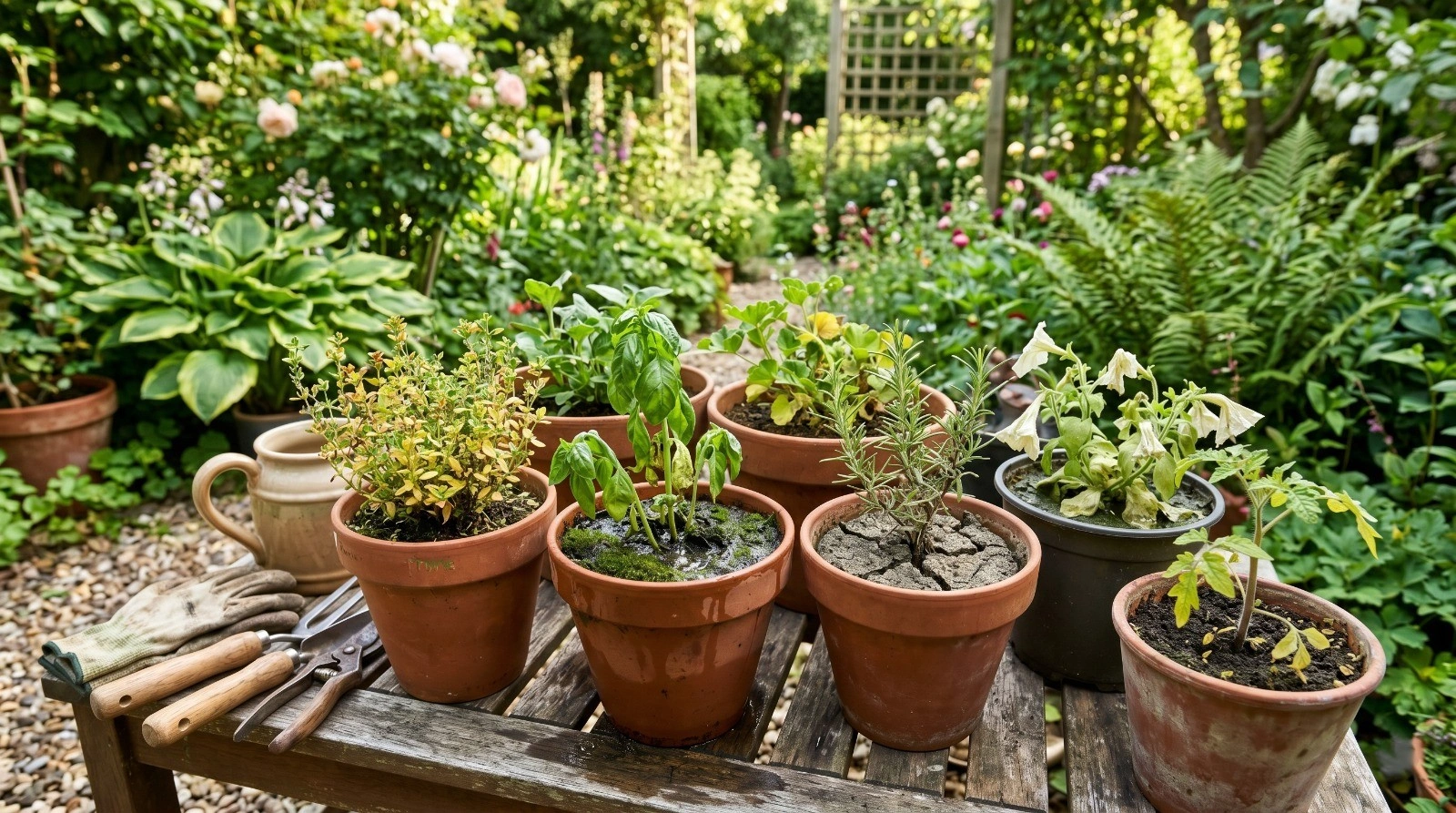
If your pot remains wet for several days after watering, the growing media may be retaining too much moisture.
Common symptoms:
- Yellow leaves
- Fungus growth
- Bad smell from the soil
- Wilting despite wet soil
Excess moisture reduces oxygen around roots and increases the risk of root rot.
Sign #2: Your Plant Dries Out Too Quickly
The opposite problem is equally common.
If your plants seem thirsty every day, the growing medium may not be retaining enough moisture.
Common signs:
- Dry soil within hours
- Crispy leaf edges
- Frequent watering requirements
- Drooping foliage
A balanced growing medium should hold moisture without becoming waterlogged.
Sign #3: Slow or Stunted Growth
Healthy plants produce:
- New leaves
- Strong stems
- Active root growth
If growth appears unusually slow despite proper care, the growing media may be restricting root development.
Possible causes include:
- Soil compaction
- Poor aeration
- Low organic matter
- Weak root support
Roots cannot grow efficiently in poor-quality media.
Sign #4: Water Runs Straight Through the Pot
Have you noticed water flowing out immediately after watering?
This often indicates:
- Poor moisture retention
- Compacted root zones
- Depleted growing media
Healthy growing media absorbs and distributes moisture evenly.
When water passes through too quickly, roots may not receive adequate hydration.
Sign #5: Yellow Leaves Despite Fertilizing
Many gardeners immediately add more fertilizer when leaves turn yellow.
However, the real issue may be the growing medium.
Poor growing media can limit nutrient absorption even when nutrients are present.
Common causes include:
- Waterlogged roots
- Compacted soil
- Poor aeration
In these situations, fertilizer alone may not solve the problem.
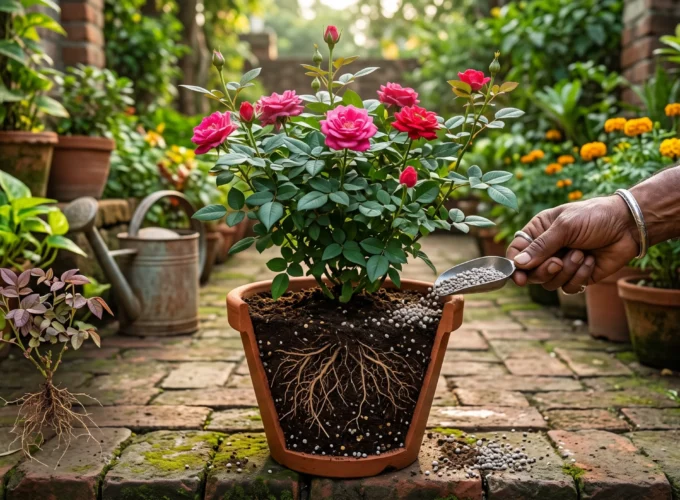
Sign #6: Weak Root Development
Healthy roots should be:
White
- Firm
- Well spread
If roots appear:
- Brown
- Weak
- Sparse
- Stunted
The growing medium may be creating an unhealthy environment.
Root health is often the first indicator of media quality.
Sign #7: Poor Flowering and Fruiting
Many flowering and fruiting plants depend on strong root systems.
When growing media performs poorly, plants may:
- Produce fewer flowers
- Drop buds
- Develop weak fruit sets
The plant may survive but fail to reach its full potential.
Sign #8: Soil Becomes Hard and Compact
Over time, poor-quality media can become dense and compact.
Compacted media reduces:
- Oxygen movement
- Root expansion
- Water distribution
This often leads to:
- Slow growth
- Drainage problems
- Root stress
Healthy growing media should remain loose and airy.
Sign #9: Seed Germination Is Poor
If seeds consistently fail to germinate, the growing medium may be responsible.
Poor seed-starting media often causes:
- Seed rot
- Uneven germination
- Weak seedlings
Seeds need a medium that provides:
- Moisture
- Oxygen
- Stability
without becoming soggy.
Sign #10: Your Plants Need Constant Troubleshooting
Do you constantly deal with:
- Yellow leaves?
- Root problems?
- Wilting?
- Poor growth?
If multiple issues appear repeatedly across different plants, the growing medium may be the common factor.
Healthy growing media simplifies plant care.
Which Growing Media Works Best for Most Plants?
The ideal growing media depends on plant type.
However, most container plants benefit from a combination of:
Cocopeat
Improves moisture retention and aeration.
Vermicompost
Provides organic nutrients and supports microbial activity.
Perlite
Improves drainage and root oxygen.
Organic Compost
Enhances soil structure and fertility.
A balanced mix generally performs better than plain garden soil.
Common Growing Media Mistakes Gardeners Make
Using Only Garden Soil
Garden soil often becomes compacted in containers.
Ignoring Drainage
Poor drainage increases root problems.
Using the Same Media for Every Plant
Different plants have different requirements.
Succulents and vegetables need different growing conditions.
Never-Refreshing Potting Mix
Growing media naturally degrades over time.
Periodic improvement supports healthier growth.
How to Choose the Right Growing Media
Before selecting a growing medium, consider:
Plant Type
Is it:
- Indoor?
- Flowering?
- Vegetable?
- Succulent?
Water Requirements
Some plants prefer:
- Moist conditions
Others prefer:
- Faster drainage
Climate
Indian summers often require media with better moisture retention.
Container Size
Larger pots behave differently from small containers.
Why Modern Gardeners Prefer Soilless Growing Media
Soilless growing media have become popular because they offer:
- Better drainage
- Improved aeration
- Cleaner gardening
- Enhanced root development
- Consistent performance
They are widely used in:
- Terrace gardening
- Indoor gardening
- Seed starting
- Nursery production
Explore premium growing media solutions at Shridhara Greens Soil & Growing Media Collection.
Frequently Asked Questions
What is growing media?
Growing media is the material that supports plant roots and provides water, oxygen, and nutrients.
How do I know if my growing media is bad?
Signs include poor drainage, slow growth, yellow leaves, root problems, and frequent wilting.
Can growing media affect flowering?
Yes. Poor root health often leads to reduced flowering and fruiting.
Is garden soil enough for potted plants?
Garden soil alone may become compacted and reduce drainage in containers.
Which growing media is best for container gardening?
Balanced mixes containing cocopeat, compost, vermicompost, and perlite are commonly used.
Final Thoughts
Many plant problems begin below the surface.
If your plants are experiencing:
- Slow growth
- Yellow leaves
- Poor flowering
- Weak roots
- Drainage issues
The growing media could be the real culprit.
The right growing media creates the perfect balance of:
✔ Moisture
✔ Aeration
✔ Nutrients
✔ Root support
When roots thrive, plants thrive.
For gardeners across India, investing in quality growing media is one of the smartest ways to improve plant health and gardening success.
For premium growing media, soil conditioners, and gardening solutions, visit Shridhara Greens and explore the complete Soil & Growing Media Collection for healthier and more productive plants.