Using pesticide sprays seems simple—spray and protect, right?
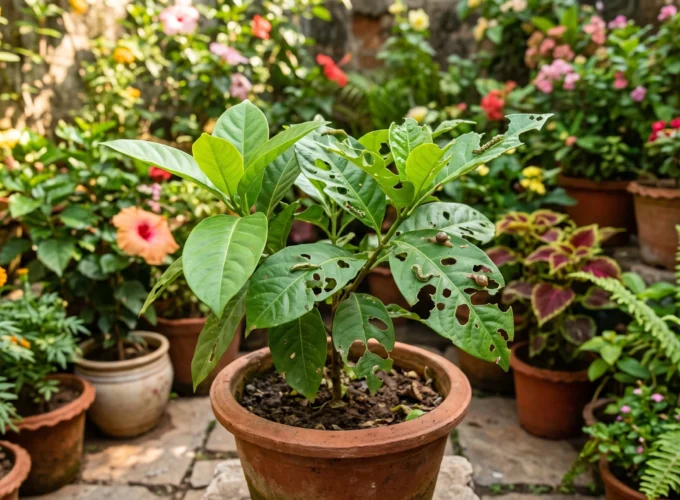
But if you’ve ever noticed yellowing leaves, burnt edges, or pests coming back even after spraying, chances are something went wrong.
The truth is, most plant damage doesn’t happen because of pests—it happens because of incorrect pesticide use.
If you’ve been searching “why isn’t my pesticide working?” or “how to use pesticide spray correctly?”, this guide will clear things up in a simple, practical way.
Why Do Pesticide Sprays Sometimes Fail to Work?
This is one of the most common questions gardeners ask.
Pesticides fail not because they’re ineffective—but because of:
- Incorrect usage
- Wrong timing
- Over or under-application
- Choosing the wrong product
Even high-quality solutions (like those carefully formulated at Shridhara Greens) won’t give results if applied incorrectly.
Are You Using Too Much Pesticide Spray on Your Plants?
More is not better—this is the biggest mistake.
Overusing pesticide spray can:
- Burn plant leaves
- Damage roots
- Kill beneficial insects
- Create resistance in pests
If you’re thinking “more spray = faster results”, it actually does the opposite.
What to do instead:
- Always follow dilution instructions
- Start with a mild concentration
- Increase only if needed
Can Using Too Little Pesticide Be a Problem Too?
Yes—and this is equally common.
Using too little pesticide:
- Doesn’t kill pests completely
- Allows them to multiply again
- Reduces effectiveness over time
This often leads to the frustration of “pests keep coming back even after spraying.”
The right approach:
- Maintain proper balance
- Follow the recommended dosage exactly
Are You Spraying at the Wrong Time of Day?
Timing matters more than most people realize.
Spraying during hot sunlight can:
- Burn leaves
- Evaporate the solution quickly
- Reduce effectiveness
Best time to spray pesticide:
- Early morning
- Late evening
This allows the plant to absorb the solution properly while avoiding heat damage.
Why Spraying Only the Top Leaves Isn’t Enough
Many people spray only what they see—the top leaves.
But pests often hide:
- Under leaves
- Along stems
- In soil or near roots
If you’re wondering “why pests return after spraying?”, this is likely the reason.
Correct method:
- Spray both sides of the leaves
- Cover stems and affected areas
- Ensure even application
Are You Using the Wrong Pesticide for Your Plant Problem?
Not all pests are the same—and neither are pesticides.
Using the wrong product:
- Won’t affect the pest
- Can harm your plant
- Wastes time and money
Common mismatches:
- Fungicide used for insects
- Insecticide used for mites
- General spray used for specific infestations
Understanding your pest problem is the first step to solving it.
Is It Safe to Mix Different Pesticides?
A very common but risky mistake.
Mixing pesticides without knowledge can:
- Create harmful chemical reactions
- Reduce effectiveness
- Damage plant tissues
Unless clearly mentioned, avoid mixing products.
Stick to single, well-formulated solutions designed for specific plant issues.
Are You Ignoring Safety While Using Pesticide Spray?
This is often overlooked, especially in home gardening.
Improper handling can:
- Affect skin and eyes
- Harm pets
- Contaminate indoor air
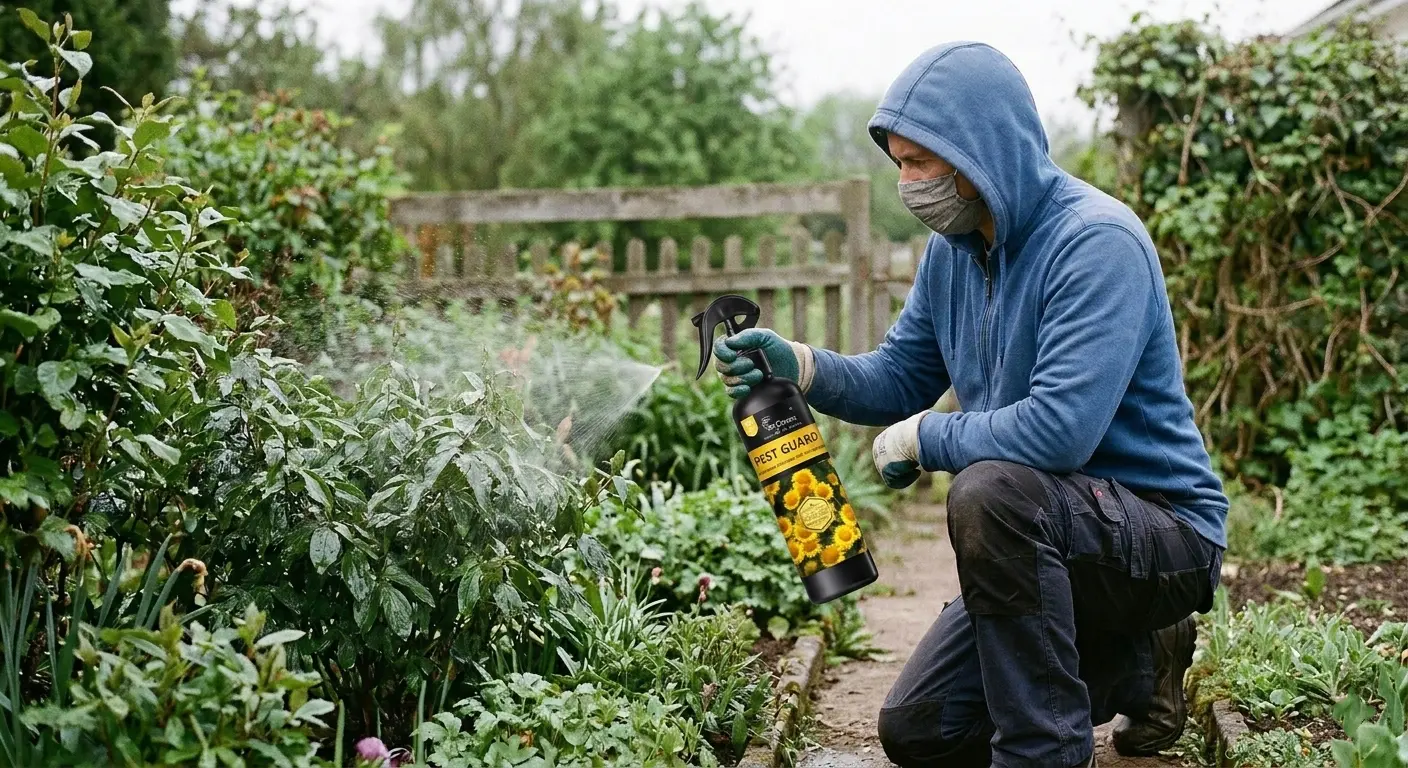
Basic safety tips:
- Wear gloves while spraying
- Avoid inhaling the spray
- Keep away from children and pets
Safe usage ensures both plant and personal health.
Why Do Pests Keep Coming Back Even After Spraying?
If you’ve asked this question, you’re not alone.
Pests return because:
- Eggs were not destroyed
- The spray didn’t reach the hidden areas
- Treatment was not repeated
What works better:
- Follow a spray schedule (every 7–10 days if needed)
- Monitor plants regularly
- Act early before infestation spreads
Consistency is more important than intensity.
Are You Using Chemical Sprays When Natural Options Would Work Better?
Many gardeners jump straight to chemical pesticides.
But in many cases, natural solutions are enough:
- Neem oil sprays
- Soap-based sprays
- Organic pest control solutions
These are safer for:
- Indoor plants
- Edible plants
- Long-term plant health
At Shridhara Greens, plant care solutions are designed to support effective pest control while being easy to use for home gardeners.
What Are the Signs You’re Damaging Your Plants with Pesticides?
Sometimes, the problem isn’t pests—it’s the spray itself.
Watch out for:
- Leaf burn or discoloration
- Curling leaves
- Stunted growth
- White residue buildup
If you notice these signs:
- Stop spraying immediately
- Flush plants with water
- Adjust dosage and method
How to Use Pesticide Spray Correctly for Best Results?
If you want a simple checklist, follow this:
- Identify the pest correctly
- Choose the right pesticide
- Follow dilution instructions
- Spray at the right time
- Cover all plant areas
- Repeat as needed
Keeping things simple ensures better results.
Why Proper Pesticide Use Is the Key to Healthy Plants
Pesticide sprays are powerful tools—but only when used correctly.
Most plant issues don’t come from pests alone—they come from misuse of solutions meant to protect them.
Once you avoid these common mistakes:
- Plants recover faster
- Pest problems have reduced significantly
- Growth becomes healthier and more consistent
Instead of spraying blindly, focus on understanding what your plants actually need. With the right approach—and thoughtfully developed solutions available through Shridhara Greens—plant care becomes less about trial and error and more about confident, effective action.
👉 Because the right method doesn’t just remove pests—it helps your plants thrive.