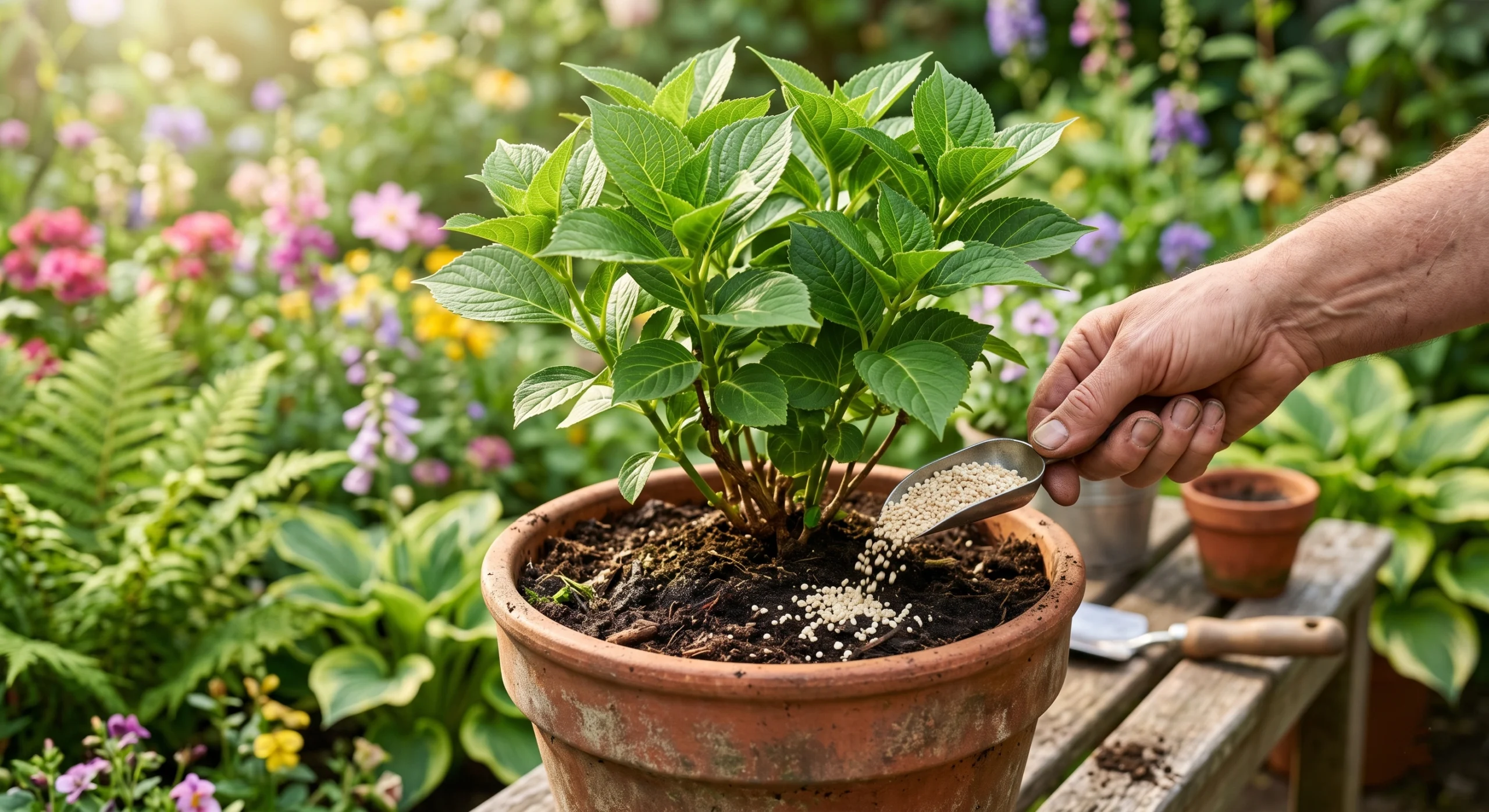
Your plant looks healthy.
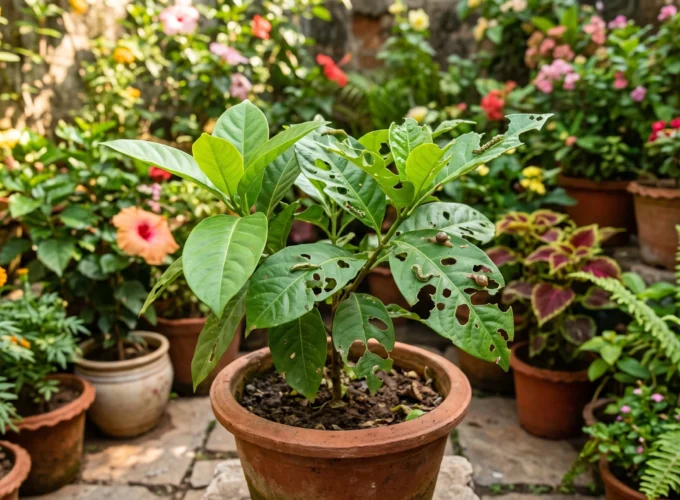
The leaves are green.
The stems are growing well.
New branches keep appearing.
But there’s one problem…
There are no flowers.
If you’ve ever wondered,
“Why is my plant growing lots of leaves but not flowering?”
You’re not alone.
This is one of the most common questions asked by home gardeners across India.
Whether you’re growing:
- Roses
- Hibiscus
- Jasmine (Mogra)
- Bougainvillea
- Marigold
- Flowering shrubs
- Fruiting vegetables like tomatoes and chillies
It’s frustrating when a plant grows beautifully but refuses to bloom.
The good news is that this problem is usually easy to fix once you understand what’s happening.
In this guide, you’ll learn:
- Why do plants produce leaves but no flowers
- The most common mistakes gardeners make
- How phosphorus affects flowering
- Why Bone Meal Fertilizer is popular among gardeners
- Natural ways to encourage more blooms
For premium gardening products and plant care solutions, visit https://shridharagreens.com/.
Why Healthy Leaves Don’t Always Mean Healthy Flowering
Many gardeners assume that a plant full of green leaves is perfectly healthy.
While lush foliage is a good sign, flowering depends on much more than leaf growth.
A plant needs the right balance of:
- Sunlight
- Nutrients
- Root health
- Water
- Growing conditions
If even one of these factors is missing, the plant may continue producing leaves while delaying flower production.
1. Too Much Nitrogen Encourages Leaves Instead of Flowers
This is the most common reason plants don’t bloom.
Nitrogen is essential because it supports:
- Leaf growth
- Stem development
- Green foliage
However, too much nitrogen causes plants to focus on growing leaves instead of producing flower buds.
Common signs include:
- Dark green leaves
- Fast vegetative growth
- Thick stems
- Very few or no flowers
This imbalance is especially common when chemical fertilizers with high nitrogen content are used frequently.
2. Lack of Phosphorus
If nitrogen promotes leaves, phosphorus promotes flowers and roots.
Phosphorus plays an important role in:
- Flower bud formation
- Bloom development
- Root growth
- Fruit production
- Energy transfer within the plant
When phosphorus levels are low, plants often:
- Produce fewer buds
- Drop flower buds early
- Bloom less frequently
- Develop smaller flowers
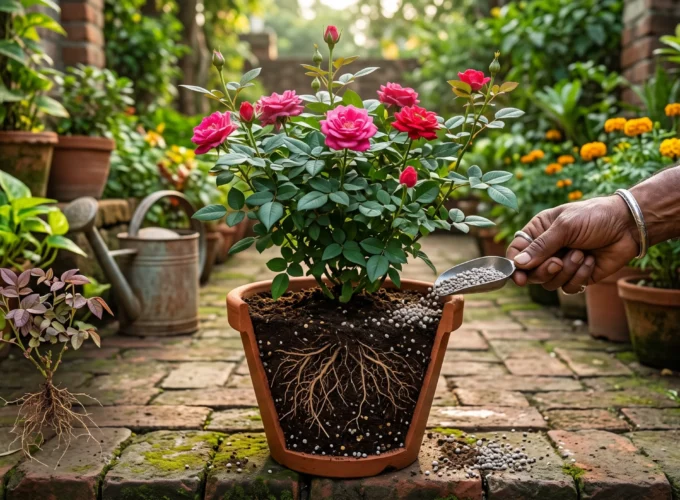
One of the most popular natural sources of phosphorus is Bone Meal Fertilizer.
3. Your Plant Isn’t Getting Enough Sunlight
Most flowering plants need at least 5–6 hours of direct sunlight every day.
Plants grown in heavy shade usually produce:
- Large leaves
- Long stems
- Fewer flowers
Common flowering plants that need plenty of sunlight include:
- Rose
- Hibiscus
- Bougainvillea
- Marigold
- Sunflower
If possible, move potted plants to a brighter location.
4. The Plant Is Still Too Young
Not every plant flowers immediately.
Many ornamental and fruiting plants spend their early months building:
- Roots
- Stems
- Branches
before they begin flowering.
Patience is important, especially with newly planted shrubs and saplings.
5. Poor Soil and Growing Media
Healthy flowers begin below the soil surface.
Compacted or nutrient-poor growing media can limit:
- Root growth
- Water absorption
- Nutrient availability
As a result, the plant struggles to produce flowers.
A healthy growing medium should provide:
- Good drainage
- Proper aeration
- Organic matter
- Moisture retention
6. Incorrect Watering
Both overwatering and underwatering can reduce flowering.
Overwatering
- Weakens roots
- Reduces oxygen
- Causes bud drop
Underwatering
- Stresses the plant
- Reduces flower production
- Causes flowers to dry before opening
Water only when the top layer of soil begins to dry.
7. Lack of Pruning
Many flowering plants bloom on new growth.
If old flowers and dead branches are never removed, plants spend energy maintaining old growth instead of producing new buds.
Regular pruning encourages:
- Fresh shoots
- Better airflow
- More flowering points
Deadheading faded flowers is another simple way to encourage continuous blooming.
How Bone Meal Helps Plants Produce More Flowers
Bone Meal is one of the most widely used organic fertilizers for flowering plants.
It is made from finely ground natural bones and is rich in:
- Phosphorus
- Calcium
Unlike quick-release chemical fertilizers, Bone Meal breaks down gradually, providing nutrients over time.
Benefits of Bone Meal Fertilizer
Encourages Flower Bud Formation
Phosphorus supports the development of healthy flower buds before blooming begins.
Promotes Strong Root Growth
Healthy roots absorb water and nutrients more efficiently, leading to stronger flowering plants.
Supports Fruit Development
After flowering, phosphorus also helps plants develop healthier fruits and seeds.
Improves Soil Health Naturally
As an organic fertilizer, Bone Meal contributes to long-term soil fertility instead of simply feeding the plant.
Which Plants Benefit Most from Bone Meal?
Bone Meal is especially useful for:
Flowering Plants
- Rose
- Hibiscus
- Jasmine
- Bougainvillea
- Marigold
Fruiting Vegetables
- Tomato
- Chilli
- Brinjal
- Capsicum
Fruit Trees
- Lemon
- Guava
- Pomegranate
Flower Bulbs
- Lily
- Gladiolus
- Tuberose
These plants often require higher phosphorus levels during flowering.
Other Natural Ways to Encourage More Flowers
Bone Meal works best when combined with good gardening practices.
Give Plants Enough Sunlight
Most flowering plants need bright, direct light.
Improve Soil Quality
Use compost and organic growing media to keep roots healthy.
Avoid Excess Nitrogen
Too much nitrogen encourages foliage instead of blooms.
Water Consistently
Maintain evenly moist soil without waterlogging.
Remove Spent Flowers
Deadheading encourages many plants to bloom again.
Common Mistakes That Reduce Flowering
Avoid these common gardening mistakes:
❌ Feeding only nitrogen-rich fertilizers
❌ Keeping flowering plants in deep shade
❌ Overwatering
❌ Ignoring soil quality
❌ Never pruning old growth
❌ Expecting instant flowering after fertilizing
Healthy flowering is the result of balanced plant care.
Frequently Asked Questions
Why is my plant growing leaves but no flowers?
Common reasons include excess nitrogen, low phosphorus, insufficient sunlight, poor soil, or incorrect watering.
Is Bone Meal good for flowering plants?
Yes. Bone Meal is rich in phosphorus, which supports flower bud development, root growth, and blooming.
How long does Bone Meal take to work?
Bone Meal is a slow-release organic fertilizer. Results are gradual as nutrients become available to the plant over time.
Can Bone Meal be used on potted plants?
Yes. It is suitable for flowering plants, vegetables, and fruit plants grown in containers when used as directed.
Will Bone Meal increase flowering immediately?
No. Bone Meal supports healthy flowering over time as part of a balanced plant care routine.
Final Thoughts
If your plants are producing lush green leaves but very few flowers, the issue is often a nutritional imbalance rather than poor plant health.
In many cases, plants receive enough nitrogen to grow foliage but lack the phosphorus needed for healthy flowering.
By combining:
✔ Adequate sunlight
✔ Healthy growing media
✔ Proper watering
✔ Regular pruning
✔ Organic phosphorus-rich fertilizers like Bone Meal
You can create the ideal conditions for stronger flowering and healthier plants.
Remember, beautiful blooms don’t happen overnight—they are the result of consistent care and balanced nutrition.
For premium gardening products and natural plant care solutions, visit https://shridharagreens.com/ and give your flowering plants the support they need to bloom beautifully throughout the year.