You water your plants regularly, give them sunlight, maybe even talk to them—and still… nothing. No new leaves, no visible growth, just the same slow, stuck plant.
If you’ve been wondering, “Why are my plants not growing?”—you’re not alone. This is one of the most common questions among home gardeners.
The truth is, plant growth depends on a few key factors. If even one of them is off, your plant can struggle.
Let’s walk through the 7 most common reasons your plants are not growing—and simple fixes you can apply immediately.
Why Are My Plants Not Growing Even After Regular Watering?
This is a surprisingly common issue.
Many people assume watering = healthy plants. But overwatering or underwatering can both slow growth.
Signs of watering issues:
- Yellow leaves (overwatering)
- Dry, crispy leaves (underwatering)
- Soil always soggy or completely dry
Easy Fix:
- Check soil before watering
- Water only when the top 1–2 inches feel dry
- Ensure pots have proper drainage
Is Lack of Sunlight the Reason My Plants Are Not Growing?
Plants need sunlight for photosynthesis—without it, growth slows down.
Signs of low light:
- Leggy (stretched) growth
- Pale or small leaves
- No new growth
Easy Fix:
- Move plants to a brighter location
- Ensure 4–6 hours of sunlight (depending on plant type)
- Use grow lights for indoor plants if needed
Are My Plants Not Growing Because of Poor Soil Quality?
Soil is the foundation of plant health. If it lacks nutrients, plants won’t grow properly.
Common soil issues:
- Hard, compact soil
- Poor drainage
- Lack of nutrients
Easy Fix:
- Add organic compost or vermicompost
- Use quality products from trusted brands like Shridhara Greens
- Repot plants with fresh, nutrient-rich soil
Do Plants Stop Growing Due to Nutrient Deficiency?
Yes—and it’s a major reason.
Plants need nutrients like:
- Nitrogen (for leaves)
- Phosphorus (for roots)
- Potassium (for overall health)
Signs of deficiency:
- Yellowing leaves
- Weak stems
- Slow or no growth
Easy Fix:
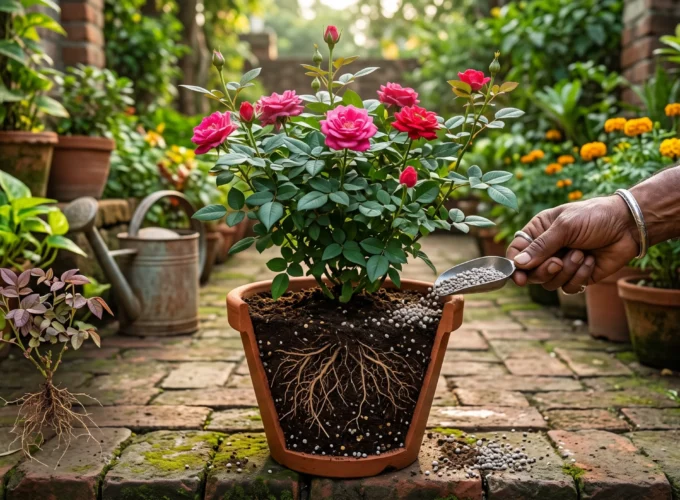
- Use balanced organic fertilizers
- Add supplements like compost or natural fertilizers
- Feed plants every 2–4 weeks
Can Overcrowding Affect Plant Growth?
Absolutely.
If roots don’t have enough space, plants can’t grow properly.
Signs:
- Roots coming out of drainage holes
- Stunted growth
- Soil dries out too quickly
Easy Fix:
- Repot into a larger container
- Space plants properly in garden beds
Why Are My Plants Not Growing After Repotting?
Repotting stress is real.
After moving to a new pot, plants may pause growth temporarily.
What happens:
- Roots adjust to new soil
- The plant focuses on recovery
Easy Fix:
- Don’t overwater after repotting
- Keep the plant in indirect sunlight for a few days
- Be patient—growth resumes in 1–2 weeks
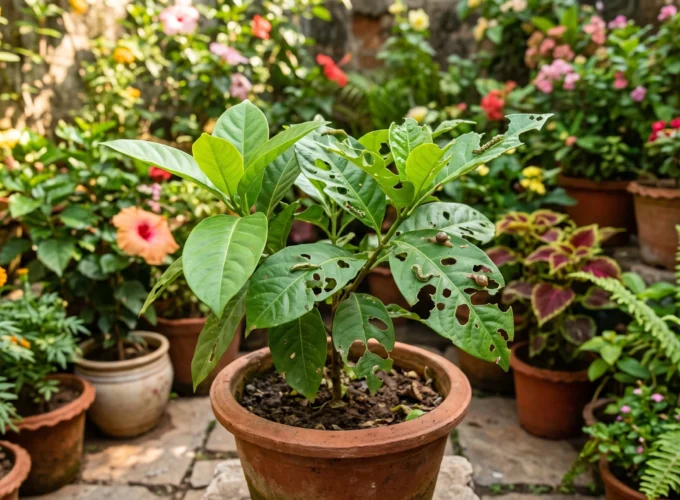
Are Pests or Diseases Slowing Down Plant Growth?
Sometimes the issue isn’t visible at first.
Look for:
- Tiny insects under leaves
- Sticky residue
- Holes in leaves
Easy Fix:
- Use neem oil spray
- Remove affected leaves
- Keep plants clean and well-ventilated
Why Are Indoor Plants Not Growing Properly?
Indoor plants face unique challenges.
Common reasons:
- Low light
- Poor air circulation
- Inconsistent watering
Easy Fix:
- Place near windows
- Rotate plants weekly
- Maintain a consistent care routine
How Long Does It Take for Plants to Start Growing Again?
This depends on the issue.
After fixing the problem:
- Minor issues: 1–2 weeks
- Nutrient-related: 2–3 weeks
- Repotting stress: up to 2 weeks
Consistency is key—plants take time to respond.
What Is the Fastest Way to Boost Plant Growth at Home?
If you want quicker improvement:
- Improve soil quality
- Use organic fertilizers
- Ensure proper sunlight
- Maintain watering balance
Combining these steps gives the best results.
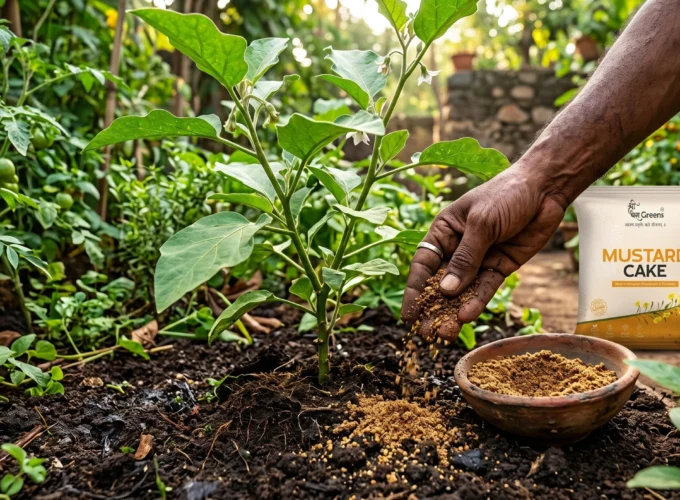
Can Organic Fertilizers Really Improve Plant Growth?
Yes—and in a sustainable way.
Organic fertilizers:
- Improve soil health
- Provide slow-release nutrients
- Support long-term growth
Products from Shridhara Greens are designed to enhance soil fertility naturally, helping plants grow stronger over time.
Why Healthy Soil Is the Secret Behind Growing Plants
Many gardeners focus on watering and sunlight—but soil health is often the real issue.
Healthy soil:
- Holds nutrients
- Supports roots
- Improves water retention
👉 Without good soil, plants struggle no matter what you do.
Turn Slow-Growing Plants Into Thriving Greens with the Right Fix
If your plants are not growing, don’t worry—it’s usually fixable.
Instead of guessing, focus on:
- Proper watering
- Adequate sunlight
- Nutrient-rich soil
- Regular care
Small changes can make a big difference.
Once you fix the root cause, your plants will not just grow—they’ll thrive.