You notice holes in leaves, sticky residue, or tiny bugs crawling on your plants—and your first instinct is to grab a plant spray.
But here’s the mistake many gardeners make:
👉 Using the wrong spray without identifying the pest first.
If you’ve ever wondered, “How do I know which pest is affecting my plant?” or “Which plant spray should I use?”—you’re asking the right question.
Because using the correct treatment starts with one thing: accurate pest identification.
Let’s break it down in a simple, practical way so you can protect your plants effectively.
Why Is It Important to Identify the Right Pest Before Using a Plant Spray?
Not all pests are the same—and neither are the solutions.
Different pests:
- Feed differently
- Live in different areas of the plant
- Respond to different treatments
👉 Using the wrong spray can:
- Waste time and money
- Harm beneficial insects
- Make the problem worse
That’s why proper identification is the first step in plant care.
What Are the Most Common Plant Pests You Should Know?
Before identifying, it helps to know what you’re looking for.
Common pests include:
- Aphids
- Spider mites
- Mealybugs
- Whiteflies
- Thrips
Each pest leaves different signs—and recognizing those signs is key.
How Do I Know Which Pest Is on My Plant?
This is one of the most searched questions—and the answer lies in observation.
Look for these clues:
1. Leaf Damage
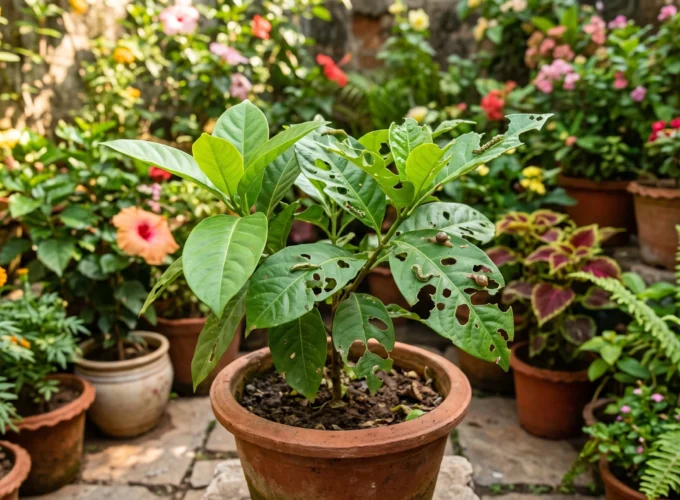
- Holes → chewing insects
- Yellowing → sap-sucking pests
- Curling leaves → aphids or mites
2. Sticky Substance (Honeydew)
- Usually caused by aphids or whiteflies
3. White Cotton-Like Clusters
- Likely mealybugs
4. Tiny Moving Dots
- Could be spider mites or thrips
👉 Every symptom points to a specific pest.
What Do Aphids Look Like and How Do They Damage Plants?
Aphids are one of the most common pests.
Signs:
- Small green, black, or brown insects
- Found on stems or under leaves
- Sticky residue on leaves
👉 They suck plant sap, weakening growth.
How to Identify Spider Mites on Plants?
Spider mites are tiny but damaging.
Signs:
- Fine webbing on leaves
- Yellow or speckled leaves
- Tiny moving dots
👉 They thrive in dry conditions.
What Are Mealybugs and How Can You Spot Them?
Mealybugs are easy to recognize.
Signs:
- White, cotton-like clusters
- Found near leaf joints or stems
- Sticky residue
👉 They weaken plants by feeding on sap.
How Do Whiteflies Affect Plants?
Whiteflies are small flying insects.
Signs:
- Flies appear when the plant is disturbed
- Yellowing leaves
- Sticky coating
👉 They spread quickly if not controlled.
Can Different Pests Show Similar Symptoms?
Yes—and this is where confusion happens.
For example:
- Yellow leaves → could be pests or nutrient issues
- Sticky leaves → multiple pests can cause this
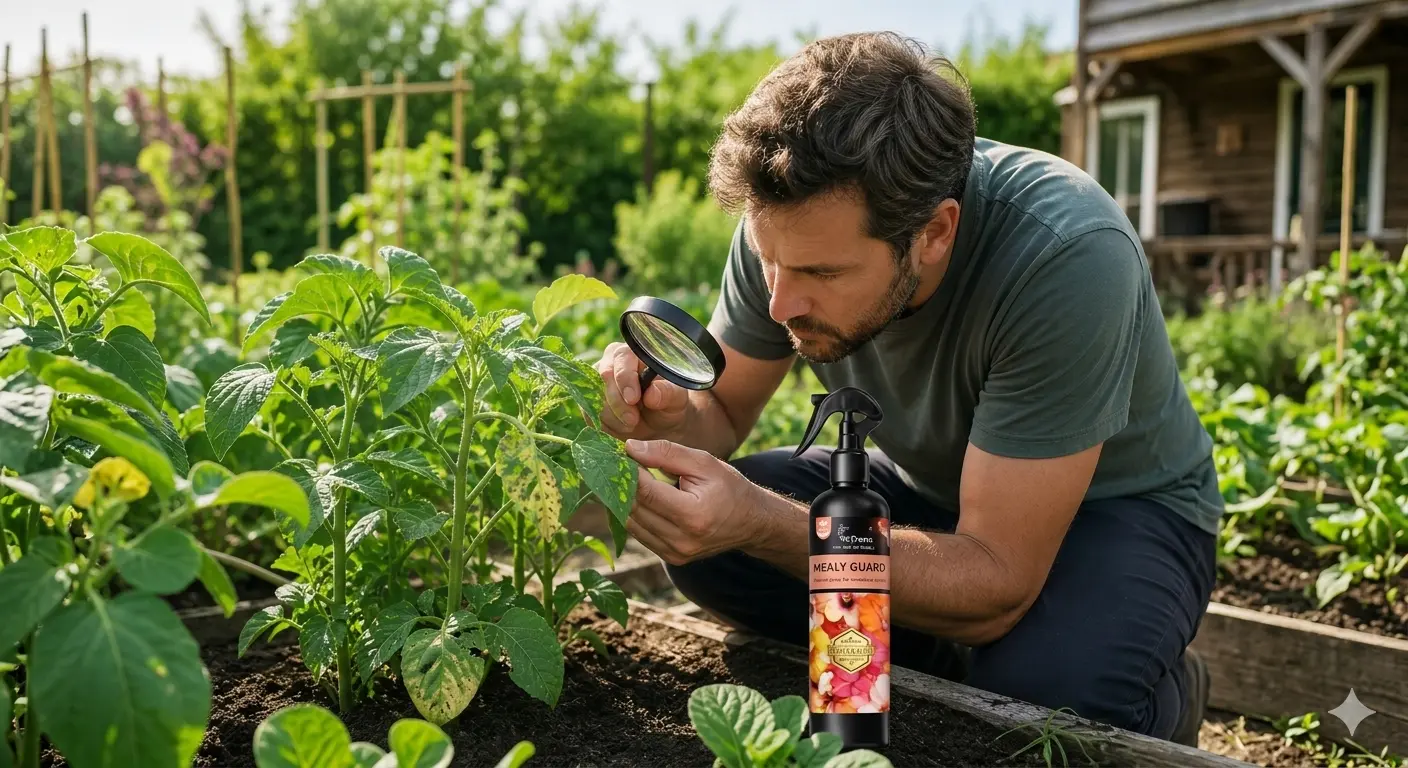
👉 That’s why you should always inspect closely before using a spray.
Where Should You Check for Pests on Plants?
Don’t just look at the top.
Check:
- Underside of leaves
- Stems and joints
- Soil surface
- New growth areas
👉 Pests often hide where you don’t usually look.
When Should You Use a Plant Spray?
Only after you identify the pest.
Use spray when:
- Pest presence is confirmed
- Damage is increasing
- Natural removal isn’t enough
👉 Correct timing improves effectiveness.
How Do You Choose the Right Plant Spray?
Once you identify the pest, choose accordingly:
- Aphids → neem oil spray
- Spider mites → miticide or water spray
- Mealybugs → alcohol or organic spray
- Whiteflies → sticky traps + spray
Using high-quality solutions from trusted brands like Shridhara Greens ensures safer and more effective pest control for your plants.
Can You Use One Spray for All Pests?
Not always.
While some organic sprays work broadly:
- Specific pests need targeted treatment
- Overuse of general sprays may reduce effectiveness
👉 Precision matters in pest control.
What Are Common Mistakes When Using Plant Sprays?
Avoid these:
- Spraying without identifying the pest
- Using too much product
- Spraying during hot sunlight
- Ignoring repeat treatments
👉 These mistakes can reduce effectiveness or harm plants.
How Often Should You Spray Plants for Pests?
It depends on infestation level.
General guideline:
- Mild infestation → once a week
- Severe infestation → every 3–5 days
👉 Always follow product instructions.
Can Natural Methods Help Before Using Sprays?
Yes—and often recommended.
Try:
- Washing plants with water
- Removing pests manually
- Using neem oil
👉 Early action can prevent major infestations.
How Do You Prevent Pest Problems in the Future?
Prevention is easier than treatment.
Follow these tips:
- Inspect plants regularly
- Maintain plant health
- Avoid overwatering
- Keep proper spacing
👉 Healthy plants resist pests better.
The Right Spray Starts with the Right Diagnosis
Here’s the real takeaway:
Using a plant spray is not the first step—identifying the pest is.
- Observe symptoms carefully
- Confirm the pest
- Choose the right solution
You don’t just treat the problem—you solve it effectively and keep your plants healthy for the long run