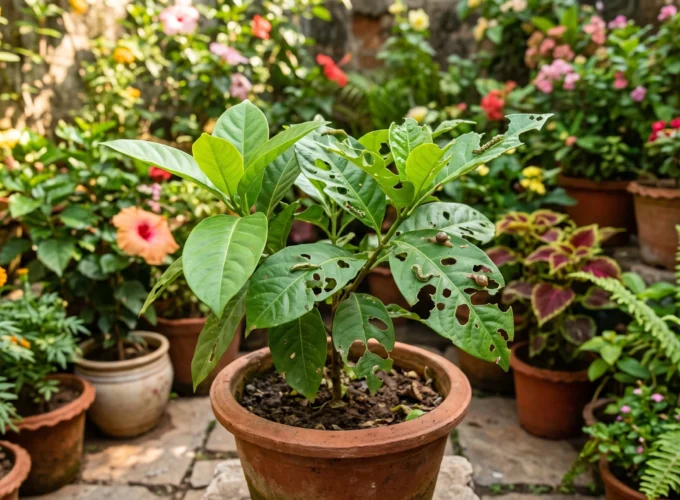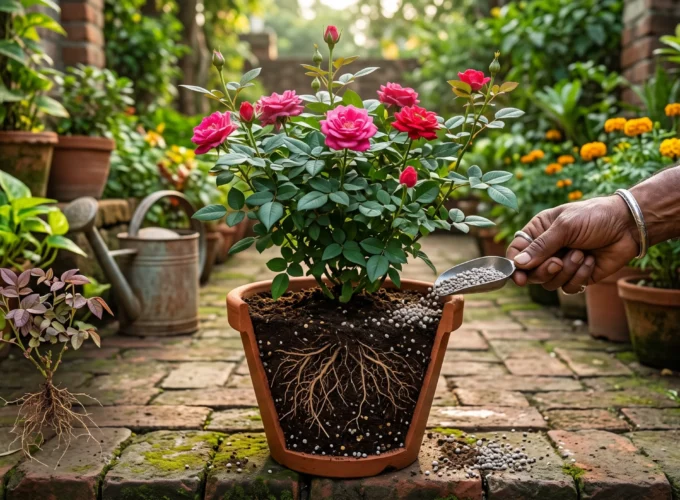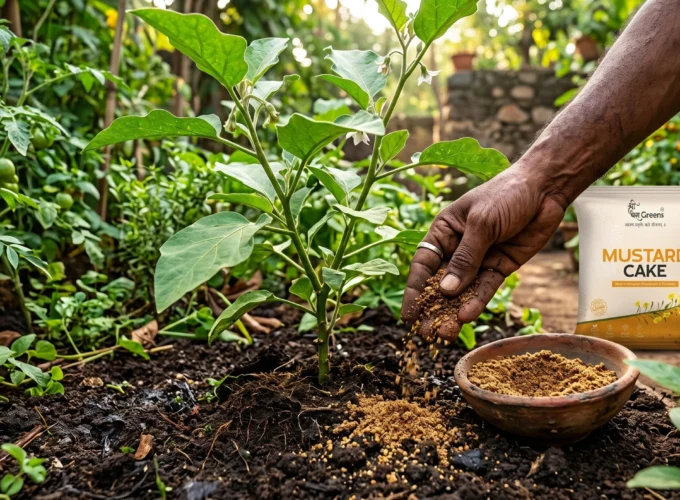
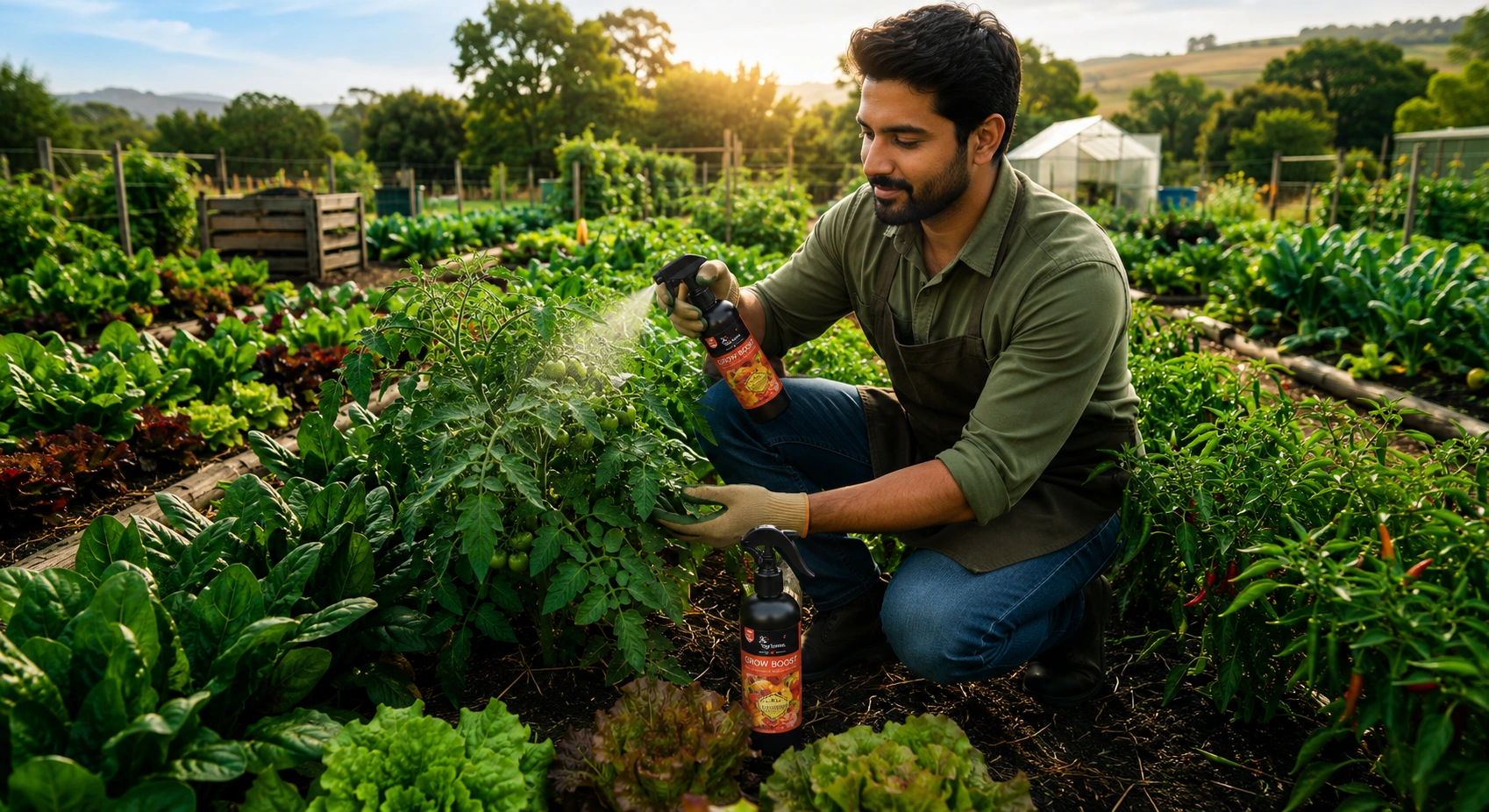
As organic gardening and home food cultivation continue growing across India, more people are now growing vegetables, herbs, and fruits at home. Terrace gardens, balcony vegetable setups, grow bags, and kitchen gardens have become increasingly common in urban homes.a
At the same time, plant growth promoters have also gained popularity among gardeners because they help improve:
- Plant growth
- Flowering
- Fruiting
- Root development
- Crop health
But many gardeners still hesitate before using them on edible plants.
One important question often comes up:
Are plant growth promoters safe for edible plants?
The answer depends mainly on:
- The type of plant growth promoter
- Its ingredients
- Application method
- Usage quantity
- Product quality
In general, high-quality organic or bio-based plant growth promoters are considered safe for edible plants when used properly according to instructions.
However, not all products available in the market are the same. Understanding what plant growth promoters are and how they work is extremely important before applying them to vegetables, herbs, or fruit plants.
In this detailed guide, we will explain:
- What plant growth promoters are
- Whether they are safe for edible crops
- Types of plant growth promoters
- Organic vs synthetic formulations
- Best practices for safe usage
- Common mistakes gardeners should avoid
What Are Plant Growth Promoters?
Plant growth promoters are substances that help stimulate natural plant growth and improve biological processes inside plants.
Unlike traditional fertilizers that mainly supply nutrients, plant growth promoters help plants:
- Absorb nutrients better
- Grow stronger roots
- Improve flowering
- Increase fruiting
- Tolerate stress
- Improve overall plant performance
Plant growth promoters may contain:
- Seaweed extracts
- Humic acid
- Fulvic acid
- Amino acids
- Plant hormones
- Micronutrients
- Bio-stimulants
- Beneficial microbial compounds
Modern gardening products often combine several growth-supporting ingredients together.
For premium gardening solutions, you can explore Shridhara Greens and browse the specialized Plant Growth Promoters Collection.
Are Plant Growth Promoters Safe for Vegetables and Fruit Plants?
Yes — many plant growth promoters are safe for edible plants when:
- The product is high quality
- Ingredients are plant-safe
- Usage instructions are followed correctly
- Recommended dosage is maintained
In fact, many gardeners and farmers use plant growth promoters regularly for:
- Tomatoes
- Chili plants
- Leafy vegetables
- Herbs
- Fruit plants
- Cucumbers
- Brinjal
- Kitchen garden crops
The key is choosing suitable products and using them responsibly.
Why Plant Growth Promoters Are Used on Edible Plants
Edible plants often require additional support during:
- Flowering
- Fruiting
- Stress periods
- Nutrient deficiency
- Transplantation
- Seasonal changes
Plant growth promoters help improve:
- Flower retention
- Fruit set
- Root strength
- Nutrient absorption
- Plant immunity
This can improve both plant health and harvest quality.
Organic Plant Growth Promoters vs Synthetic Growth Promoters
Understanding this difference is very important.
Organic Plant Growth Promoters
Organic or bio-based plant growth promoters are usually made from natural sources such as:
- Seaweed extracts
- Humic acid
- Fulvic acid
- Amino acids
- Microbial formulations
- Botanical extracts
These are generally considered safer for edible gardening.
Benefits include:
- Eco-friendly gardening
- Better soil health
- Lower toxicity risk
- Improved microbial activity
Organic formulations are highly preferred for:
- Kitchen gardens
- Terrace gardening
- Organic farming
- Home vegetable cultivation
Synthetic Plant Growth Promoters
Some synthetic growth promoters contain artificially formulated hormones or chemical compounds.
While many are approved for agricultural use, improper or excessive use may create concerns regarding:
- Overapplication
- Residue buildup
- Plant stress
- Misuse
This is why home gardeners usually prefer organic or bio-based growth promoters.
Common Safe Ingredients in Plant Growth Promoters
Seaweed Extract
Seaweed is one of the safest and most widely used plant growth promoters.
Benefits include:
- Better flowering
- Improved fruiting
- Stress tolerance
- Enhanced root growth
Seaweed formulations are commonly used for vegetables and fruit plants.
Humic Acid
Humic acid improves:
- Nutrient absorption
- Soil structure
- Root development
It is considered safe when used correctly.
Amino Acids
Amino acids support plant metabolism naturally and help plants recover from stress.
Fulvic Acid
Fulvic acid helps transport nutrients within plants more efficiently.
Bio-Stimulants
Bio-stimulants support natural plant activity and improve overall plant vigor.
Which Edible Plants Commonly Benefit from Growth Promoters?
Plant growth promoters are widely used for:
Vegetable Plants
- Tomato
- Chili
- Brinjal
- Cucumber
- Capsicum
- Spinach
- Coriander
Fruit Plants
- Lemon
- Guava
- Pomegranate
- Papaya
- Mango
Herbs
- Mint
- Tulsi
- Basil
- Curry leaves
How to Use Plant Growth Promoters Safely on Edible Plants
Follow Recommended Dosage
Overuse does not improve results.
Excess application may stress plants instead of helping them.
Choose Trusted Gardening Brands
Always purchase plant growth promoters from reliable gardening stores.
High-quality products provide:
- Clear instructions
- Safer formulations
- Better ingredient transparency
Wash Produce Before Consumption
As with any gardening product, washing vegetables and fruits before eating is always recommended.
Avoid Excessive Spraying
Over-spraying may create unnecessary stress on plant foliage.
Apply at Correct Growth Stages
Most growth promoters work best during:
- Vegetative growth
- Pre-flowering stage
- Fruiting stage
Common Myths About Plant Growth Promoters
“All Growth Promoters Are Harmful Chemicals”
This is not true.
Many growth promoters are organic, plant-based, and widely used in natural farming.
“Growth Promoters Replace Fertilizers”
Growth promoters support plant processes but do not completely replace balanced nutrition.
“More Product Gives Faster Results”
Overapplication may damage plants instead of improving growth.
Balanced usage is essential.
Benefits of Plant Growth Promoters for Edible Gardening
Better Flowering and Fruiting
Growth promoters support flower development and fruit setting.
Stronger Root Systems
Healthy roots improve water and nutrient uptake.
Improved Stress Resistance
Plants become more resilient during:
- Heat
- Humidity
- Transplant shock
- Seasonal changes
Healthier Plant Growth
Plants often show:
- Greener leaves
- Better vigor
- Improved productivity
Reduced Flower Drop
Many edible plants drop flowers during stress.
Growth promoters may help improve flower retention.
Why Indian Gardeners Are Using Plant Growth Promoters More Frequently
Urban gardening in India is growing rapidly.
Gardeners now want:
- Better yields
- Faster growth
- Organic gardening support
- Healthier vegetables
- Terrace garden productivity
Plant growth promoters help support these goals naturally when used responsibly.
Signs You Are Using a Good Plant Growth Promoter
High-quality products usually improve:
- Leaf color
- Flower count
- Root strength
- Fruit quality
- Overall plant vigor
Results are generally gradual and healthy — not unnatural or excessively rapid.
How to Identify Safe Plant Growth Promoters Online
Before buying online, check:
- Ingredient transparency
- Organic certifications
- Usage instructions
- Brand reputation
- Customer reviews
Trusted gardening brands usually provide safer and more reliable products.
Explore plant-safe gardening solutions at Shridhara Greens Plant Growth Promoters Collection.
Frequently Asked Questions
Are plant growth promoters safe for vegetables?
Yes, many organic and bio-based plant growth promoters are safe for vegetables when used correctly.
Can plant growth promoters be used in kitchen gardens?
Yes. Plant growth promoters are commonly used in terrace gardens and home vegetable gardens.
Are organic plant growth promoters better for edible plants?
Organic growth promoters are generally preferred because they support natural gardening practices and reduce chemical concerns.
Do plant growth promoters increase fruit yield?
Yes, they may improve flowering, fruit setting, and overall plant productivity.
Can I use growth promoters on herbs?
Yes. Herbs like mint, basil, coriander, and tulsi can benefit from proper growth promoter usage.
Final Thoughts
So, are plant growth promoters safe for edible plants?
Yes — when you choose high-quality products and use them responsibly.
Organic and bio-based plant growth promoters can safely support healthier vegetables, herbs, and fruit plants by improving root development, nutrient absorption, flowering, and fruiting naturally.
The key is understanding the product ingredients, following recommended dosage, and purchasing from trusted gardening brands.
For Indian home gardeners, terrace gardeners, and organic growers, plant growth promoters have become valuable tools for improving edible gardening results safely and naturally.
If you are looking for trusted plant growth promoters, organic gardening products, and plant care solutions for healthier edible plants, visit Shridhara Greens and explore the specialized Plant Growth Promoters Collection for naturally healthier gardening success.