
Plant viruses are among the most frustrating problems gardeners face. Unlike pests or nutrient deficiencies, viral infections are difficult to control once plants become severely infected.
This leads many gardeners to ask:
Which is the best anti-virus for plants?
The answer is not simply about choosing the strongest spray.
Plant virus management depends on:
- Early detection
- Proper plant care
- Preventing spread
- Using suitable plant virus protection products
- Maintaining healthy growing conditions
The best anti-virus solution is usually one that helps protect plants early and reduces viral spread, rather than waiting for severe damage.
In this guide, you will learn:
- What plant viruses are
- Common virus symptoms
- How plant anti-virus sprays work
- Best virus prevention methods
- How to protect indoor, vegetable, and garden plants
For plant protection solutions and gardening products, visit Shridhara Greens and explore the specialized Virus Guard Spray Collection.
What Are Plant Viruses?
Plant viruses are microscopic infectious agents that affect normal plant growth.
Unlike fungal or bacterial problems, plant viruses interfere with the plant’s internal system.
Viruses may spread through:
- Insect vectors
- Infected tools
- Plant contact
- Contaminated soil
- Human handling
Once inside the plant, viruses may weaken growth and reduce productivity.
Common Signs of Viral Infection in Plants
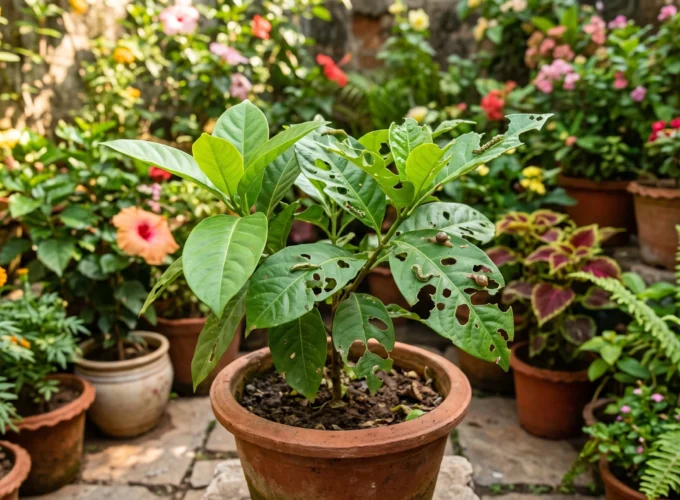
Plant virus symptoms often resemble other plant problems.
Common warning signs include:
Yellow Mosaic Patterns
Leaves may develop:
- Yellow patches
- Uneven coloration
- Mosaic-like patterns
Leaf Curling and Distortion
Virus infections may cause:
- Curled leaves
- Twisted foliage
- Abnormal growth
Stunted Growth
Plants may become:
- Weak
- Slow-growing
- Smaller than normal
Poor Flowering or Fruiting
Virus-affected plants often produce:
- Fewer flowers
- Smaller fruits
- Reduced yield
Unusual Leaf Shapes
Distorted or irregular leaves may appear.
Proper diagnosis is important because nutrient deficiency or pests may show similar symptoms.
Why Plant Viruses Are Difficult to Treat
This is where many gardeners become confused.
Unlike pests that can be directly killed, viruses live inside plant tissues.
This means:
Severe viral infections are often harder to cure completely.
That is why prevention becomes extremely important.
The goal is usually:
- Reduce spread
- Protect healthy plants
- Support plant immunity
- Manage infection pressure
Which Is the Best Anti-Virus for Plants?
The best plant anti-virus approach usually combines:
1. Virus Protection Sprays
Virus guard sprays and plant protection formulations help support plant defense and reduce infection spread.
These products are commonly used in:
- Vegetable gardens
- Terrace gardens
- Nurseries
- Fruit cultivation
- Flower gardening
2. Healthy Plant Care
Healthy plants often tolerate stress better.
Focus on:
- Proper watering
- Balanced nutrition
- Good drainage
- Adequate sunlight
3. Vector Control
Many plant viruses spread through insects such as:
- Aphids
- Whiteflies
- Thrips
Controlling these insects is often part of virus management.
How Virus Guard Spray Helps Plants
Plant virus protection sprays are designed to support healthier plants and help manage virus-related stress.
They may help by:
- Supporting plant defense systems
- Reducing viral spread risk
- Protecting new growth
- Supporting healthier foliage
These sprays work best as preventive plant protection tools.
Explore plant protection solutions at Shridhara Greens Virus Guard Spray Collection.
Which Plants Commonly Face Viral Problems?
Viruses may affect many plants.
Vegetable Plants
Common examples include:
- Tomato
- Chili
- Cucumber
- Brinjal
Vegetable crops frequently face virus transmission through insects.
Fruit Plants
Some fruit crops may show viral stress through poor growth and reduced production.
Flowering Plants
Virus symptoms may affect:
- Rose
- Marigold
- Ornamentals
Terrace and Container Gardens
Close plant spacing sometimes increases disease spread.
How to Protect Plants from Viruses
Virus prevention is usually easier than treatment.
Control Insect Vectors
Because insects spread viruses, managing pest populations becomes important.
Monitor regularly for:
- Whiteflies
- Aphids
- Thrips
Remove Severely Infected Plant Parts
Infected foliage may contribute to the spread.
Prune carefully when necessary.
Maintain Garden Hygiene
Clean tools and containers help reduce contamination.
Avoid Overcrowding
Better airflow supports healthier plants.
Use Balanced Fertilization
Healthy plants resist stress better.
Common Mistakes Gardeners Make
Ignoring Early Symptoms
Early warning signs are often missed.
Confusing Virus with Nutrient Deficiency
Yellow leaves do not always mean fertilizer problems.
Treating Too Late
Advanced infections become harder to manage.
Ignoring Pest Control
Vector insects play a major role in virus spread.
Expecting Instant Cure
Plant virus management focuses more on protection and prevention.
Anti-Virus Spray vs Pesticide
Many gardeners assume both are the same.
They are not.
| Anti-Virus Plant Spray | Pesticide |
| Supports virus management | Targets pests |
| Helps protect plant health | Kills insects |
| Used for viral stress | Used for infestations |
Sometimes, both approaches work together.
Why Virus Prevention Matters in Indian Gardening
Indian climates often support:
- Warm temperatures
- Insect activity
- Rapid disease spread
This makes preventive plant care important for:
- Terrace gardens
- Vegetable gardens
- Nursery plants
- Indoor collections
Early plant protection improves success.
Frequently Asked Questions
What is the best anti-virus for plants?
The best approach combines virus protection sprays, insect management, and healthy plant care.
Can plant viruses be cured completely?
Severe viral infections may be difficult to cure fully, which is why prevention becomes important.
How do plants get viral diseases?
Viruses often spread through insects, contaminated tools, and infected plant material.
Which insects spread plant viruses?
Aphids, whiteflies, and thrips are common virus carriers.
Is Virus Guard Spray useful for plants?
Virus protection sprays are commonly used to support plant defense and reduce viral stress.
Final Thoughts
So, which is the best anti-virus for plants?
The most effective solution is usually early protection rather than late treatment.
Plant virus management depends on:
- Early diagnosis
- Healthy plant care
- Pest control
- Virus protection sprays
- Preventive gardening practices
For Indian gardeners, protecting plants before severe infection develops often delivers the best results.
For trusted plant virus protection products and gardening solutions, visit Shridhara Greens and explore the premium Virus Guard Spray Collection for healthier and better-protected plants.