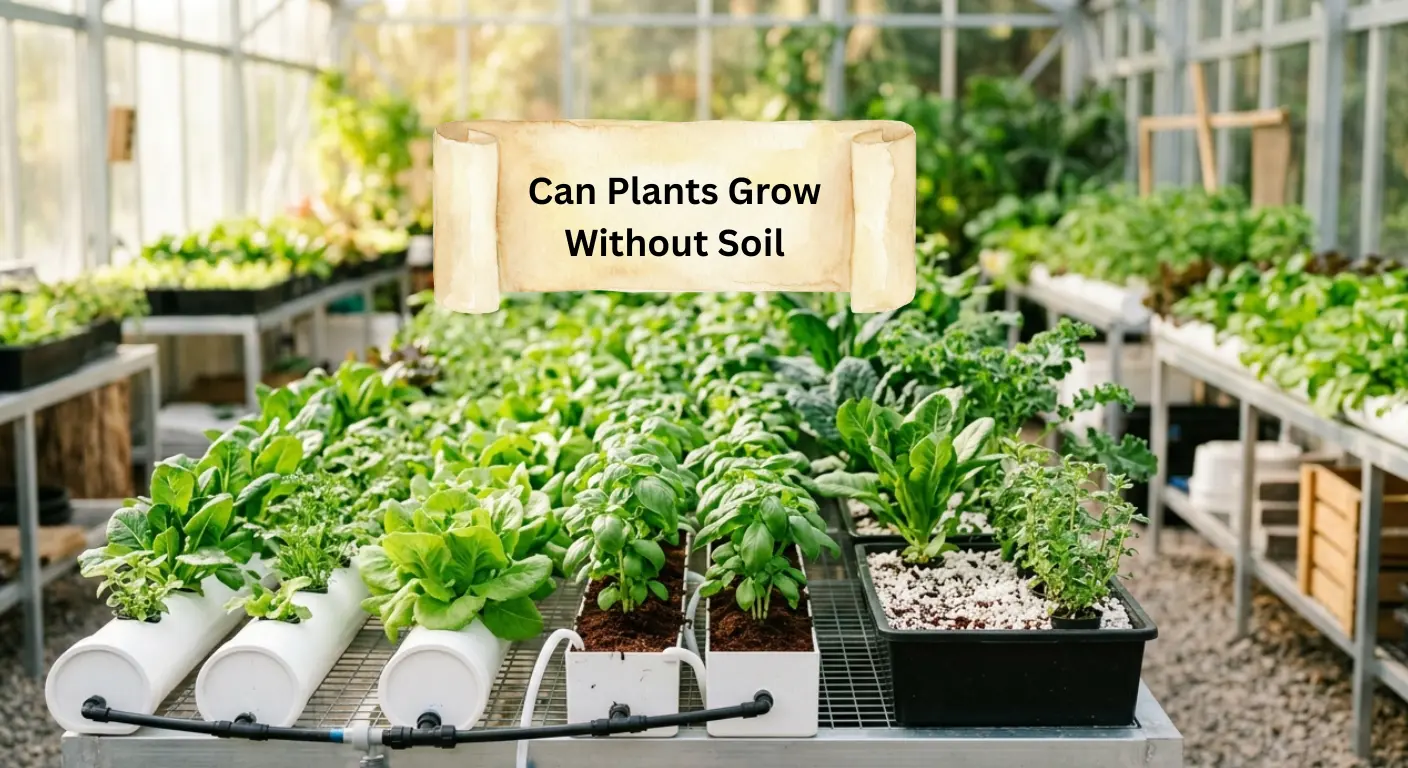
If you’ve ever wondered, “Can plants grow without soil?”, you’re already thinking like a modern gardener.
The truth is simple: plants don’t actually need soil—they need the right environment.
And that environment can be created using the right growing media.
With more people moving towards indoor gardening, terrace setups, and space-saving solutions, soil-free growing is no longer a trend—it’s becoming the smarter way to grow plants.
Let’s break it down in a way that actually makes sense.
Can Plants Really Grow Without Soil?
Yes, plants can grow completely without soil.
What they truly need is:
- Nutrients
- Water
- Oxygen
- Support for roots
Soil traditionally provides these elements—but it’s not the only way. Growing media can do the same job, often more efficiently.
That’s why methods like hydroponics and soilless gardening are gaining popularity among both beginners and experienced gardeners.
If There’s No Soil, How Do Plants Get Nutrients?
This is one of the most searched questions—and the answer is surprisingly simple.
In soil-free gardening:
- Nutrients are added through water-soluble fertilizers
- Roots absorb nutrients directly
- The growing medium only supports the plant—it doesn’t feed it
This gives you better control over what your plant receives, often leading to healthier, faster growth.
What Is Growing Media and Why Is It Important?
Growing media (or grow medium) is the material used in place of soil to anchor plant roots.
Its role is to:
- Hold moisture
- Allow airflow
- Support root development
- Prevent compaction
A good growing medium creates the perfect balance between water retention and aeration, which is essential for healthy root systems.
What Are the Best Growing Media for Plants?
If you’ve searched “best growing media for plants online”, here are the most effective options you’ll come across:
Coco Peat – The Most Widely Used Option
- Made from coconut husk
- Excellent water retention
- Lightweight and eco-friendly
Ideal for: Indoor plants, seedlings, and general gardening
Perlite – Improves Airflow
- Lightweight and porous
- Prevents root suffocation
- Reduces risk of overwatering
Best used as a mix with other media
Vermiculite – Holds Moisture and Nutrients
- Retains water effectively
- Supports seed germination
- Helps in early plant growth
LECA (Clay Balls) – Clean and Modern Growing
- Excellent drainage
- Reusable and low-maintenance
- Ideal for semi-hydro setups
Rockwool – Used in Controlled Systems
- Highly absorbent
- Sterile and consistent
- Common in hydroponics
Which Growing Media Is Best for Indoor Plants?
If you’re asking, “What is the best growing medium for indoor plants?”, the answer depends on balance.
Indoor plants need:
- Moisture retention
- Proper drainage
- Good airflow
A simple and effective mix:
- Coco peat + perlite → Balanced and beginner-friendly
- LECA → Ideal for low-maintenance setups
- Vermiculite → For plants that need consistent moisture
Avoid dense or heavy materials that can block oxygen flow to roots.
Is Hydroponics Better Than Soil Gardening?
Hydroponics is often compared with traditional gardening—and for good reason.
Benefits of hydroponics:
- Faster plant growth
- Better nutrient control
- Fewer soil-related pests
- Efficient use of space
Things to consider:
- Requires setup and monitoring
- Needs consistent nutrient management
For beginners, starting with growing media is often easier before moving into full hydroponic systems.
How to Choose the Right Growing Media Online?
If you’re browsing online and feeling confused, here’s a simple way to decide.
Understand Your Plant Type
- Succulents → Need well-draining media
- Leafy plants → Need moisture retention
- Flowering plants → Need a balanced mix
Don’t Rely on a Single Medium
Most plants grow better in combinations rather than one material.
A reliable mix:
- 60% coco peat
- 20% perlite
- 20% vermiculite
Check for Quality and Consistency
Make sure the media is:
- Clean and well-processed
- Free from dust and contaminants
- Properly packaged
Choose a Source That Simplifies Your Decision
Instead of experimenting randomly, it helps to explore options that are already curated for plant health. That’s where Shridhara Greens makes selection easier by offering growing media suited for different plant needs.
Can All Plants Grow Without Soil?
Almost all plants can grow without soil, but some are easier to start with.
Beginner-Friendly Plants:
- Money plant
- Spider plant
- Basil and mint
- Lettuce
Slightly Advanced:
- Tomatoes
- Strawberries
- Peppers
Starting simple helps you understand how growing media behaves before moving to more demanding plants.
Do Plants Grow Faster Without Soil?
Yes—when done correctly.
Plants often grow faster in growing media because:
- Nutrients are directly available
- Roots receive more oxygen
- There’s no competition from weeds
This leads to quicker growth and healthier plants.
What Mistakes Should You Avoid in Soilless Gardening?
Even though it’s simple, a few mistakes can affect results:
- Overwatering (common with coco peat)
- Not adding nutrients regularly
- Using the wrong media for the plant
- Ignoring drainage
Consistency matters more than complexity.
Why More Gardeners Are Moving Towards Growing Media
Soilless gardening is becoming popular for a reason:
- Cleaner indoor setups
- Lightweight and easy to handle
- Better control over plant health
- Reduced pest and disease issues
It’s especially useful for urban gardening, where space and soil quality can be limiting factors.
Grow Smarter with the Right Foundation 🌱
Plants don’t depend on soil—they depend on how well their environment is managed.
Once you understand growing media, everything becomes easier:
- Healthier roots
- Faster growth
- Cleaner gardening experience
Instead of relying on traditional methods, focus on creating the right foundation for your plants. With well-structured growing solutions available through Shridhara Greens, building that foundation becomes simple, even if you’re just starting out.
👉 Because better roots always lead to better growth.