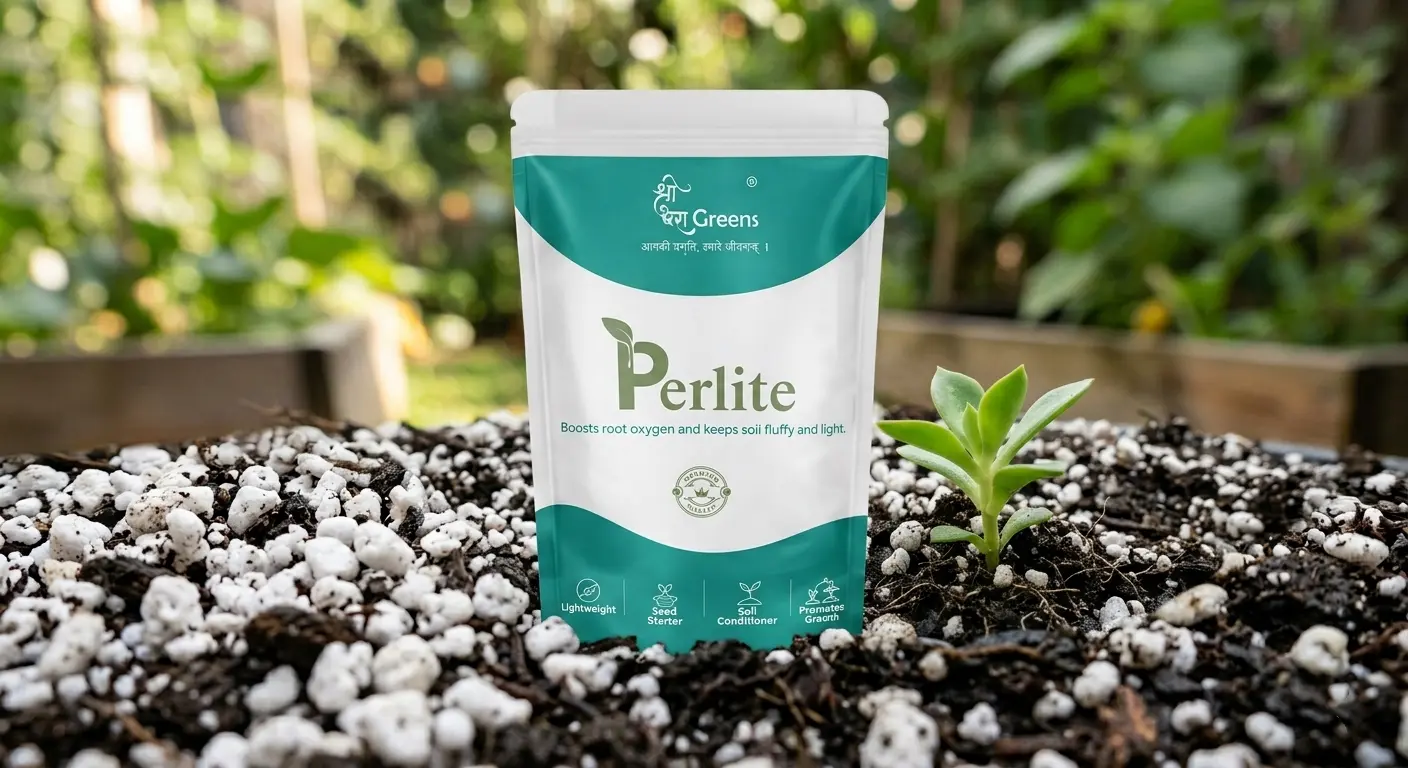
If you’ve ever noticed small white, lightweight particles in potting soil and wondered “what is this and why is it added?”, you’re looking at perlite.
And if you’re searching “what isperlite potting soil made from?” or “is perlite good for plants?”, you’re in the right place.
Perlite might look simple, but it plays a powerful role in improving plant health—especially in modern gardening.
Let’s break it down in the simplest way possible.
What Is Perlite and What Is It Made From?
Perlite is a natural volcanic glass that is heated at very high temperatures.
When heated, it expands—almost like popcorn—forming those lightweight white granules you see in potting mixes.
In simple terms:
- Raw material → Volcanic rock
- Process → Heated and expanded
- Result → Lightweight, porous white particles
These particles are what make potting soil lighter, airier, and more effective for plant growth.
Why Is Perlite Added to Potting Soil?
If you’ve ever asked, “Why is perlite used in soil?”, here’s the real reason:
Perlite improves the structure of the soil, not the nutrients.
Key benefits:
- Improves drainage
- Increases airflow to roots
- Prevents soil compaction
- Reduces risk of root rot
This is especially important for plants grown in pots, where soil can easily become dense and waterlogged.
Is Perlite Good for All Plants?
Another common question—and the answer is: mostly yes, but it depends on the plant.
Best for:
- Indoor plants
- Succulents and cacti
- Flowering plants
- Seedlings
Use carefully for:
- Plants that prefer consistently moist soil
Perlite works best when used as part of a balanced potting mix, not alone.
Can You Use Perlite Alone for Plants?
Technically, yes—but it’s not ideal.
Perlite:
- Does not contain nutrients
- Does not hold enough water on its own
It’s designed to support other growing media, not replace them.
Better approach:
Mix perlite with:
- Coco peat
- Compost
- Garden soil
This creates the perfect balance of moisture, nutrients, and airflow.
How Much Perlite Should You Add to Potting Soil?
If you’re wondering “how much perlite should I mix in soil?”, here’s a simple guide:
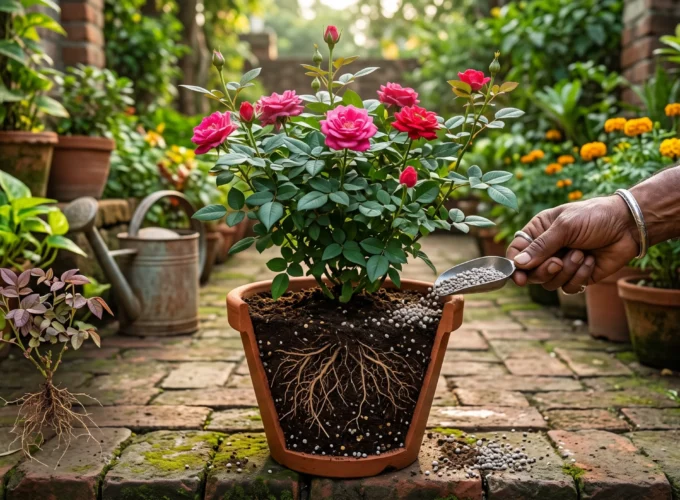
Ideal ratio:
- 60% base (coco peat or soil)
- 20% perlite
- 20% compost or nutrients
For succulents:
- Increase perlite for better drainage
For moisture-loving plants:
- Reduce perlite slightly
Balance is key—too much perlite can dry out plants faster.
What Makes Perlite Better Than Sand or Gravel?
Some gardeners use sand or gravel for drainage, but perlite works differently.
Why perlite is better:
- Much lighter
- Holds some moisture while draining excess
- Improves aeration more effectively
- Doesn’t compact over time
This makes it more suitable for indoor and container gardening.
Does Perlite Help Plants Grow Faster?
Yes—but indirectly.
Perlite doesn’t feed plants, but it:
- Helps roots breathe better
- Prevents waterlogging
- Encourages stronger root systems
Healthy roots = faster, healthier plant growth.
Is Perlite Safe for Plants and Indoor Use?
A very common concern.
Perlite is:
- Non-toxic
- pH neutral
- Safe for plants
One thing to note:
It can produce dust when dry, so:
- Slightly moisten before use
- Avoid inhaling dust
Once in the soil, it’s completely safe.
How to Use Perlite Potting Soil for Best Results?
Using perlite correctly is simple but important.
Step-by-step:
- Choose your base mix (soil or coco peat)
- Add perlite in the right ratio
- Mix evenly
- Fill your pot
- Plant and water
Pro tip:
Always use pots with drainage holes—even with perlite.
Why Is My Soil Still Not Draining Even After Adding Perlite?
If you’ve asked this, here are possible reasons:
- Too little perlite was used
- Poor quality base soil
- No drainage holes in the pot
- Overwatering
Perlite helps—but it works best when the entire setup is correct.
What Are the Common Mistakes When Using Perlite?
Even though it’s easy to use, small mistakes can affect results.
Avoid these:
- Using too much perlite (dries soil too quickly)
- Using it without nutrients
- Not mixing it properly
- Ignoring plant-specific needs
Getting the ratio right makes all the difference.
How to Choose Good Quality Perlite Online?
If you’re searching “best perlite for plants online”, here’s what to check:
Texture:
- Should be lightweight and evenly sized
Cleanliness:
- Free from excess dust
Packaging:
- Properly sealed
Low-quality perlite can reduce effectiveness, so choosing the right source matters.
With well-processed options available through Shridhara Greens, selecting the right perlite becomes easier and more reliable for consistent plant growth.
Is Perlite Necessary for Indoor Gardening?
Not mandatory—but highly recommended.
Without perlite:
- Soil may become compact
- Roots may suffocate
- Water drainage may suffer
With perlite:
- Soil stays light and airy
- Roots grow healthier
- Plants become easier to manage
That’s why it’s widely used in modern indoor gardening setups.
The Real Secret Behind Healthier Soil Isn’t Soil
Most plant problems don’t start above the surface—they start at the roots.
Perlite might look like a small addition, but it plays a big role in:
- Root health
- Water balance
- Overall plant growth
Once you start using the right mix with perlite, you’ll notice:
- Better drainage
- Stronger roots
- Healthier plants
Instead of focusing only on watering or fertilizers, improving your soil structure is what truly changes the game.
With thoughtfully prepared growing solutions available through Shridhara Greens, building that ideal environment becomes simple—even if you’re just starting.
👉 Because when roots can breathe, plants can truly thrive.